The Risks of Trump’s Capture of the Economy


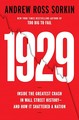
Dans son nouveau livre sur le krach boursier de 1929, le journaliste Andrew Ross Sorkin raconte une scène d’une journée d’été de cette année-là à Manhattan. La salle à manger de l’hôtel Plaza a attiré l’attention, écrit-il, lorsque des personnalités de Wall Street et du monde des affaires sont venues déjeuner samedi. La présence d’une telle foule n’aurait peut-être pas fait sensation à un autre moment historique, mais ce n’était pas une époque typique. La nation était entichée du marché, qui déversait sa richesse sur les investisseurs, petits et grands.
Plusieurs de ces noms audacieux, y compris les dirigeants estimés des grandes banques, avaient l’habitude d’unir leurs forces dans des stratagèmes de manipulation du marché qui n’étaient pas un secret bien gardé. Ensemble, les principaux acteurs formaient un pool et enchérissaient sur un titre par le biais de « transactions fictives » les uns avec les autres, créant l’apparence d’une forte demande, avant de tous vendre, faisant exploser le prix et dévastant les dupes qui avaient suivi leur exemple.
On pourrait penser que certains de ces hommes auraient subi des conséquences, ou du moins auraient vécu dans la peur d’être exposés, même si leur conduite était techniquement légale à l’époque. Mais ils étaient bien connectés. L’un d’eux, John J. Raskob, était président du Comité national démocrate et un important donateur politique ; son plus grand bénéficiaire, l’ancien gouverneur de New York et candidat à la présidentielle, Al Smith, dînait avec lui ce jour-là. Un autre, William Durant, avait rencontré secrètement le président Herbert Hoover plus tôt dans l’année, pour s’appuyer sur lui pour empêcher la Réserve fédérale de freiner les excès de Wall Street.
Par Andrew Ross Sorkin
Dans son livre 1929 : À l’intérieur du plus grand krach de l’histoire de Wall Street et comment il a brisé une nation, Sorkin fait référence à des « parallèles remarquables » entre la période qui a précédé cette crise et le climat politique et économique actuel, mais il ne développe pas cette notion ; son récit est essentiellement une simple histoire, écrite dans un registre journalistique. Pourtant, certains parallèles révélateurs émergent de sous la surface, et ils ne reflètent pas bien notre cheminement actuel. En plus de l’avidité et de l’orgueil « cette fois-ci, c’est différent » qui précède chaque chute boursière, l’effondrement de 1929 a été alimenté, me semble-t-il, par une force plus insidieuse et omniprésente qui est en fait partout visible aujourd’hui.
Les années 1920 ont été, comme le montre Sorkin, une époque dans laquelle Wall Street a largement obtenu gain de cause et Washington a gardé le silence, un précurseur des réductions d’impôts et des reculs réglementaires du président Donald Trump. Il est plus intéressant d’examiner, à la lumière d’aujourd’hui, comment l’environnement devenu si dangereusement amical envers Wall Street dans les années 20 – et comment cela est resté ainsi même lorsque des signaux d’alarme ont commencé à apparaître. L’élément clé, selon moi, était le phénomène connu dans les cercles réglementaires sous le nom de « capture » : Wall Street et le Big Business ont réussi à coopter les autres centres de pouvoir de la société. Ceux qui avaient de l’influence dans divers domaines se sont regroupés en un seul cercle et sont devenus la proie d’une pensée de groupe qui prévoyait la richesse pour tout le monde, sans conséquences. Les organismes de régulation, l’appareil politique et judiciaire, la presse – presque tous les mécanismes de correction de notre système étaient soit affaiblis, soit tellement alignés sur les optimistes et les riches qu’il ne leur est pas venu à l’esprit d’utiliser les muscles qu’ils avaient encore.
Certains critiques ont certes sonné l’alarme, notamment le sénateur Carter Glass, mais l’élite bancaire et ses amis bien placés pouvaient ignorer les sceptiques, qui se laisseraient emporter par le courant dominant. (Ce n’est qu’après que tout s’est effondré que le sénateur a pu maîtriser les banques grâce à la loi Glass-Steagall.)
Les financiers ont organisé des offensives de presse et ont enrôlé les meilleurs journalistes comme alliés, leur proposant des emplois lucratifs ou des pots-de-vin purs et simples. Les titans du secteur privé ont assumé des rôles quasi gouvernementaux – par exemple, conseiller le président et négocier des accords avec d’autres pays – ou sont devenus de véritables fonctionnaires fédéraux. L’investisseur et industriel Andrew Mellon a connu un long mandat en tant que secrétaire au Trésor – un précurseur des personnes nommées par Trump au Trésor, Steven Mnuchin et Scott Bessent, tous deux recrutés directement à Wall Street. La plaisanterie à propos de l’influence de Mellon, nous dit Sorkin, était que trois présidents américains ont servi sous ses ordres.
Ce genre de croisement rappelle Elon Musk, qui, comme le président de JP Morgan Thomas Lamont et d’autres magnats des années 20, est devenu un acteur de la politique publique sans se donner la peine d’être élu ou d’être habilité par le Congrès. Durant la présidence de Joe Biden, Musk a pris la décision de fournir à l’Ukraine et à ses troupes un accès crucial à son service Internet par satellite, Starlink. Après avoir soutenu Trump avec son influence considérable lors du cycle électoral de 2024, il s’est fait demander par le président de sabrer la bureaucratie fédérale par le biais du DOGE, dans un exemple assez flagrant de capture politique. Le fait que Musk et ses entreprises géantes allaient bénéficier de coupes sévères dans l’État régulateur n’est pas passé inaperçu (la sénatrice Elizabeth Warren, critique comme Carter Glass, a publié un rapport sur le sujet), mais la résistance a eu peu d’effet.
Aucun personnage des années 1920 ne rappelle autant Musk que Raskob, le président du DNC, dont l’ascension vers une grande influence a joué un rôle central dans le krach. Raskob était un dirigeant du secteur automobile qui a eu 13 enfants et est devenu un entrepreneur extrêmement ambitieux. Il pouvait faire bouger le marché avec un commentaire désinvolte sur General Motors, dont il était directeur, de la même manière que Musk avait tweeté sur la privatisation de Tesla et avait vu ses actions grimper rapidement de plus de 20 dollars par action ; la transaction n’a jamais eu lieu. Raskob a fait son propre saut dans la mêlée politique en finançant Smith et en utilisant le DNC pour régler ses comptes – avec l’aide d’une presse docile.
Musk n’a pas coopté les médias d’information dans la même mesure que Raskob et ses semblables dans les années 20 ; Les journalistes à l’origine de la couverture généralement ensoleillée de l’époque étaient largement considérés comme étant en cause, écrit Sorkin, et J. Pierpont Morgan « était connu pour avoir d’innombrables journalistes dans sa poche ». Aujourd’hui, bon nombre des organes de presse traditionnels ne sont pas tant corrompus que pauvres et faibles, et leurs propriétaires se sont montrés prêts à céder si suffisamment de force est appliquée. Tout en vilipendant la presse, Trump a habilement exploité les podcasteurs et les streamers, et Musk a pu littéralement s’emparer de Twitter – en rachetant l’entreprise – et façonner ainsi secrètement l’actualité et l’opinion qui atteignent les masses. Pendant ce temps, les meilleurs médias historiques sont beaucoup moins influents qu’ils ne l’étaient autrefois. Il est difficile de croire plus longtemps que le prochain New York Fois l’exposé va faire tomber ou même contenir le président. Après tout, il a déjà été inculpé quatre fois, avec l’aide des journalistes, et a ensuite remporté le vote populaire.
La propre histoire de Trump représente la capture ultime. Dans son administration, les intérêts du Big Money et le pouvoir politique sont effectivement fusionnés au sein d’une seule personne : le président lui-même. Il ne prend pas toujours le parti des financiers et des magnats, mais quand il le fait, il devient non seulement leur facilitateur mais aussi leur représentant en matière d’intimidation. Les banquiers n’ont pas besoin de rencontrer Trump en secret pour faire pression sur lui afin de neutraliser l’État régulateur ; il le fera lui-même. Il a attaqué sans relâche le Conseil de la Réserve fédérale, prétendument indépendant, s’est efforcé d’affaiblir la loi Dodd-Frank et le Bureau de protection financière des consommateurs, et a licencié le commissaire du Bureau of Labor Statistics après que l’agence a publié un rapport inquiétant sur l’emploi. Son administration a également conclu des accords qui lui confèrent une participation dans des sociétés telles qu’Intel, Nvidia et US Steel, brouillant encore davantage la frontière entre les secteurs public et privé.
Juste avant la deuxième investiture de Trump, il a émis sa propre pièce de monnaie Trump, qui n’a surpris personne en explosant immédiatement en valeur, bénéficiant directement à sa famille. Il est ainsi devenu un entrepreneur majeur en matière de crypto-monnaie quelques jours avant de prendre ses fonctions et de lancer une série d’initiatives favorables à la crypto-monnaie, faisant plaisir à une industrie qui avait largement contribué à sa campagne. La Securities and Exchange Commission de Trump a rapidement suspendu le dossier contre le crypto-milliardaire Justin Sun. (La poursuite accuse Sun, entre autres choses, d’avoir créé un pool d’échanges de lavage, dans un écho aux années 20.) Des mois plus tard, Sun, l’un des principaux investisseurs dans le mème Trump, a assisté à un dîner avec le président sur l’un de ses terrains de golf.
La clémence de Trump envers les personnalités douteuses en col blanc s’étend également bien au-delà du domaine de la cryptographie. Le président a accordé sa grâce au fraudeur Carlos Watson d’Ozy Media, lui épargnant ainsi une peine de 10 ans de prison ; commué les peines de Jason Galanis et de George Santos après avoir gagné ses faveurs ; et a gracié l’ancien PDG de Nikola, Trevor Milton, qui a été reconnu coupable d’avoir arnaqué ses investisseurs. Trump s’est expliqué en disant à propos de Milton : « Il a soutenu Trump ».
De telles mesures portent atteinte à l’intégrité du système financier dans son ensemble. Mais le danger de la capture ne réside pas seulement dans le fait qu’elle puisse conduire à une récession, voire à une dépression. Le danger est aussi moral. La capture peut radicalement modifier la conception qu’a une société de ce qui est considéré comme acceptable. Rétrospectivement, il semble inconcevable que les courtiers, pendant le boom des années 20, aient permis à leurs clients d’acheter des actions avec de l’argent emprunté et avec une mise de fonds de seulement 10 % ; si le cours d’une action baisse de seulement 10 pour cent dans ce scénario, le trader est anéanti. Les banquiers les plus éminents du pays n’ont pas hésité à défendre cette pratique en arguant que si le citoyen ordinaire peut acheter un réfrigérateur à crédit, pourquoi pas un stock ? La comparaison est absurde, mais le point important est que cela n’était pas forcément le cas à l’époque. L’idée d’une collusion entre les principaux financiers pour soutenir le prix de certaines actions n’a pas non plus été prise en compte.
Nous sommes désormais confrontés à une situation dans laquelle le président Trump définit une politique pro-crypto tandis que ses entreprises familiales en récoltent les fruits ; le président licencie les fonctionnaires qui apportent de mauvaises nouvelles ; et les escrocs reconnus coupables sont graciés sans même une justification fallacieuse. Les opposants ont intenté un certain nombre de poursuites contre l’administration Trump, et certaines d’entre elles ont trouvé du terrain (une cour d’appel fédérale a bloqué pour l’instant l’ordre de Trump de limoger la gouverneure de la Réserve fédérale, Lisa Cook). Mais la Cour suprême s’est largement rangée du côté de Trump lors de son deuxième mandat, les grâces sont irrévocables et le volume même des attaques contre notre système financier semble garantir que nombre d’entre elles l’emporteront ou, pire encore, seront ignorées ou acceptées. Contrairement à 1929, où la capture n’était pas un phénomène très médiatisé, l’ignorance est une excuse encore moins plausible. Les partis prêts à contrôler le pouvoir de l’État sur notre économie sont bien conscients des arnaques et de la corruption, mais ils semblent avoir perdu la capacité d’agir.
Le terme aléa moral est entré dans le lexique populaire lors de la crise financière mondiale de 2008, dont Sorkin a fait la chronique dans son livre à succès. Trop gros pour échouerpour expliquer la crainte largement répandue que le sauvetage des banques créerait un précédent dommageable en les sauvant des conséquences de leurs propres actions. En 2025, il y a un retournement de situation : le risque moral est évident comme un jour avant même que des conséquences à grande échelle ne se produisent. Ce qui était autrefois inadmissible est peu à peu devenu accepté. En ce sens, l’effondrement a déjà commencé.
Lorsque vous achetez un livre en utilisant un lien sur cette page, nous recevons une commission. Merci de soutenir L’Atlantique.


