These Photos Show 4 Years of iPhone Camera Progress, but Can You Tell?


You probably don’t upgrade your iPhone every year, or even every two years. But when you upgrade from a four-year-old device to the latest and greatest, it’s natural to expect big improvements in some departments.
I recently upgraded from an iPhone 13 Pro to a 17 Pro, and one area I was hoping for positive changes was the camera system. So I went to compare the two, and now it’s time to play a quick game to spot the difference.
-
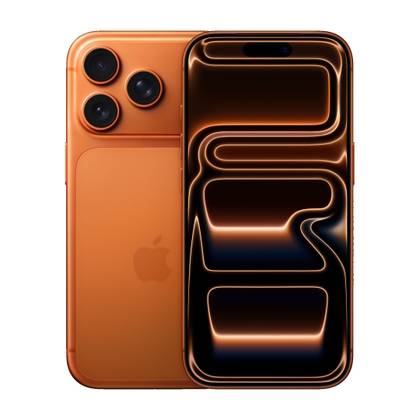
- SoC
-
A19 Pro chip
- Display
-
6.3 inches
The Apple iPhone 17 Pro is the company’s most powerful smartphone yet, offering impressive cameras and the A19 Pro chip. It lets you do practically everything, including shooting quality videos.
-
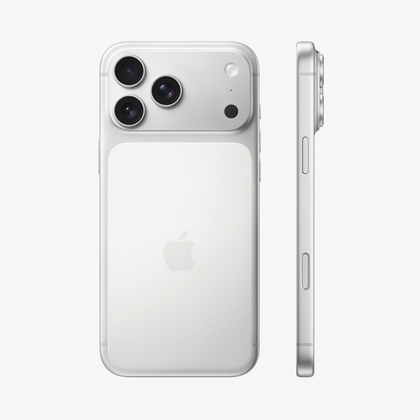
- SoC
-
A19 Pro chip
- Display
-
6.9 inches
The iPhone 17 Pro Max features many of the same specs as the iPhone 17 Pro, but you get a larger screen and up to 2TB of storage.


Comparison of iPhone 13 Pro and iPhone 17 Pro
We’ll get back to some comparison photos soon, but first I’d like to take a moment to acknowledge that the experience of taking photos on 2021’s iPhone 13 Pro and this year’s iPhone 17 Pro is noticeably different. Aside from the differences in quality and focal lengths, the most striking difference is the brightness of the iPhone 17 Pro’s screen.
I took most of the images below on a beautiful spring day, and it was so bright that I wore sunglasses while doing so. While I could barely see the iPhone 13 Pro’s screen, the iPhone 17 Pro was so bright that I forgot I wasn’t wearing my normal, untinted glasses. It’s a plot it’s easier to see what you’re shooting on the latest model.
I also noticed that the iPhone 17 Pro felt noticeably warmer to the touch after my photo shoot. Both models came in cases where the camera bump was exposed, but the iPhone 13 Pro didn’t seem to heat up at all. In comparison, the 17 Pro felt warm in my pocket. For me, this is not an example of the iPhone 17 Pro generator more heat, but more efficiently disperse this heat via Apple’s vapor chamber and aluminum unibody display.

Finally, using the Camera Control button to take photos is a nice bonus. The Apple TechWoven case I’m using has a built-in capacitive cover that makes it easy to press the button, and not having to wake up the screen and tap the on-screen camera shortcut seems like a big step forward when it comes to quickly capturing the moment.
This is to say that four years of development have been beneficial to the overall experience of photography on iPhone. The 17 Pro’s battery life is also much improved, and Apple has doubled the base storage to 256GB. These are two other improvements that avid photographers will likely appreciate.
In the images below, the iPhone 13 Pro image appears on the left and the iPhone 17 Pro image appears on the right. Images were taken with the iOS Camera app with default (recommended) settings.
While I could have increased the iPhone 17 Pro’s resolution to its maximum (which would result in more detailed images and larger file sizes, and something the Camera app resets every time you close it), it didn’t seem representative of how most people will use these devices.
Regular comparison of “broad” objectives
The iPhone 13 Pro’s wide camera holds up surprisingly well, although a few cracks start to appear in certain situations. Overall, it can be difficult to tell the two cameras apart:
Look a little closer, and it’s clear that the iPhone 17 Pro has the edge in sharpness, but it’s not exactly night and day:
Perhaps the most glaring difference is that the 17 Pro is able to pick out more shadow detail (although this isn’t always desirable):
One of the issues the iPhone 13 Pro struggles with is softness in the corners of the image and the presence of light leaks that don’t exist in comparable iPhone 17 Pro photos:
Ultra-wide lens comparison
The iPhone 17 Pro has a significant improvement over the 13 Pro in terms of ultrawide performance. There’s so much more detail in the iPhone 17 Pro images, as you can see on the motorcycle seat in the image below:
This also results in more natural-looking photos, where objects in the image appear closer to their real-life counterparts thanks to the higher sensor resolution. The tree bark here looks very processed on the iPhone 13 Pro, while the iPhone 17 Pro photo looks much more natural:
Once again, light leaks proved to be an issue for the iPhone 13 Pro. This is perhaps one of the most significant improvements Apple has made to the iPhone camera, resulting in less washed out photos:
Telephoto lenses comparison
Although some images look surprisingly similar, the iPhone 13 Pro’s Achilles heel has always been its telephoto lens (3x). It’s hard to compare them perfectly, since the newer model has a 4x and 8x option, but I did my best:
When you look a little closer, it’s clear that the 17 Pro captures more detail and has less of an “interpolated” look. Just look at the chimneys and roof in the image below:
I also noticed that the 17 Pro seems to have a warmer tone, while my 13 Pro has a slight green shift:
One thing is certain, the maximum zoom distance of 8x on the iPhone 17 Pro is a game-changer and should provide many more opportunities on the go:
Macro photo comparison
I admit that I tended to shy away from macro mode on my iPhone 13 Pro. Being limited to ultra-wide, telephoto can often be the better choice. At first glance, the 13 Pro holds up surprisingly well here:
One thing to note is that the iPhone 17 Pro captures these images with a shallow depth of field effect, which helps make the macro effect more pronounced:
When you look at the pixel level, you can see slightly better details preserved in the iPhone 17 Pro, although they are close:
Night mode comparison
Improvements in low-light processing are largely due to improvements in computational photography. In moderately lit street scenes, like the one below, the differences are pretty minimal:
But in more difficult scenarios, the iPhone 17 Pro is simply capable of getting more detail, as is the case with the sleeping cat’s fur below (this was a very dark photo, with an almost black subject, making it very difficult for both devices to capture):
There’s also more going on under the hood in terms of color reproduction. The photo below was lit almost entirely by a yellow-green ambient light in the corner of the room, and the iPhone 17 Pro did a “better” job of replicating the green hue while resolving more detail in the wood grain:
Unsurprisingly, four years of iPhone camera development means better photos. That said, the difference in quality I saw between the iPhone X and iPhone 13 Pro (another four-year gap) was much more noticeable.
Aside from the technical specifications, the photography experience has improved significantly, from the brighter screen to the improved quality and better controls. But it’s also clear that smartphone cameras have been “good enough” for a while now, and so I’m already tempering my expectations for when it’s time to upgrade to the iPhone 21 (or whatever we’ll call it) in four years.
If you really want to take better photos, you may need to invest in a “real” camera instead.


