This deadly dog ‘spaghetti’ has ancient origins


Every year, millions of dogs come face to face with a potentially deadly parasite coiled in one of their vital organs: the heartworm. This spaghetti-like parasite can be fatal if left untreated.
New research into the widespread canine parasite suggests that heartworm has a deeper, more complex history than scientists previously thought and that some may have originated in Australian dingoes. The results are detailed in a study published today in the journal Communication biology.
Heartworm disease is caused by the parasite Dirofilaria immitis. It is transmitted to dogs by mosquitoes and can be fatal. Adult worms live in the blood vessels of the heart and lungs and can be up to 30 centimeters long. Dog owners and veterinarians often report that worms can feel like a strand of spaghetti in the heart.
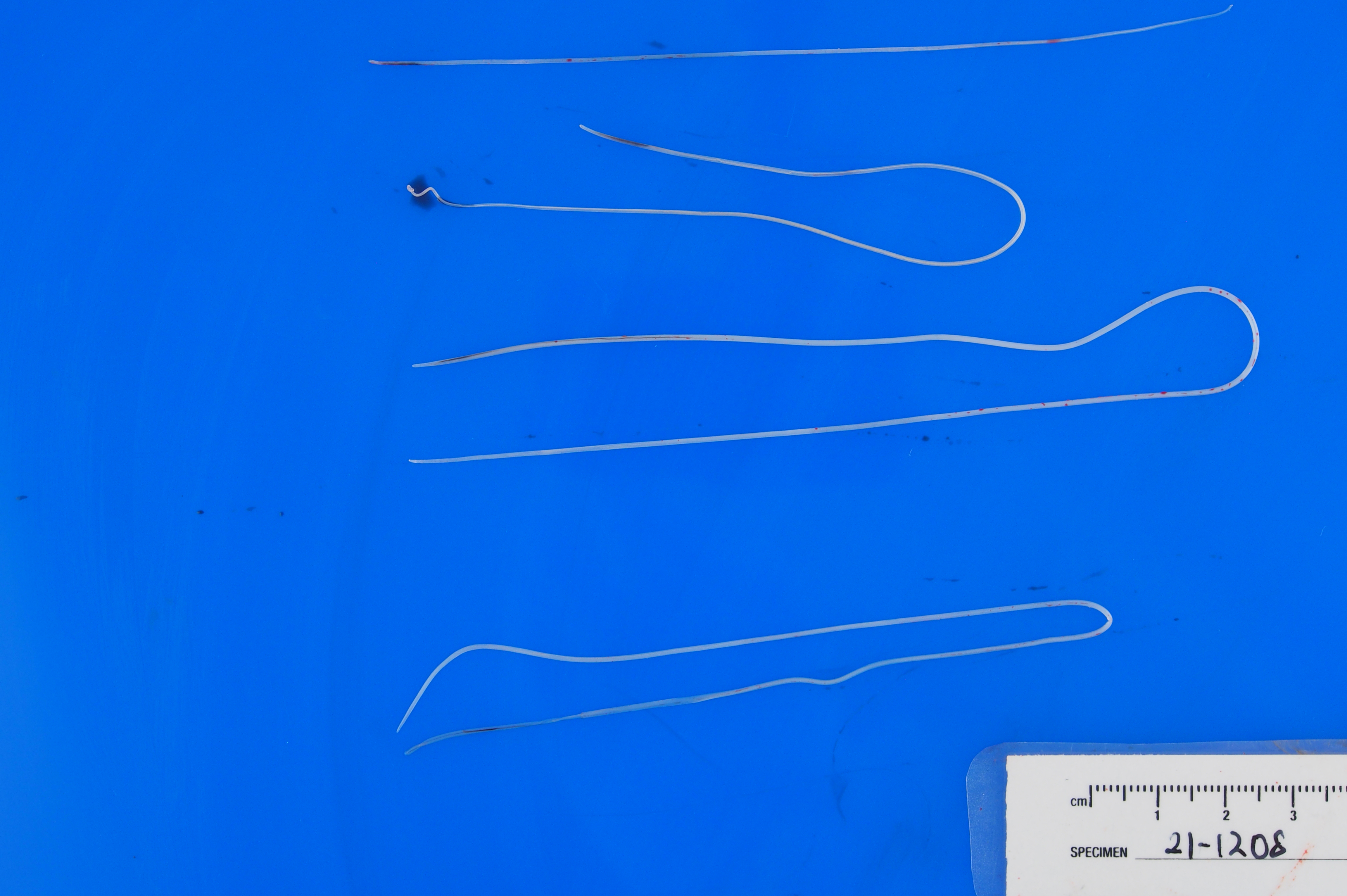
In the new study, an international team of researchers examined more than 100 heartworm genomes collected from pet dogs and wild canines from around the world. They used whole genome sequencing to compare heartworms found in different regions, which helped them reconstruct population histories and track how the parasites diverged over time. They then identified distinct regional populations of heartworms that were shaped by how and when ancient canids moved across the land during ice ages.
They discovered that ancient canid hosts, such as wolves and dingoes, played a central role in the distribution of heartworms across the world for thousands of years.
“For decades, we assumed that heartworms spread primarily through recent human activities,” Dr. Rosemonde Power, study co-author and paleogeneticist from Stockholm University, said in a statement. “What we see instead is evidence of deep coevolution between heartworms and their canine hosts, even before humans were part of the picture.”
One of the most interesting findings of the study concerns Australia. Genetic signatures of Australian heartworms suggest they may share ancestry with parasites found in Asia. According to the team, this raises the possibility that heartworm arrived in Australia with the continent’s first dingoes. Wild canids are believed to have migrated from Asia thousands of years ago.
However, the team cautions that the evidence is not conclusive. Heartown may also have been introduced to Australia more recently, following European settlement.
“While our data suggests an ancient link between Australian and Asian heartworms, the sample size means we need to be careful before drawing firm conclusions,” said study co-author and University of Sydney veterinarian Jan Slapeta. “What we can say with certainty is that heartworm evolution is much older and more complex than a simple story of parasites hitchhiking with modern dogs.”

Although thousands of years separate them, understanding how these ancient parasites evolved has implications for animals living today. As with antibiotics, resistance to common heartworm treatments and prevention methods is increasing.
“Understanding where heartworms come from and how different populations are related helps us respond more effectively to disease and drug resistance,” Slapeta added. “Heartworms are not the same everywhere and local history matters.”
In future studies, more sampling, particularly in more underrepresented regions, could help better understand the parasite, including the mystery of the Australian heartworm’s origin.

The best new PopSci 2025 releases