Tiny wild cat spotted in Thailand for first time in 30 years


In Thailand, camera traps have captured adorable passers-by, significantly impacting the country’s conservation efforts. Although these furry creatures look like your average domestic cat, they are actually flat-headed wild cats (Prionailurus planiceps). These extremely rare wild felines weigh less than half of an average pet cat and were detected in Thailand for the first time since 1995.
The happy news was confirmed by an investigation by Thailand’s Department of National Parks, Wildlife and Plant Conservation, and Panthera Thailand, a global wild cat conservation organization, according to a statement emailed to Popular science.

A flat-headed cat filmed
“Even species thought to be extinct can be rebuilt if we invest in protecting the habitats they depend on,” said Wai Ming Wong, scientific director of Panthera small cat conservation. “The persistence of flat-headed cats in Thailand suggests that these ecosystems still harbor remarkable biodiversity, but also highlights how urgently we need to conserve and restore them before they disappear completely.”
Flat-headed cats get their name from their distinctive flat forehead and elongated skull. It is the smallest wildcat in Southeast Asia and has a short body, slender legs, webbed toes and a short tail. They are also difficult to study. In addition to their limited population, they are small, nocturnal and prefer environments that are difficult to access: tropical rainforests, swamp and peat forests, marshes, lakes, streams and riparian forests.
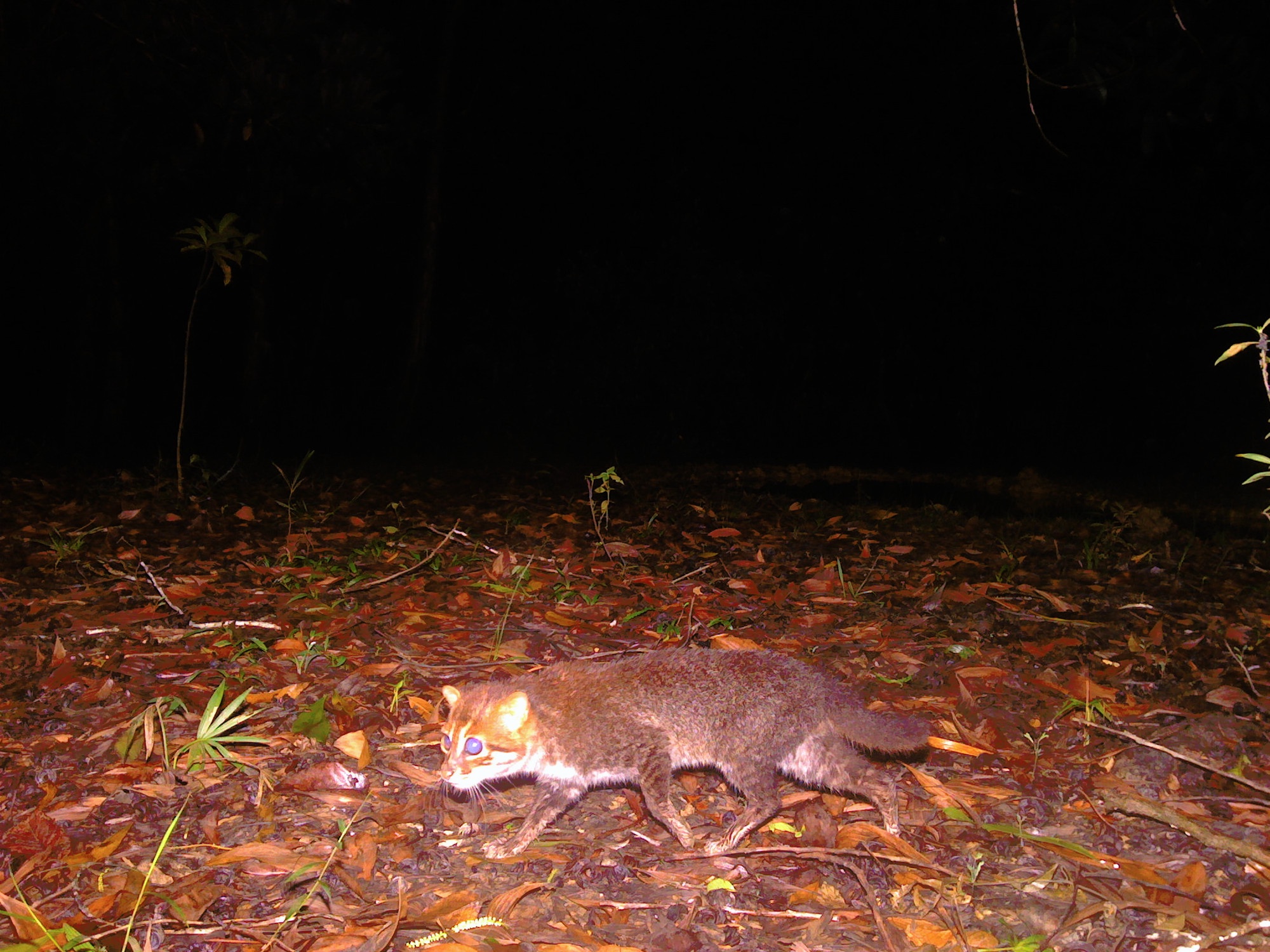
Researchers believe they are close relatives of leopard cats and fishing cats, and estimate their total population size at 2,500 adults. Flat-headed cats are one of the most endangered wild cats: the International Union for Conservation of Nature (IUCN) lists them as endangered and “possibly extinct” in Thailand.
Nonetheless, remote camera trap images confirmed the wildcat’s reappearance. The traps have detected 13 detections in 2024 and 16 in the Princess Sirindhorn Wildlife Reserve in southern Thailand in 2025, in the largest study of the species. Notably, a mother and her calf were also spotted, checking the active breeding of the species in the area. This is an important finding, because flathead cat mothers typically only have one kitten at a time.
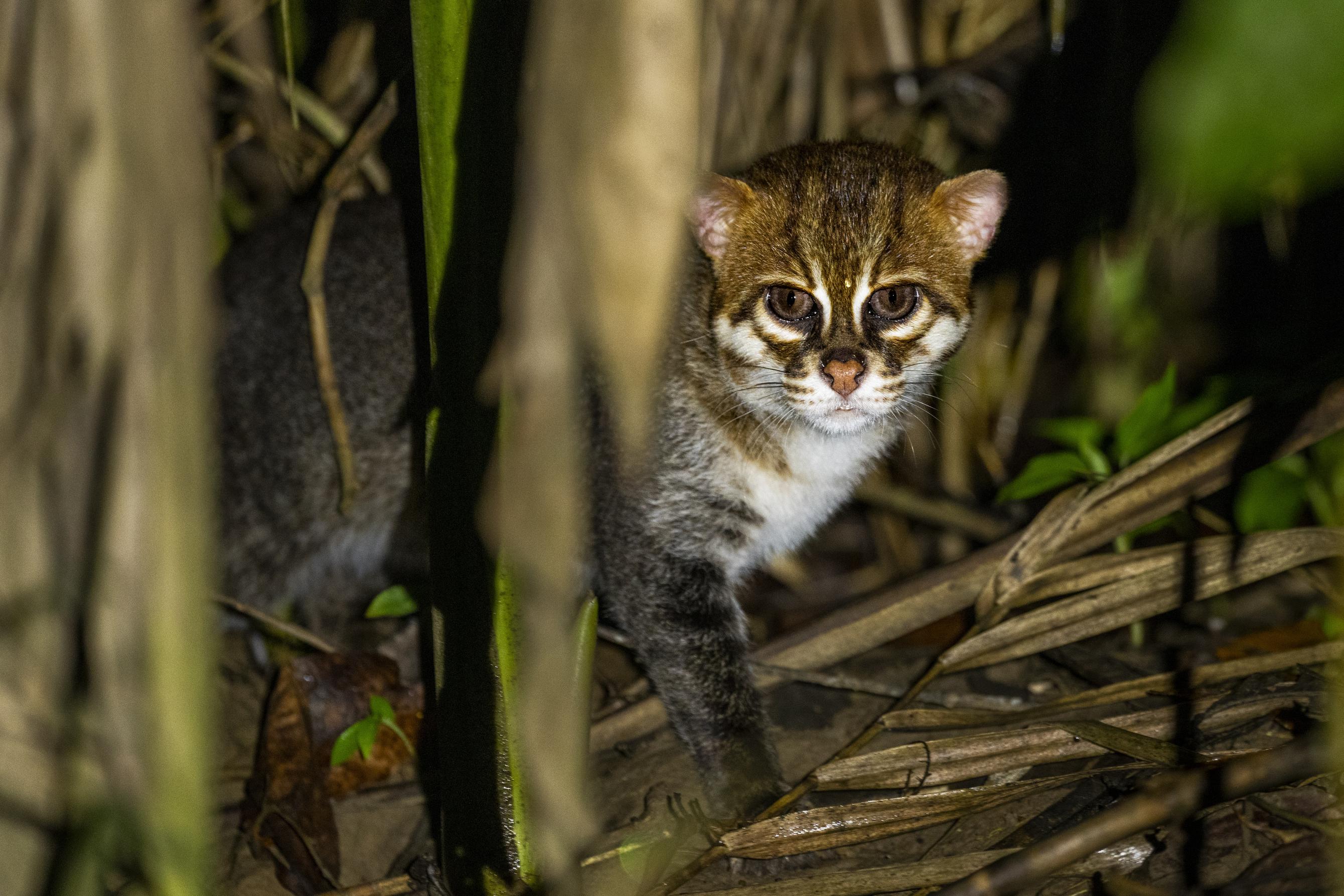
The flat-headed cat is currently threatened by human-caused habitat loss due to land conversion, fishing, agricultural encroachment, hunting, waterway pollution, and disease transmission from domestic animals. Competition for space further narrows its range, limiting the wildcat to mostly remote, untouched environments whose protection is therefore crucial.
“With this new discovery, which we plan to submit to the IUCN Red List Committee, we hope that the status of the species can be updated to something other than ‘Possibly Extinct’,” said Rattapan Pattanarangsan, Panthera Thailand conservation program manager. Popular sciencewhile adding that the Committee may need more data that it does not yet have. “Generating this level of evidence will likely require several years of further study before the status of the species can be fully reassessed.”
The announcement comes in time for National Wildlife Day on December 26. The detection of the flat-headed cat will lay the foundation for the DNP and Panthera Thailand’s conservation plan for the species.

PopSci Outdoor Gift Guide 2025


