Tips for safely enjoying Thanksgiving leftovers


Thanksgiving is a time for family, friends and feasting. Once the festive meal is over, the spotlight turns to enjoying the leftovers from the days to come. To keep these leftovers edible, the U.S. Department of Agriculture provides essential food safety guidance.
How to handle leftovers safely
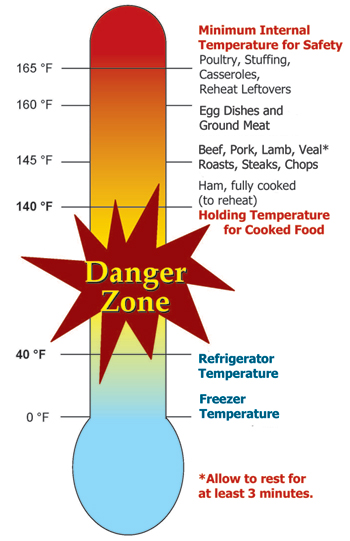
The cardinal rule regarding leftovers is to store them properly within two hours of cooking. Foods left out longer enter the “danger zone” – temperatures between 40 degrees F and 140 degrees F where bacteria multiply quickly. If you are in an environment above 90 degrees F, such as a hot kitchen or car, refrigerate perishable items in as little as an hour.
To speed cooling, divide leftovers into small, shallow containers before refrigerating or freezing. This is especially important for large dishes like turkey, which must be portioned to ensure even cooling. A whole turkey or large container of food may take too long to cool, giving bacteria a chance to grow.
Contrary to popular belief, leftovers do not need to be cooled to room temperature before storing. A USDA study found that 76 percent of participants incorrectly thought they should wait, but this practice can make food unsafe. Leftovers can be placed in the refrigerator or freezer while still warm.
How long are leftovers safe to eat?
Leftovers stored in the refrigerator are safe to eat for three to four days, which means your Thanksgiving meal should be eaten the following Monday. If you want to enjoy leftovers beyond this time, freeze them to preserve their quality. Frozen leftovers are best consumed within two to six months.
The USDA FoodKeeper app can help you track the freshness of your leftovers and remind you when it’s time to eat or freeze them. The app also includes food storage guidelines for over 600 items.
How to Reheat Leftovers Safely
When reheating leftovers, make sure they reach an internal temperature of 165 degrees F (74 degrees C). Use a food thermometer to check the temperature, especially for dense dishes like stews or meats. Cover leftovers while reheating to retain moisture and promote even heating.
If using a microwave, arrange food evenly in a microwave-safe dish and add a little liquid if necessary. Cover the dish with a vented lid or microwave-safe wrap to create steam, which helps kill bacteria. Since microwaves have cold spots, rotate food while heating and check the temperature in several places.
For sauces, soups and gravies, bring them to a boil when reheating. Avoid using slow cookers for leftovers, as they may not heat food quickly enough to kill bacteria.
If you have questions or concerns about Thanksgiving leftovers, food safety experts are available. Contact the USDA Meat and Poultry Hotline at 1-888-MPHotline (1-888-674-6854), email MPHotline@usda.gov, or live chat at Ask.usda.gov from 10 a.m. to 6 p.m. EST, Monday through Friday.
(To sign up for a free subscription to Food Safety News, Click here.)


