Retired doctor discovers new dinosaur species deep in a museum archive


The recovery by a retired doctor of a fossil sample of 125 million years has unexpectedly produced an entirely new species of dinosaur. After a meticulous analysis, it seems that the United Kingdom once housed an Iguanodontian with a distinctly massive fin and similar to a sail along its back. And of course, his discoverer named him from a local sailing hero.
In recent years, the former general practitioner, Dr. Jeremy Lockwood, has combed through the archive fossil troves in the context of his research during the doctorate at the University of Portsmouth and the Natural History Museum in London. While browsing the collection of Dinosaur Island Museum on the island of Wight, Lockwood noticed something particular about one of the two Iguanodontian species known to the island.
“While the skeleton was not as complete as some of the others who were found, no one had really looked at these bones before,” he said in a statement. “He had particularly long neural thorns, which was very unusual.”
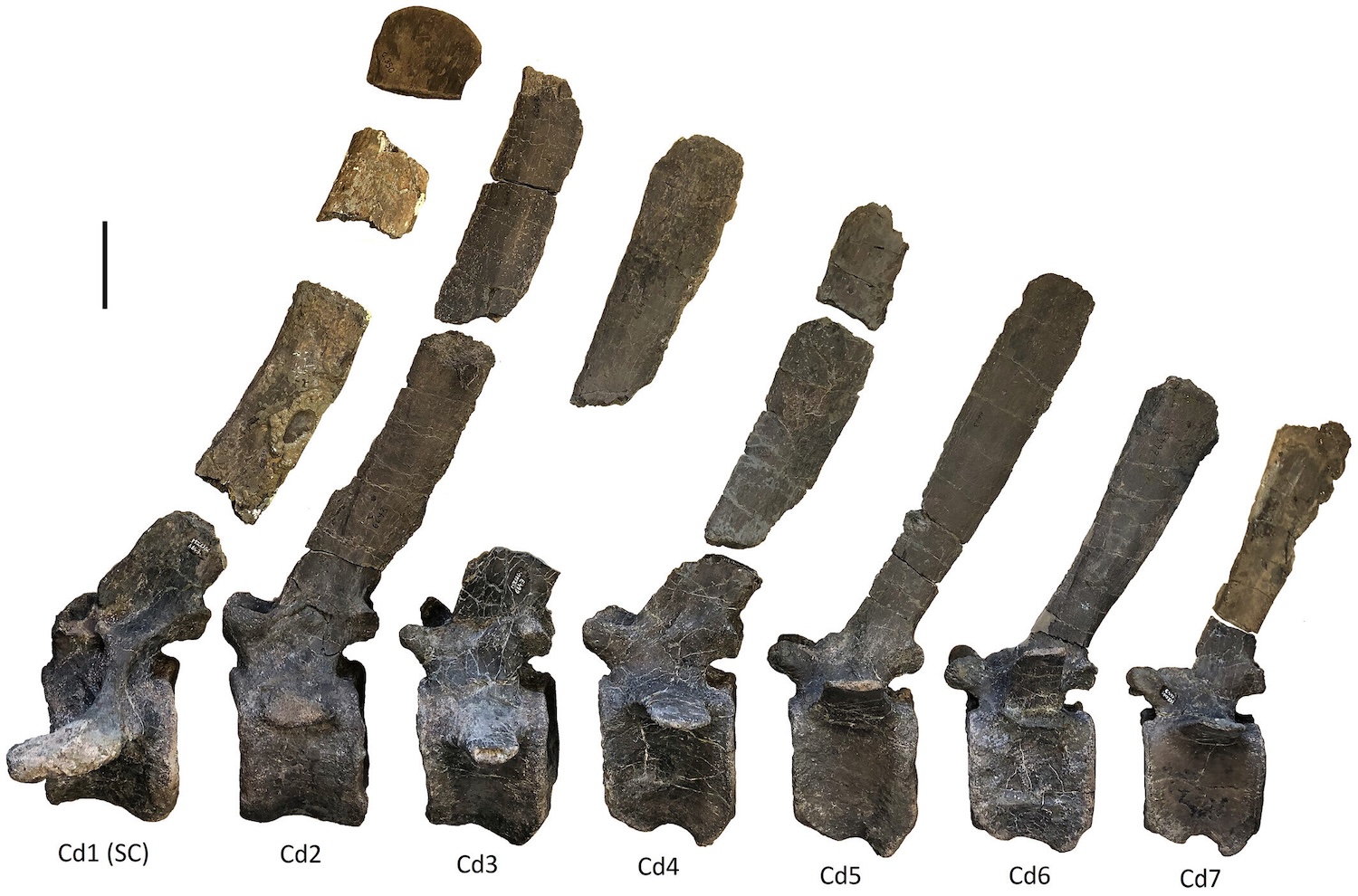
A more in -depth analysis led Lockwood and his colleagues to confirm that the bones belonged to his own species of dinosaur, which they named Istiorachis macArthurae and describe in a study published on August 21 in the journal Paleontology documents. While Istiorachis results in “the veil spine”, macArthurae is designed as a tribute to Dame Ellen MacArthur. Originally from the island of Wright, MacArthur marked history in 2005 when she established the world record for the fastest and constant solo trip in the world – and during her first attempt, however.
Istiorachis seems to have been slightly larger than an adult human, with neural thorns growing up to 10 to 12 inches. Why is it boasting of such a large dorsal accessory remains a little mystery. According to Lockwood, there may be several explanations. Similar to the ostentatious range of the tail’s tail feathers, I. MacArthurae may have shown its rear fin in the context of a sexual display.
“The evolution sometimes seems to promote the extravagant to practice,” said Lockwood. “Although the exact objective of these characteristics has long been debated – with theories ranging from regulation of body heat to fat storage – researchers think that the most likely explanation in this case is visual signaling.”
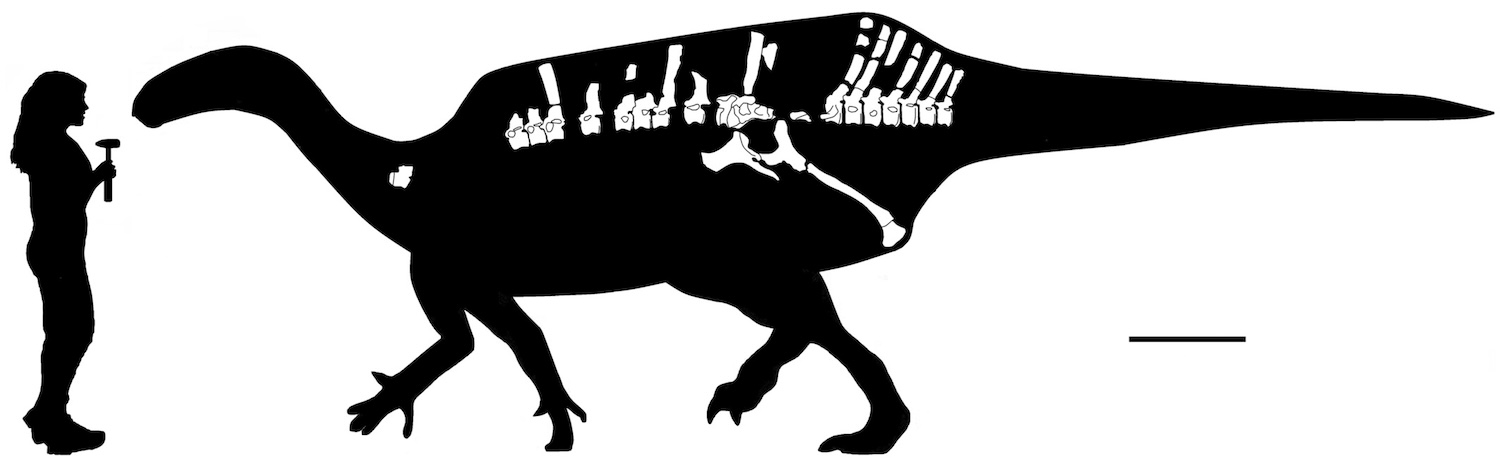
Istiorachis seems to present a broader evolving theme for dinosaurs. Previous studies indicate that the iguanodontians have started to display elongated neuronal thorns at the end of the Jurassic. At the start of the Cretaceous, physical detail had become much more common.
Nor is it the first paleontological discovery of Lockwood.
“Over the past five years, Jeremy has alone quadrupled the known diversity of small Iguanodontians on the island of Wight,” said Susannah Maidment, co-author of the study and the paleontologist of the Natural Museum in the Natural History. “”Istiorachis Demonstrates that we still have a lot to learn about ecosystems at the beginning of the Cretaceous in the United Kingdom. »»

More offers, reviews and purchasing guides


