Cat-sized Jurassic reptile had the jaws of a python


What do you get when you cross a snake with a lizard? The answer is not a punchline. It is a newly discovered creature of the Jurassic period, whose name is a tribute to its confusing physical characteristics. As explained by paleontologists in a study published on October 1 in NatureThe “false snake of Elgol” featured the jaws and the teeth hung with a python, as well as the short body and the truncated legs of a gecko.
The announcement of BREUGNATHAIR ELGOLENSIS is the culmination of almost a decade of work, after a international research team discovered the specimen on the island of Skye fossils. Located off the west coast of Scotland, the island’s fossil deposits extend over millions of years and include ancient branches of the family lizards.
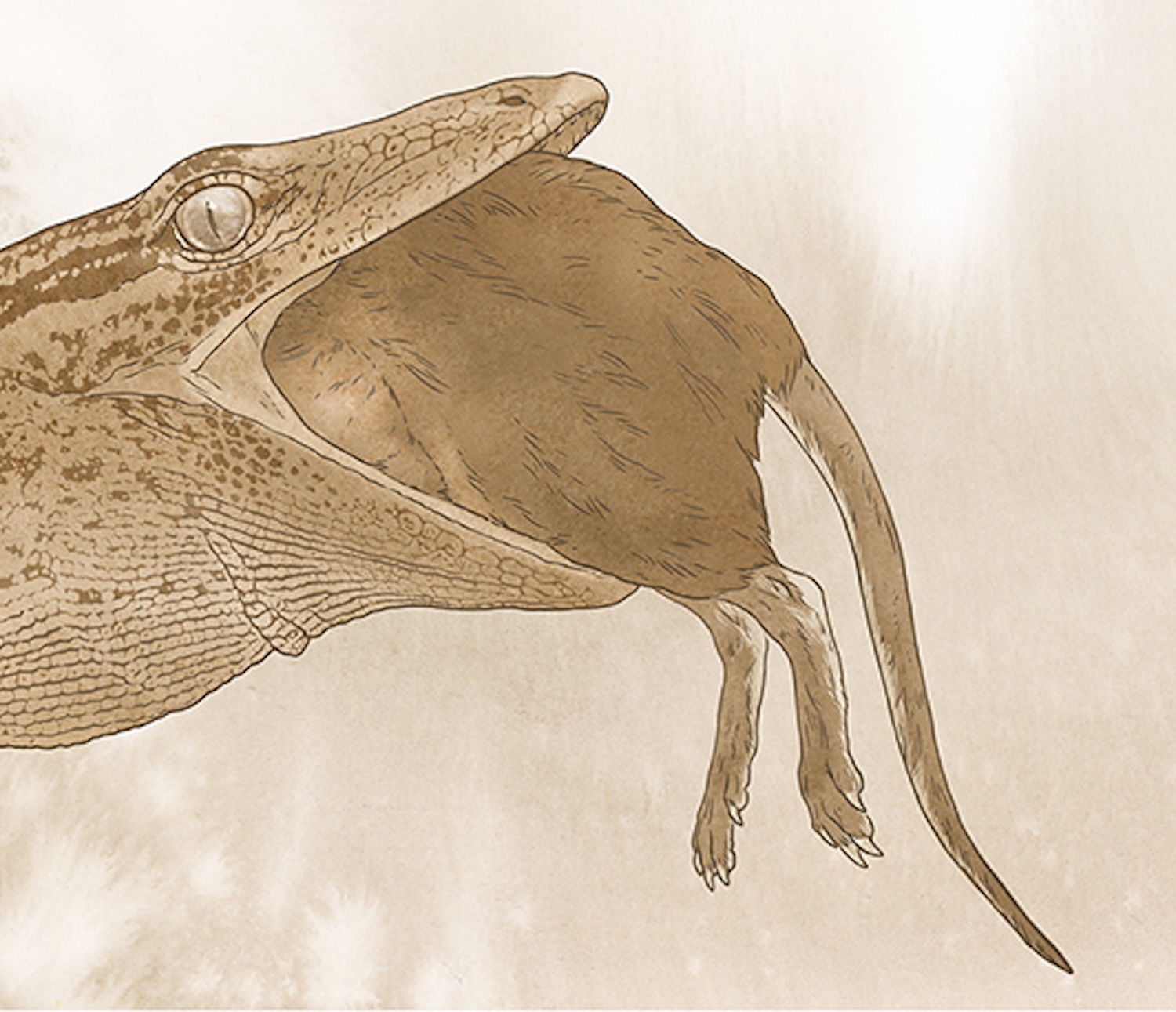
“The fossil deposits of the Jurassic on the island of Skye are of world importance for our understanding of the early evolution of many living groups, including lizards, which began their diversification at that time,” said Susan Evans Susan Evans, the paleontologist of the University of London, said Susan Evans in a press release.
Given the major differences between the bone fragments, Evans and his colleagues initially believed that the remains belonged to two distinct species of squamata – the taxonomic group composed of lizards and snakes. After years of detailed analysis, paleontologists have determined that B. Elgolensis falls into a less known group of predatory squamates called parviraptoridae.
“I described for the first time Parviraptorids about 30 years ago on the basis of more fragmentary equipment, so it’s a bit like finding the top of the puzzle box several years after having perplexed the original image of a handful of rooms,” said Evans.
About 167 million years old, this B. Elgolensis is one of the oldest and most complete reptile fossils ever seen. The creature was about 16 inches long, which is the size of a little cat and one of the greatest lizards in its field. B. Elgolensis It is likely that its curved teeth and the structure of the jaw attack small lizards, mammals and perhaps even to young dinosaurs. But despite these formidable snake features, the co-author of the Roger Benson study of the American Museum of Natural History of New York describes B. Elgolensis as “surprisingly primitive”.
“This could tell us that the ancestors of snake were very different from what we expected, or it could rather be evidence that the serpent-type predatory habits have evolved separately in a primitive and extinguished group,” he added.
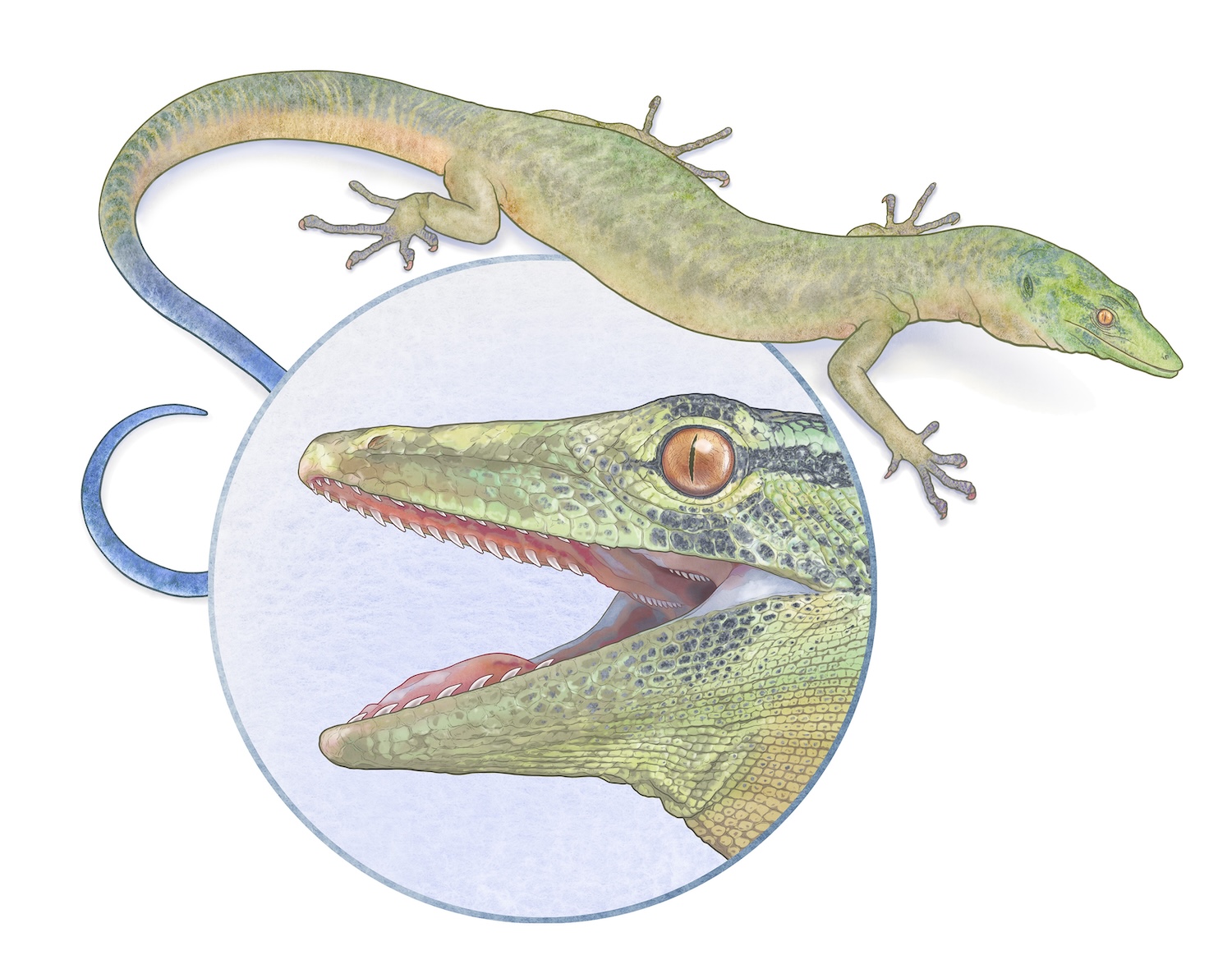
For the moment, these unique characteristics are leaving B. Elgolensis“The evolutionary trajectory a mystery. Early squamates are extremely rare in the fossil file, which makes experts difficult to govern in one way or another. Benson and Evans also theorize that the animal could represent a stem squamate, the predecessors of all snakes and lizards. If it turns out to be true, B. Elgolensis Can have evolved independently of its distinctive jaws and teeth.
“This fossil brings us far enough, but that doesn’t bring us all the way,” said Benson. “However, this makes us even more excited by the possibility of understanding where the snakes come from.”
B. Elgolensis Also shows how disorderly evolution can be and that the path from one species to another is not always as clear.
“The mosaic of primitive and specialized characteristics that we find in the parviraptorides, as shown in this new specimen, is an important reminder that the evolutionary paths can be unpredictable,” added Evans.

More offers, reviews and purchasing guides


