Trump eyes US-backed insurance to curb oil prices amid Iran conflict


NEWYou can now listen to Fox News articles!
The new battleground in the Gulf is not just on the water: it is in the insurance market, where war risk coverage can determine which tankers sail and which stay put.
As the conflict drives up gasoline prices, the White House is considering measures to keep oil flowing through the Strait of Hormuz and prevent prices from climbing further.
The Strait of Hormuz, a narrow passage between Iran and Oman, carries about 20 million barrels of oil per day and about a fifth of the world’s supply of liquefied natural gas. When conflict breaks out in the region, even the threat of disruption can shake markets, because much of the world’s resources energy moves in this one corridor.
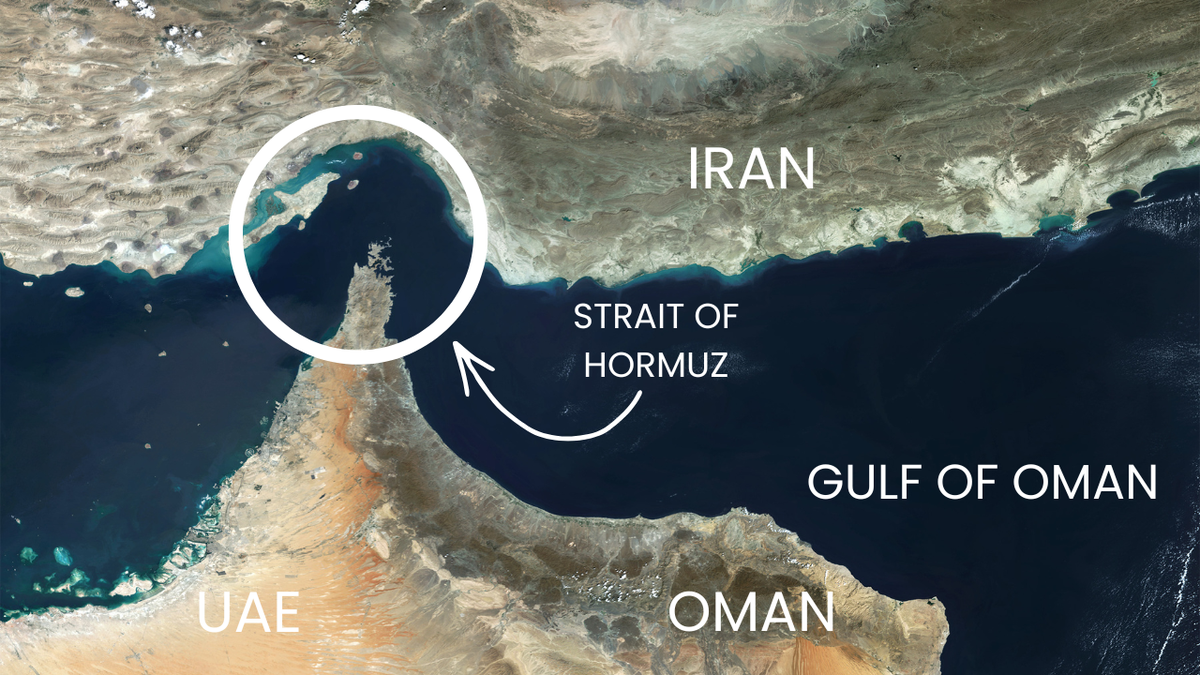
A satellite image shows the Strait of Hormuz, a key maritime passage connecting the Persian Gulf to the Gulf of Oman, vital for global energy supplies. (Amanda Macias/Fox News Digital)
And faced with the scale of the stakes, the White House is turning to an unlikely tool: insurance.
President Donald Trump said the United States could use a government-backed insurance program to reduce war risk premiums for ships in the region. Under a safety net, the government would absorb part of any significant loss, easing pressure on private insurers and shipowners.
Because when the danger increases, the bill increases.
Insurers charge more to cover ships and cargo, shippers add “war risk” surcharges, and some ships slow down, detour, or stop altogether. These delays can tighten supply and drive up crude prices even if oil production has not changed.
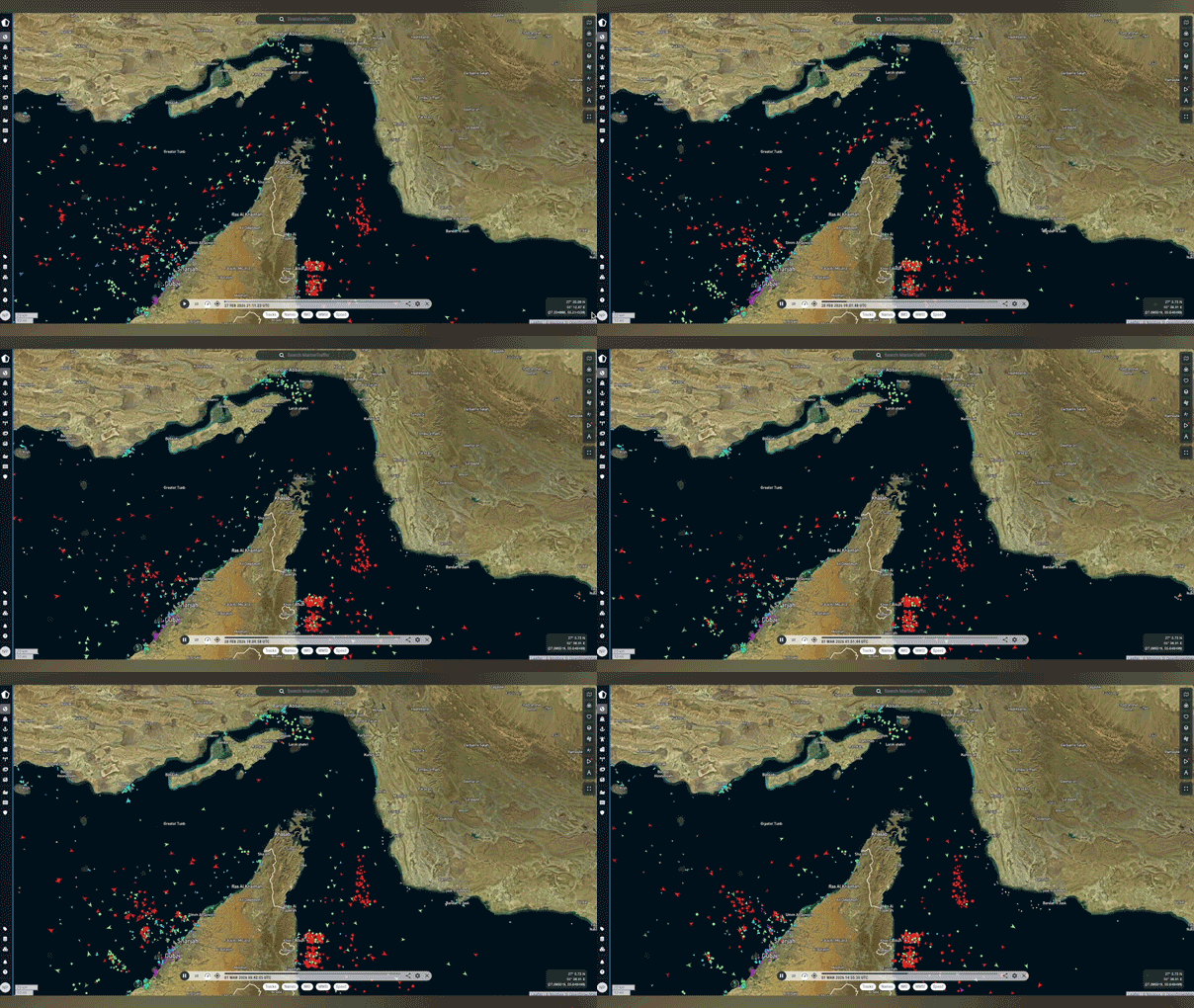
In this context, the latest disturbance, triggered by US-Israeli strikes from February 27 and retaliatory Iranian drone and missile attacks in the region are forcing shippers and insurers to rethink the security of transit through the waterway.
NEW SATELLITE IMAGES SHOW FIRES AND DAMAGE TO NAVAL BASES ACROSS IRAN AFTER US-ISRAELI STRIKES
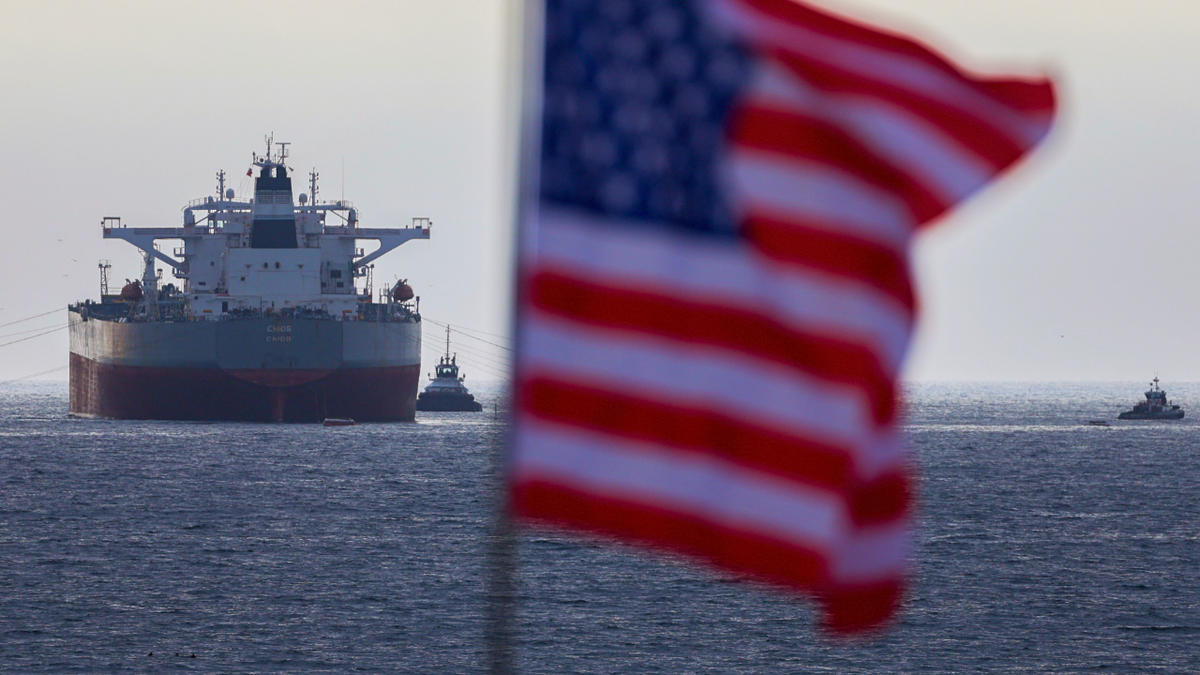
Few places on the planet matter as much to the global energy economy as the Strait of Hormuz. (Patrick T. Fallon/AFP/Getty Images)
Some global insurers are already tightening their conditions. Marine insurance titans Gard, Skuld, NorthStandard, the London P&I Club and the American Club have already canceled their war risk cover, leaving voyages across Iranian and neighboring waters without insurance.
However, not all coverage disappears. Lloyd’s of London, an insurance marketplace that brings together several insurers to cover large, high-risk voyages, said its ships operating in the Gulf region have a combined hull value of more than $25 billion. He added that the cover is still in place.
A Lloyd’s spokesman told Reuters the market was in talks with U.S. officials about possible options. Separately, global insurance broker Marsh said it had met with representatives of the Trump administration to discuss the idea.
Matt Smith, an analyst at Kpler, said coverage is a basic requirement for ships transiting the Strait of Hormuz, but it does not eliminate risk.
“It’s critical that all of these tankers have insurance. You simply can’t go through the Strait of Hormuz if you don’t have insurance, given the high risk of being hit by a missile,” Smith told Fox News Digital.
“But even with this insurance in place, it provides little comfort to those on board the ship if there is a risk of the ship being attacked,” he added.
CLICK HERE TO DOWNLOAD THE FOX NEWS APP
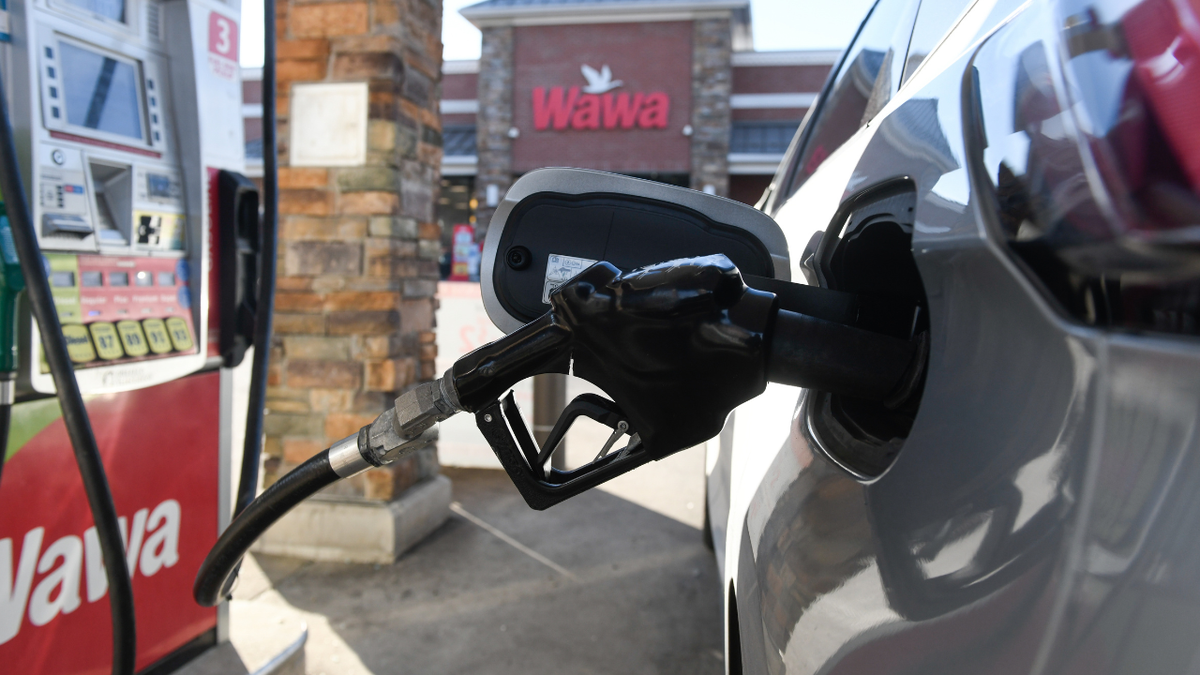
A driver fuels a vehicle at a Wawa station in Media, Pa., Monday, March 2, 2026. (Matthew Hatcher/Bloomberg/Getty Images)
With that calculation in mind, Maersk, widely seen as a barometer of global shipping, said it would suspend all ship crossings through the Strait of Hormuz until further notice and warned that service to Arabian Gulf ports could be delayed.
When big shippers slow down, the ripple effects can be felt quickly. If oil becomes more expensive or slower to reach buyers, those increases can ripple throughout the supply chain and trickle down to Americans at the pump.
How Americans feel at the pump will depend on how long the disruption and stabilization of the shipping and insurance markets last. Until then, the world’s largest energy bottleneck will likely keep traders and drivers on their toes.
Related article