13-year-old among 2 arrested as police investigate string of South Philly robberies

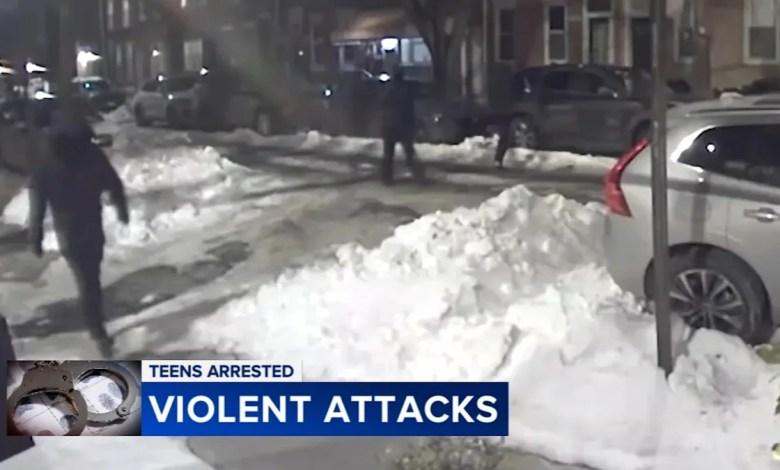
Police believe groups of juveniles are behind a series of robberies that have rocked South Philadelphia residents over the past month.
Residents say the incidents have left the neighborhood on edge.
“We’re all pretty panicked. It’s a close-knit neighborhood, so we’re worried about ourselves, but we’re worried about our neighbors, you know? This has been going on for almost a month now. And these are violent incidents. It’s a huge worry,” said Joe Manning, who lives in South Philadelphia.
The Philadelphia Police Department said investigators first noticed this trend on January 17.
“We noticed that since January 17, we had a series of thefts. It kind of stopped when it got really cold and it snowed, but it picked up again in February and continued,” said Deputy Commissioner Frank Vanore.
RELATED | Residents on edge after series of assaults in South Philadelphia
Residents on edge after series of assaults in South Philadelphia
Vanore says the thefts largely took place late at night and early in the morning, with the suspects wearing only black clothing and masks.
“Some of them target scooters, others ride scooters and commit robberies. All of these robberies have been violent, meaning no weapons were involved,” Vanore said. “In all the flights, there were masks, it is very difficult to identify them.”
Investigators say there appear to be two distinct types of thefts, although it is unclear whether they are related.
“It could be related, but they seem to act differently. One group is on scooters or target scooters, the other group is walking, and they’re looking for people who are out late, mostly alone, and they grab their purses,” Vanore said.
Police say at least five armed robberies and seven scooter thefts have been reported in the area between 7th and 13th Streets, from Reed Street to South Street. Authorities said many of the victims were Hispanic.
So far, police have arrested two juveniles in connection with these crimes.
“One of the arrests we made, the juvenile was 13. The one just two days ago was 16, so there’s a whole range of ages, but they all appear to be juveniles,” Vanore said.
Police said a suspect was identified after using a victim’s credit card at a North Philadelphia store.
“When they flee, they head north, through downtown. We have some acts that we believe are related to this in the ninth district downtown,” Vanore said.
Residents voiced their concerns during a public safety meeting with police Wednesday evening.
“I’m specifically looking for what specific steps or actions they’re going to take to solve this problem,” one neighbor said.
Police said they responded by increasing patrols between 8 p.m. and 2 a.m., adding highway patrol and bicycle officers, handing out flyers and sharing information through Hispanic radio stations.
“They are becoming more and more violent, so this is a group that we want to stop and put an end to these acts,” Vanore said.
Police are asking residents to review their surveillance cameras and report any suspicious activity.
Anyone with information is asked to contact South Detectives at 215-686-3013 or call 911.