Occupied Minnesota | The Nation


Activism
/
January 28, 2026
Minneapolis right now reminds me of what I saw during my time in the West Bank.
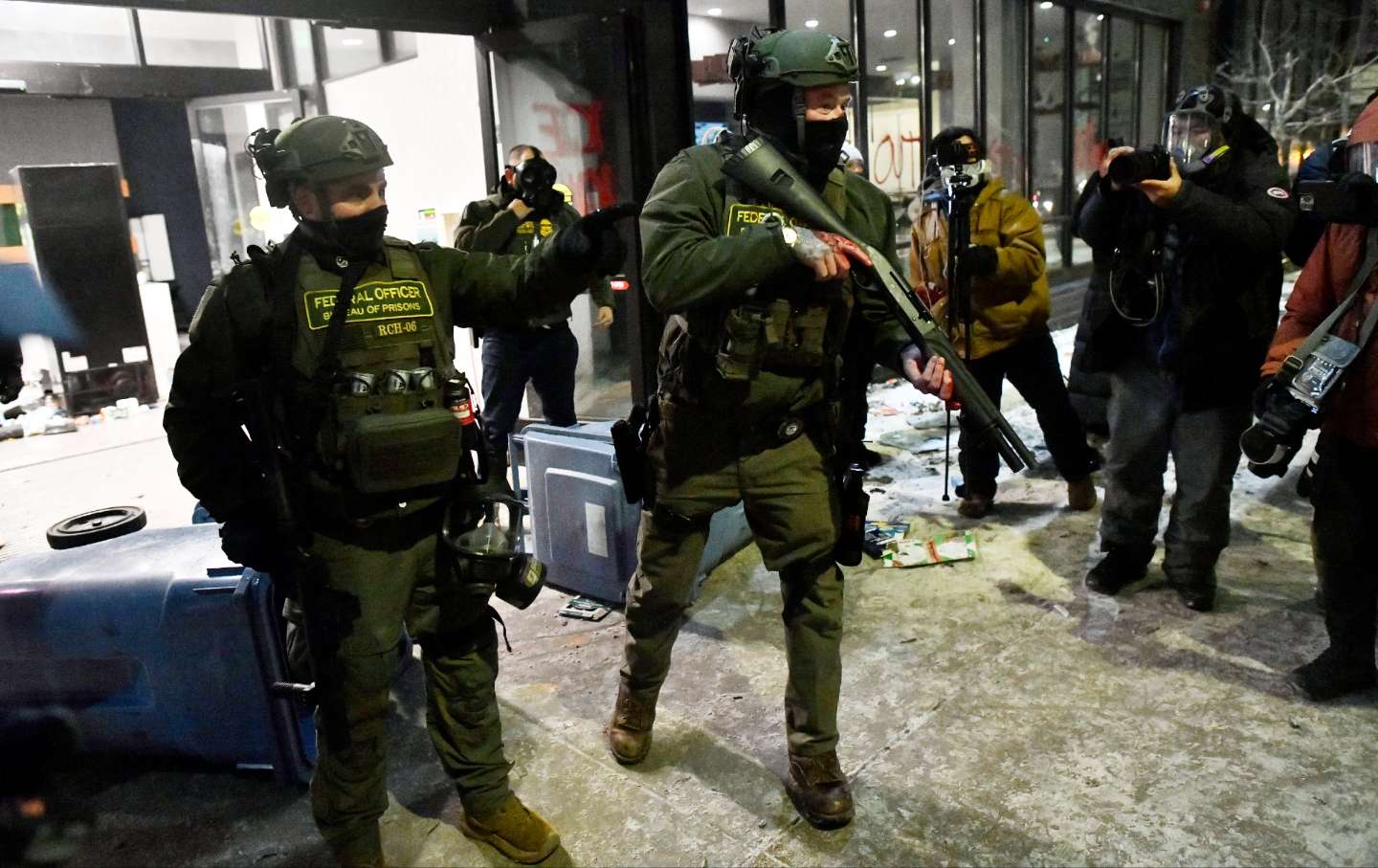
Federal agents push back protesters during “ICE OUT!” Noise Demo” in front of a hotel in Minneapolis, January 25, 2026.
(Octavio Jones / AFP via Getty Images)
Having spent a lot of time in the Palestinian West Bank, I know an occupation when I see one – and what is happening now in Minnesota is an occupation.
I came to Minneapolis to join the Twin Cities Multifaith Antiracism, Change & Healing (MARCH) group to protest the atrocities committed by ICE against the people of their state.
After a few days of nonviolent training, trust building, gathering, marching, and direct action, on Sunday, a day after the horrific murder of Alex Pretti, we learned that our help was needed at one of the bilingual (English and Spanish) churches in the community. My responsibility was to ensure that parishioners, who were often too afraid to leave their homes, could pray together in relative safety.
With liturgical vestments – for me, a tallit (Jewish prayer shawl) – draped over our many layers of winter clothing, plastic whistles around our necks and gas masks on hand, just in case, we grouped together for safety and stationed ourselves on various street corners around the church.
We hoped that our presence as white religious leaders might deter ICE from showing up that day — or that we might at least be able to warn parishioners if we saw ICE vehicles approaching the church. At the end of services, we walked people to their cars or nearby homes so that if, God forbid, they were kidnapped, their families could be immediately notified, volunteer attorneys activated, and video documentation of the kidnapping uploaded to the site created by Minnesota Attorney General Keith Ellison’s office.
It wasn’t the first time I had done this kind of “protective presence”. Staying a month or two at a time in the West Bank city of Hebron, I spent every weekday morning and afternoon escorting children to and from schools to protect them from Israeli soldiers. Just like in Minnesota – where five-year-old Luis Ramos was snatched from his father’s car in the driveway of their home last week – the threat the occupation army posed to Palestinian children was all too real.
Current number

On Sunday, outside the church in Minneapolis, I was accompanied by a local pastor who regularly provided a protective presence in the city. As we shuffled our feet to stay warm in subzero temperatures, he recounted a conversation he had the day before with his 5-year-old son.
They were in the car when the news of Alex Pretti’s death came on the radio. His son, in a seemingly indifferent tone, said, “They just killed another one, Dad. » It was tragic that the little one had come to view violence as normal. My heart sank as I thought about my experiences with Palestinian children who had come to view the presence and actions of the Israeli army as a normal part of their lives.
In 2017, while in the West Bank with a delegation of American veterans, I participated in a nonviolent protest led by renowned Palestinian human rights advocate Issa Amro. His plan was for us to create a pop-up produce market on Shuhadah Street in Hebron, which was the city’s main thoroughfare until 1994, when Israeli troops sealed off the shops and permanently closed all business. “Come buy some vegetables! Cauliflower for a shekel,” Issa’s voice rang out.
The army quickly fell back and the soldiers jumped out with their guns cocked. Issa, with an instinct that I, as a white Jewish woman, never needed to have, recognized a particularly dangerous look in the soldiers’ eyes, immediately dropped to his knees and bowed his head.
Two days after arriving in Minneapolis, I joined 100 clergy and religious leaders – almost all of them white – who were lined up one by one in an act of civil disobedience outside the Minneapolis airport to protest Delta Airlines’ complicity in more than 2,000 deportations. When my turn came to be arrested, I held out my big hands with mittens to handcuff them, but the policeman didn’t bother to secure them with a zip tie. They didn’t push me to the ground, beat me, or strip search me. Unlike the Somali community in Minneapolis, about 95% of whom are U.S. citizens, the treatment I received was closer to “officer friendly” behavior than the brutal and violent behavior of ICE. Likewise, Westerners providing a protective presence in the occupied Palestinian territories will often (but not always) receive less harsh treatment than the Palestinians they have come to support.
As with my experiences on the West Bank, my encounters with people on the streets of Minneapolis were deeply moving. Regular people – Uber drivers, hotel workers, restaurant staff – greeted me with expressions of gratitude for being here to support their city. “Stay safe,” each of my Uber drivers, the vast majority of whom are of African descent, primarily Somali, implored me as I stepped out of their vehicles. However, they are the ones who host me in their city. The nourishment that my soul receives in rendering holy service to them is, without a doubt, much more than the impact of my presence. “Please YOU stay safe,” I respond every time. “May God grant you and your family, and all the people of Minnesota, a refuge of peace. »
More than The nation
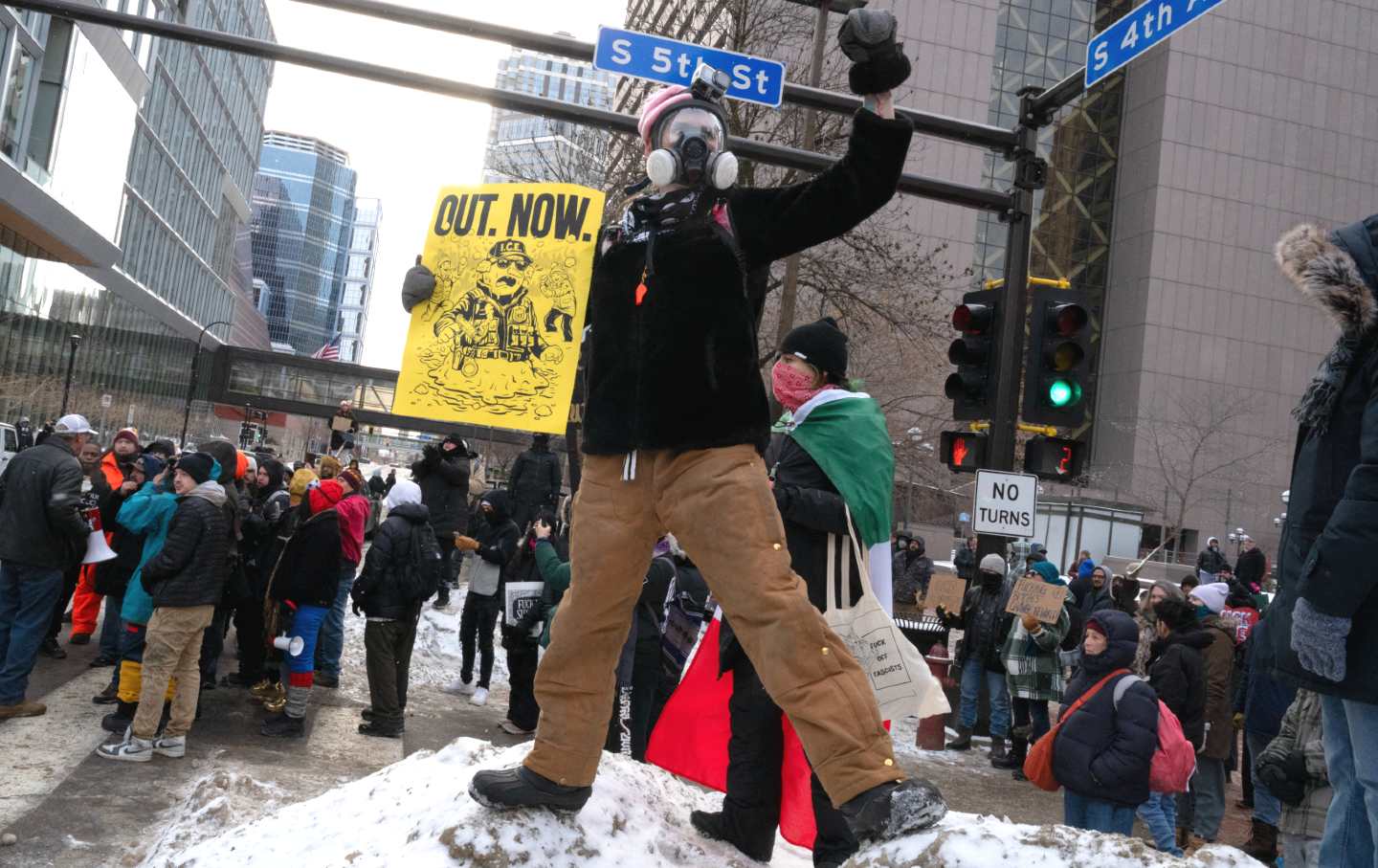
The courageous protesters in Minneapolis are doing everything the Democrats and even the law have failed to do.
Elie Mystal
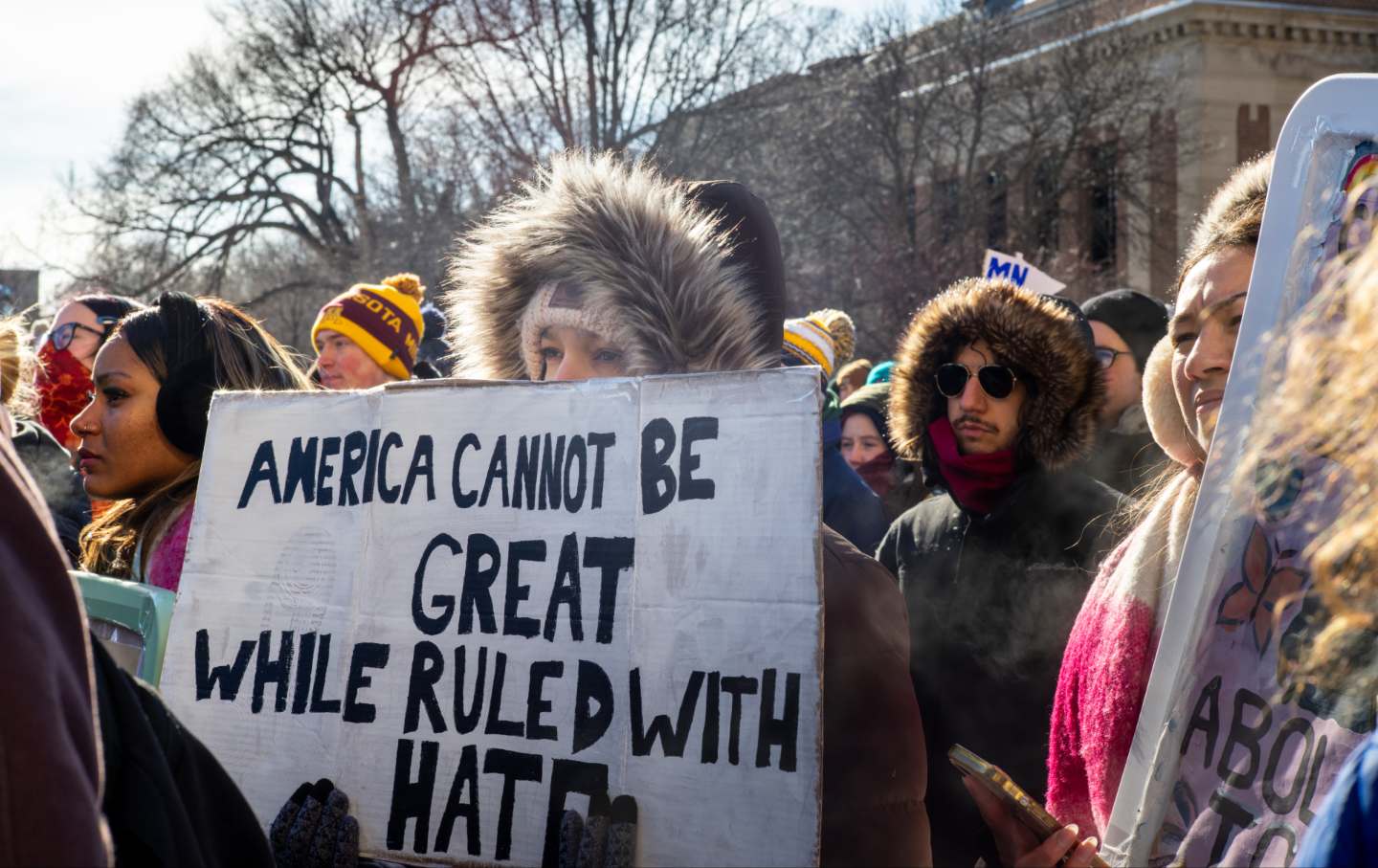
With their resistance to violent authoritarianism, Minneapolis residents renewed the spirit of Dr. King’s call for “the positive affirmation of peace.”
The editors
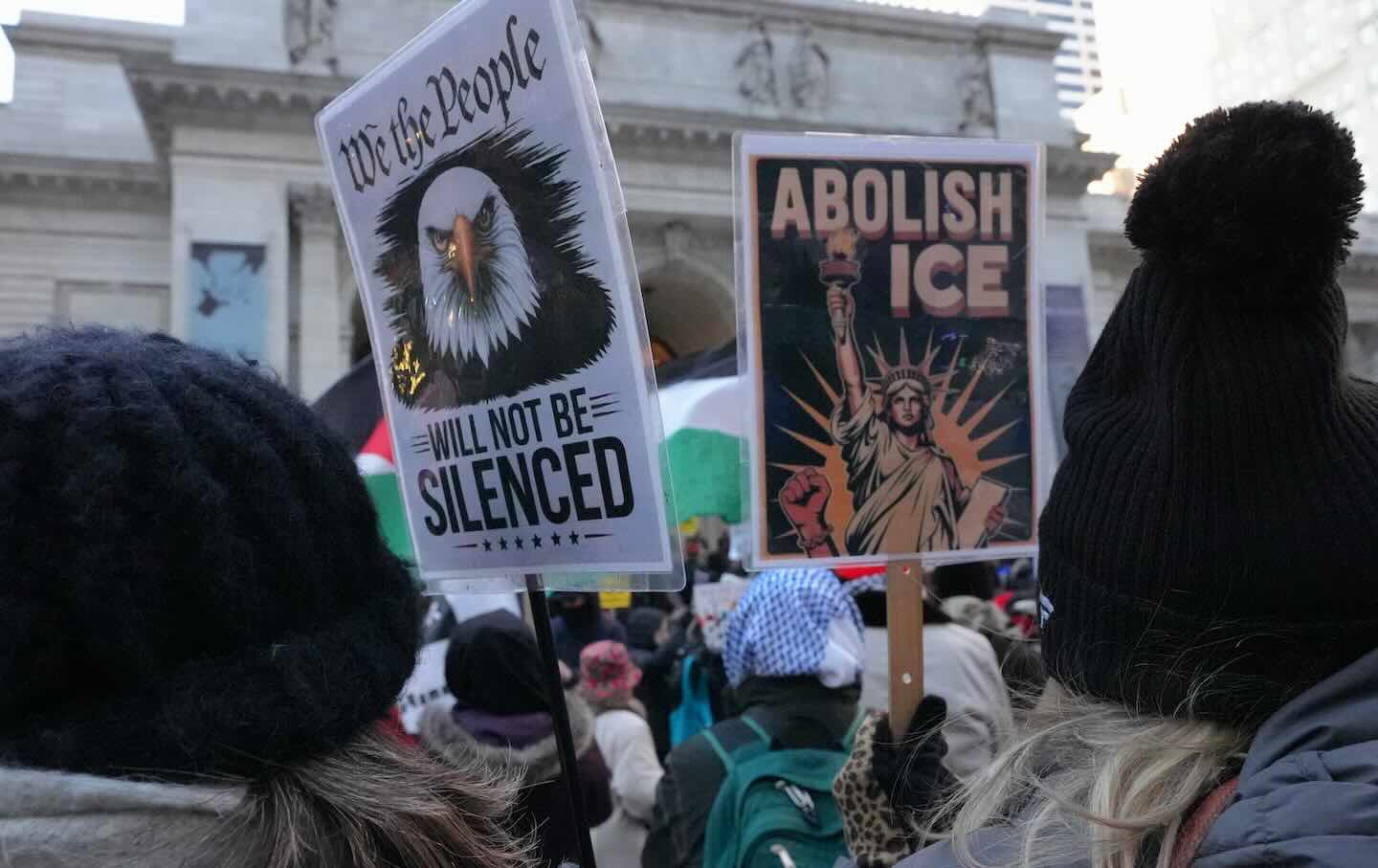
I want you to know why I choose to continue fighting for the world you deserve.
Adrian Wright
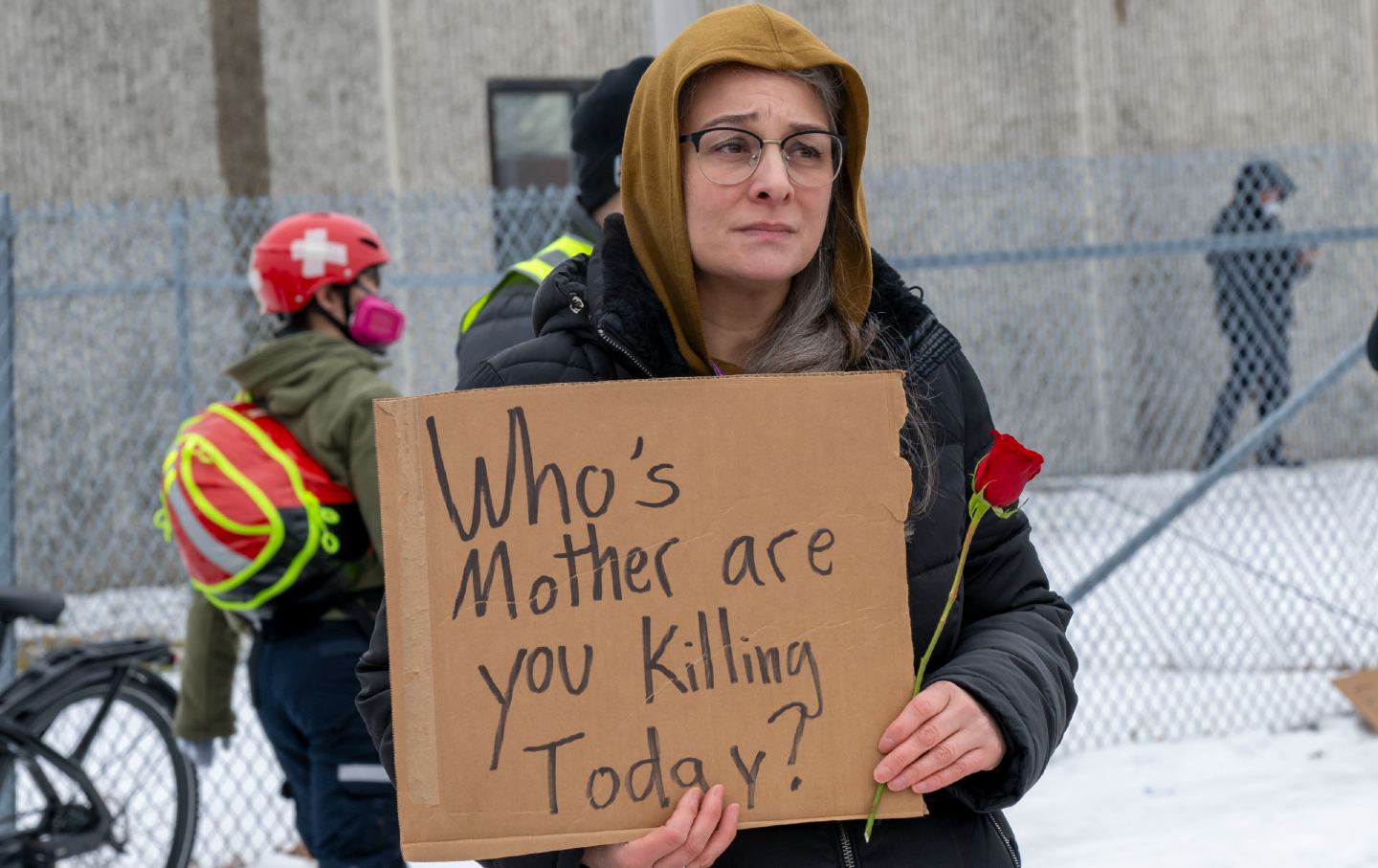
Gender is not just a matter of individual identity. It’s a focus of governance – and last year, through a series of policies, the Trump administration punished women.
Soraya Chemaly
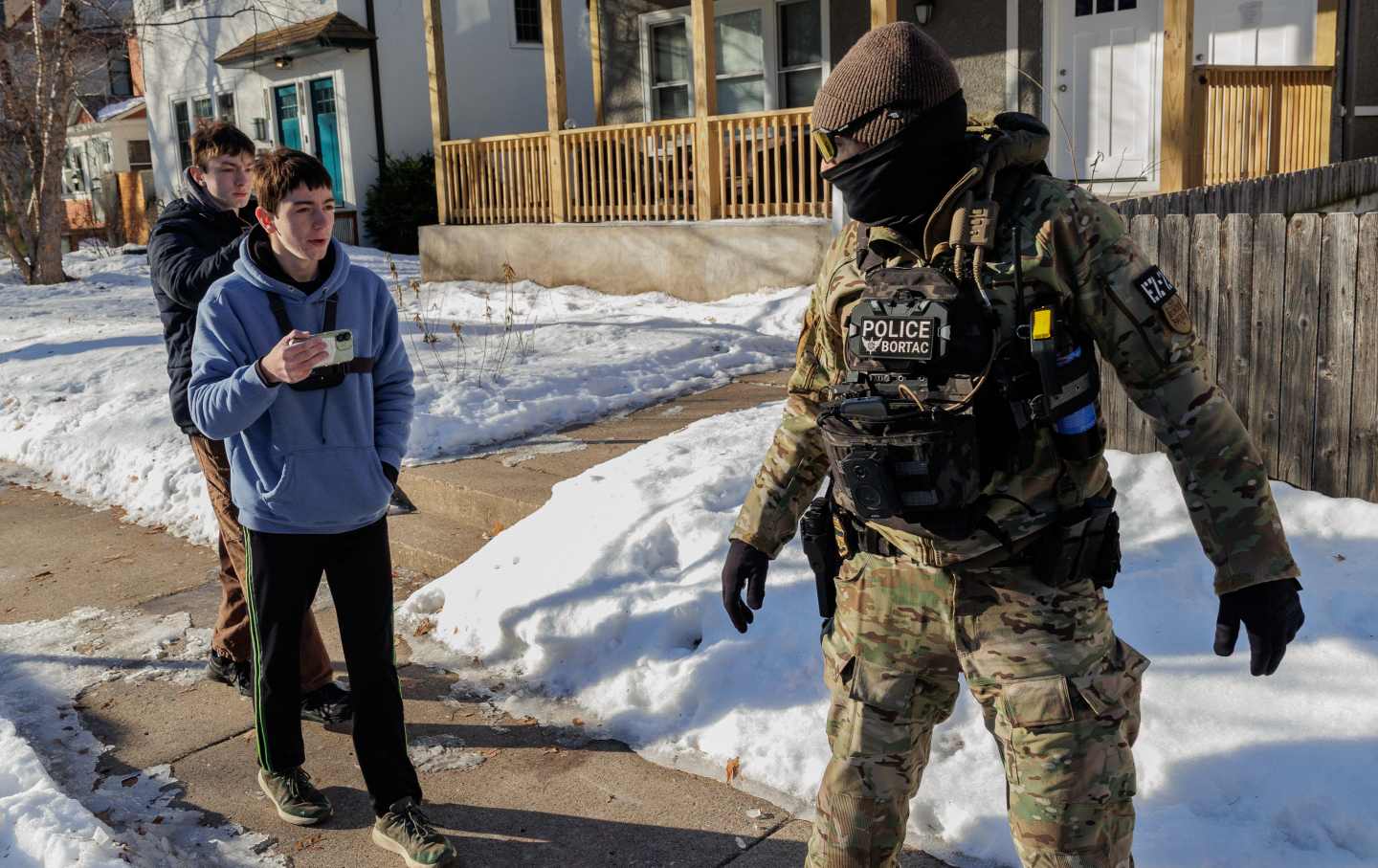
Across the country, neighbors are working together to protect each other from Trump’s immigration crackdown.
Michelle Chen


