Which airports are impacted, what to do if your flight is canceled and more


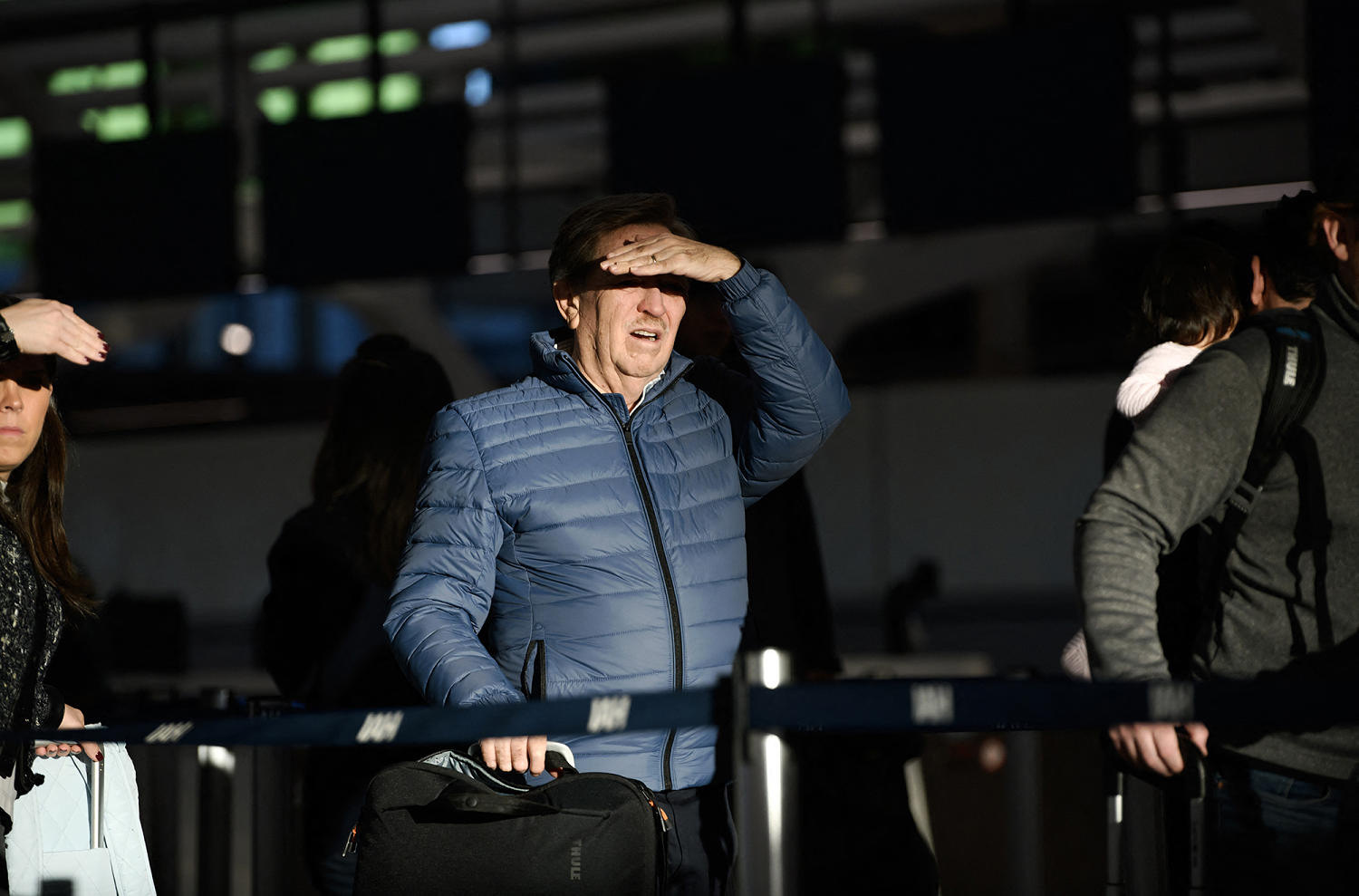
A routine trip to the skies can lead to long lines and a change of plans as airlines comply with a Federal Aviation Administration order to reduce flights by 4% at high-traffic airports starting Friday.
The reductions amount to a 10% reduction in capacity at 40 sites, intended to ease pressure points and reduce air traffic controller fatigue as the government shutdown drags on.
Here’s how discounts, delays and cancellations work.
Why is this happening?
The government shutdown has hit the aviation industry hard, leading to delays, cancellations, burnout and increasing pressure on understaffed air traffic controllers.
Air traffic controllers are highly specialized federal employees who were not paid during the shutdown, now in its second month.
Since the shutdown began, there has been an increase in “staffing triggers” at air traffic facilities across the country, leading to “an increase in reports of pressure on the system from pilots and air traffic controllers,” the Department of Transportation said Thursday. Controllers experienced burnout, “work stoppages,” and in some cases found second jobs to make ends meet.
Transportation Secretary Sean Duffy and FAA Administrator Bryan Bedford announced a 10 percent cut Wednesday, calling it a “proactive” effort to keep U.S. airspace safe while combatting “fatigue” weighing on controllers.
Jeff Guzzetti, a plane crash investigator who has worked for the National Transportation Safety Board and the FAA, said such a move by aviation officials was unprecedented.
By reducing flights, the FAA will “reduce the potential risk that an overworked controller, or an understaffed FAA facility, will make a mistake and cause two planes to crash into each other,” Guzzetti said. He noted that the move, however, “is going to cost airlines and commerce a lot of money. And it will cause enormous inconvenience to the traveling public.”
How many flights are affected?
The FAA ordered a 4% reduction in operations starting Friday, increasing to 6% by November 11, 8% by November 13, and 10% by November 14.
American Airlines said the 4% reduction would result in the cancellation of 220 flights per day. The vast majority of affected American Airlines flights are regional and there will be no impact on international flights, including Mexico, Canada and the Caribbean, CEO David Seymour said in a letter to employees. The impact of hub-to-hub routes will be minimized.
United Airlines said 188 flights would be canceled Friday, Southwest said 120 would be canceled and Delta 170.
United Airlines CEO Scott Kirby said long-haul international flights and hub-to-hub flights will not be affected, but the reductions will affect “regional flights and mainline domestic flights that do not travel between our hubs.”
The 10% reduction will result in the cancellation of about 4,400 flights per day, with the FAA handling an average of 44,360 daily flights, according to fiscal 2024 figures.
The 40 high-impact airports include major cities such as Chicago, the New York area, Washington, D.C., Atlanta and Dallas Fort-Worth.
What to do if your flight is canceled?
If you are traveling in the coming weeks, check the status of your flight with your airline.
The Department of Transportation has demanded that all airlines provide full refunds to affected customers. So far, major airlines say they will alert customers of cancellations, provide rebooking options, and offer refunds whether or not your flight is affected.
American Airlines is issuing travel waivers allowing customers whose flights are canceled to change their flight or request a refund without penalty.
United said affected customers will be notified via app and push notifications of flight changes and rebooking options. United customers traveling during their period are also entitled to a refund, even if their flight is not impacted. The airline also published on its website a list of flights canceled from Friday to Sunday.
Delta is also issuing travel waivers, allowing customers in affected markets to change, cancel or refund their flights without penalty.
Southwest said the “vast majority” of customer flights would not be disrupted and those affected would hear from the airline. Those who booked travel through November 12 can change their plans or receive a refund.


