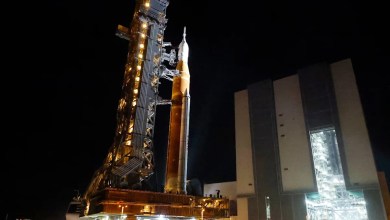
Trump vows US energy companies return to Venezuela despite billions owed


NEWYou can now listen to Fox News articles!
As president Donald Trump pledges to return U.S. energy investments to Venezuela, the Latin American country remains obligated to pay billions of dollars owed to U.S. energy companies after years of legal battles over oil contracts.
Once a key supplier to global oil markets, Venezuela has reshaped its relationship with international markets. energy oil companies in the mid-2000s, as President Hugo Chávez strengthened state control over the oil industry.
“WE BUILT VENEZUELA’S OIL INDUSTRY:” TRUMP PROMISES US ENERGY RETURN AFTER MADURO CAPTURE
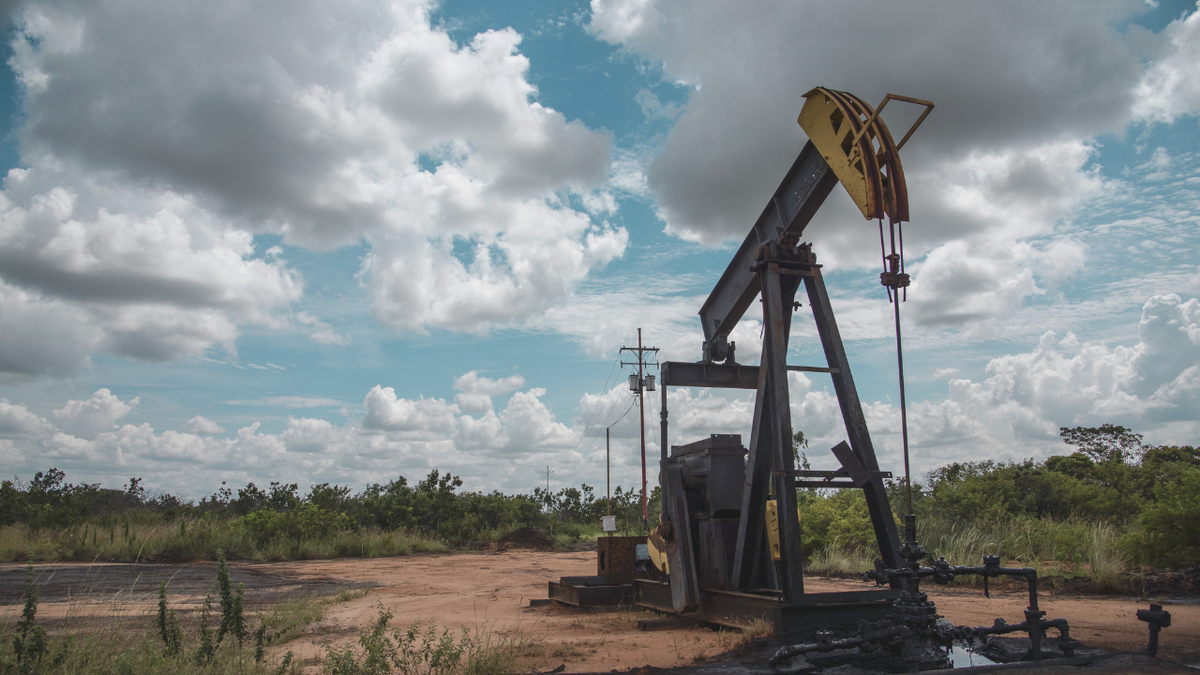
A pump jack sits near an oil spill at a Petroleos de Venezuela SA (PDVSA) facility in the Orinoco Belt in El Tigre, Venezuela.
Between 2004 and 2007, Chávez effectively forced foreign companies to renegotiate their contracts with the government. The new conditions have significantly reduced the role and profits of private companies while strengthening Venezuela’s state-owned oil company, Petróleos de Venezuela, SA (PDVSA).
The move prompted some of the world’s largest oil companies to leave the country.
ExxonMobil and ConocoPhillips left Venezuela in 2007 and subsequently filed claims against the government in international arbitration courts. Those courts ultimately ruled in favor of the companies, ordering Venezuela to pay ConocoPhillips more than $10 billion and ExxonMobil more than $1 billion.
MOM OF US OIL GIANTS AFTER TRUMP SAYS THEY WILL SPEND BILLIONS IN VENEZUELA
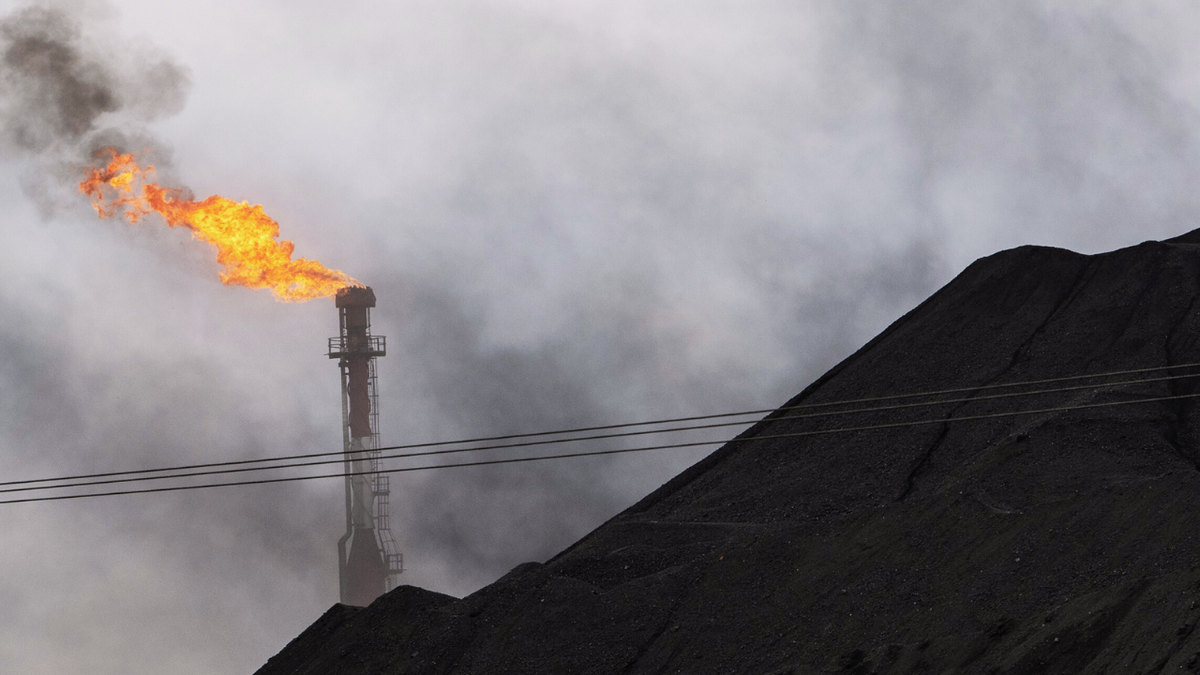
Venezuela has the largest oil reserves in the world. (Caroline Cabral/Bloomberg/Getty Images)
Although precise figures are difficult to verify since Venezuela has not published comprehensive debt statistics in years, the International Monetary Fund estimates that the country’s economy will reach around $82.8 billion in 2025.
However, the debt level stands at almost 200% of this total, meaning Venezuela owes almost two dollars for every dollar produced.
Additionally, Venezuela has failed to repay approximately $60 billion in bonds, with total foreign debt amounting to approximately $150 billion when including loans from its major financial bankers, including Russia and China.
VENEZUELA HOLDS THE LARGEST OIL RESERVES IN THE WORLD. HERE’S HOW OTHERS COMPARE
PDVSA also issued a bond due to be repaid in 2020, backed by a majority stake in US refiner Citgo as collateral. The state-owned oil company later defaulted on that payment, putting Citgo in the legal crosshairs of creditors seeking to recoup billions owed to them.
The cash-strapped country, which has the world’s largest oil reserves, has paid only a fraction of those rewards.
Chevron, however, remained in the country, becoming the only U.S. energy company still active in Venezuela amid years of sanctions, economic collapse and political unrest.
In a statement to Fox News Digital, Chevron said the company follows “relevant laws and regulations” but declined to comment on future investment plans in Venezuela.
CLICK HERE TO DOWNLOAD THE FOX NEWS APP
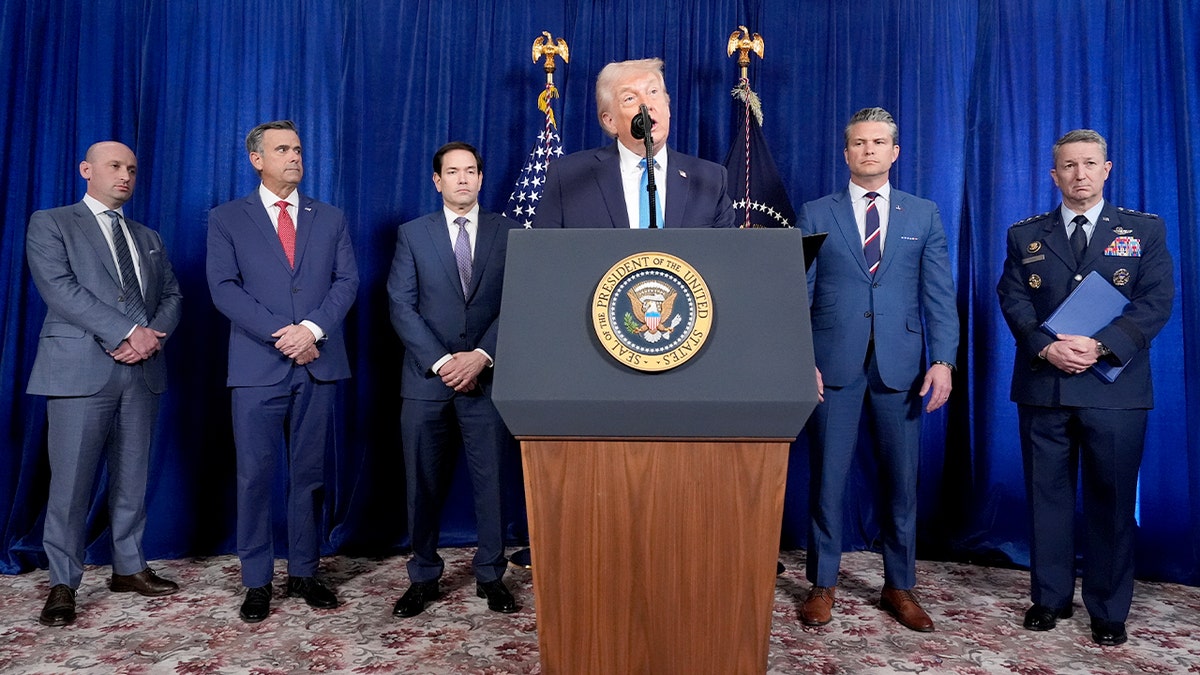
President Donald Trump addresses the nation following the U.S. capture of Venezuelan President Nicolas Maduro. (Alex Brandon/AP)
“Chevron remains focused on the safety and well-being of our employees, as well as the integrity of our assets,” the statement added.
On Saturday, Trump told reporters at Mar-a-Lago that he wanted U.S. oil companies to “spend billions of dollars, repair badly damaged oil infrastructure and start making money for the country.”
He added that the United States “built Venezuela’s oil industry with American talent, drive and skills,” and said that once the country’s energy sector was revived, the United States would sell that oil in markets around the world.
Venezuela’s onerous financial obligations underscore the obstacles U.S. energy companies would face in making new investments, despite Trump’s promise to recommit.