Trump-Xi meeting puts soybeans at center of US-China trade tensions


NEWYou can now listen to Fox News articles!
As president Donald Trump and Chinese leader Xi Jinping prepare to meet on Thursday, a soft-spoken star of U.S. exports will take center stage: soybeans.
This modest crop, which represents a $30 billion pillar of U.S. agricultural exports, has become a powerful symbol of economic interdependence and political tensions between Washington and Beijing.
In short, soybeans now embody the volatility of the US-China trade war. Beijing suspended its purchases of American soybeans in response to tariffs imposed by Trump on Chinese products.
China turned to suppliers in Brazil and Argentina, a move that underscored how quickly global trade models can change and how vulnerable U.S. farmers are to diplomatic divisions between Washington and Beijing.
CHINA’S TRADE FREEZE SQUEEZES U.S. SOY PRODUCERS AS COSTS RISE AND PROFITS DISAPPEAR
What began as a retaliatory exchange between the world’s two largest economies has turned into a symbolic and economic gut punch for Trump’s rural base, whose livelihoods depend on the very trade ties that are now caught in the crossfire.
According to the American Soybean Association, the United States has traditionally been China’s main source of soybeans. Before the 2018 trade conflict, about 28% of U.S. soybean production was exported to China. These crop exports fell sharply to 11% in 2018 and 2019, rose to 31% in 2021 in a context of demand during a pandemic and fell back to 22% in 2024.
But some policy experts argue that China’s abandonment of U.S. soybeans was already underway.
Beijing quietly dictates next trade war moves as Trump and XI prepare to meet
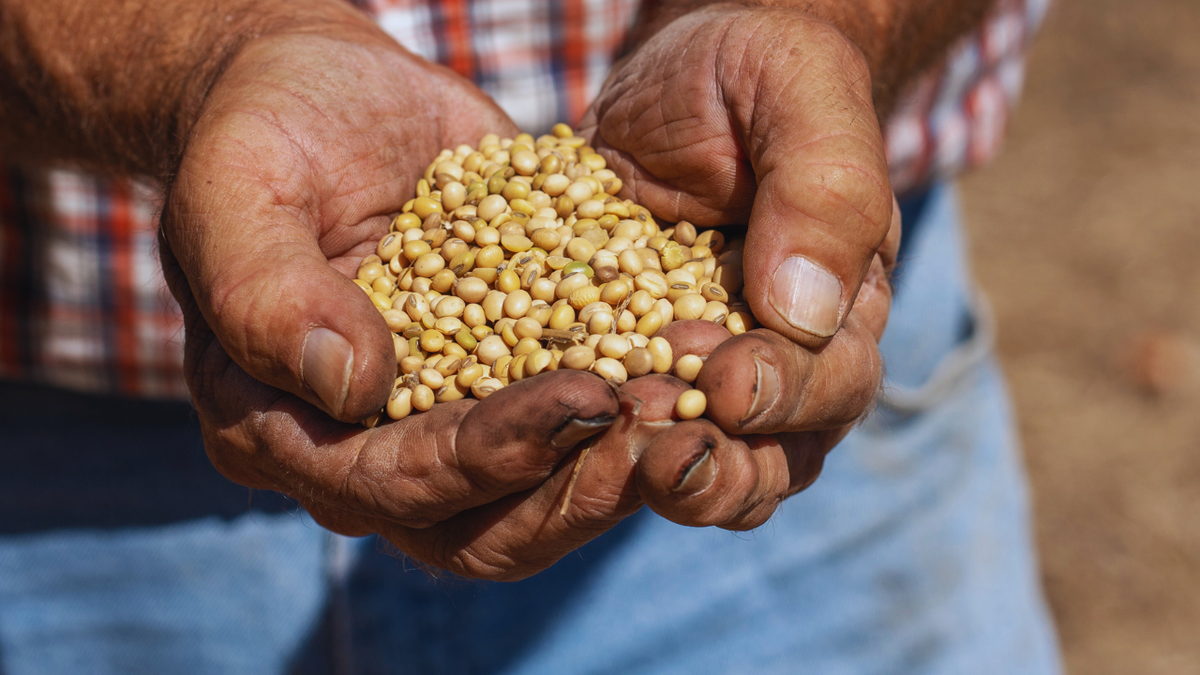
Beijing has suspended purchases of American soybeans amid an ongoing trade war with the United States. (Jan Sonnenmair/Getty Images)
“China was always going to reduce its dependence on the United States for its food security,” Bryan Burack, senior policy adviser for China and the Indo-Pacific at the Heritage Foundation, told Fox News Digital. “China began signing soybean purchasing agreements with other countries well before President Trump took office.”
He added that Beijing “has been dissociating itself from the United States for a long time.”
“Unfortunately, the only way we can respond is to do the same, and that process is painful and excruciating,” Burack said.
But for farmers thousands of miles from Washington and Beijing, these policy changes mean shrinking markets and tighter margins.
“We rely on trade with other countries, especially China, to purchase our soybeans,” Brad Arnold, a multigenerational soybean farmer in southwest Missouri, told FOX Business. He said China’s decision to boycott purchases of U.S. soybeans “has enormous impacts on our business and our bottom line.”
US SOYBEAN GROWERS FACE FINANCIAL CRISIS AS TRADE DISPUTE WITH CHINA THREATENS LIVELIHOODS
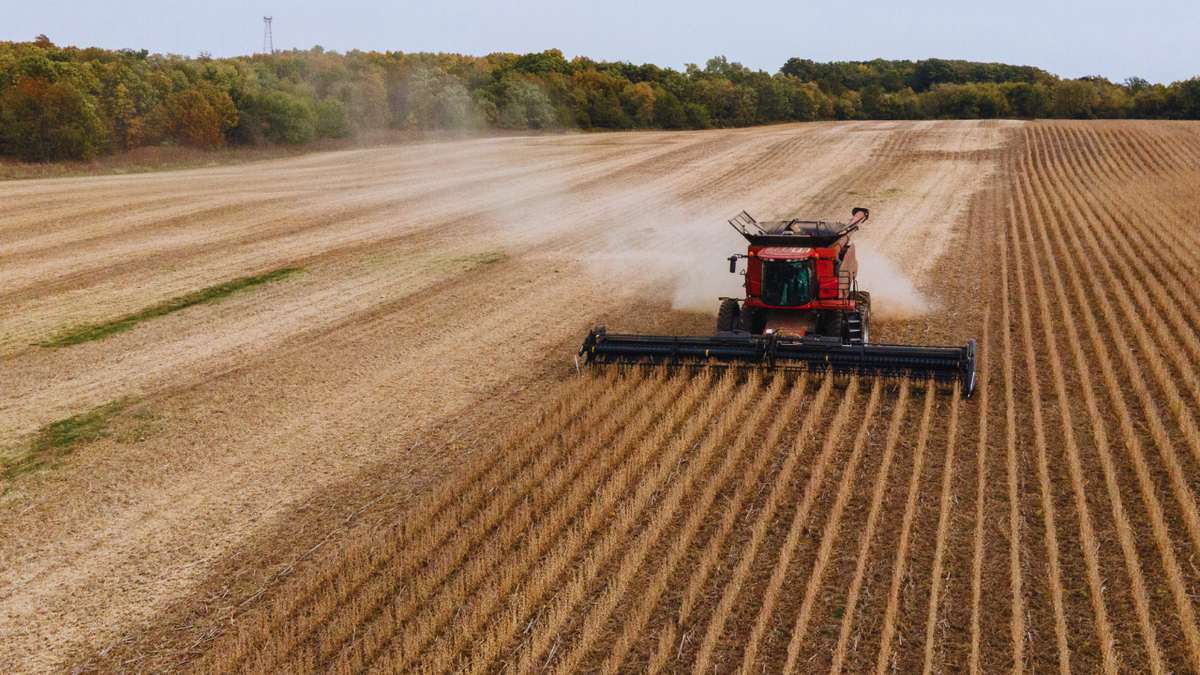
President Donald Trump and Chinese President Xi Jinping are expected to discuss soybean exports to South Korea. (Christopher Dilts/Bloomberg/Getty Images)
“There are domestic uses for soybeans, including renewable diesel, biodiesel specifically produced from soybeans,” Arnold said. “Overall, that percentage is so low right now that it’s going to take a customer like China buying beans to have a noticeable impact. You can’t take our No. 1 customer, shut it down, and find a replacement overnight.”
This dependence on China adds new weight to the diplomatic scene this week as Trump and Xi prepare to meet in South Korea. The two leaders will meet on the sidelines of the Asia-Pacific Economic Cooperation Summit in Busan, South Korea, marking their first in-person meeting since Trump returned to power.
Before the meeting, Treasury Secretary Scott Bessent said he expected China to delay restrictions on rare earths and resume soybean purchases from the United States, calling it a “substantial framework” that both sides aim to maintain. Bessent also said trade talks were moving toward avoiding a new 100% U.S. tariff on Chinese goods.
CLICK HERE TO GET THE FOX NEWS APP
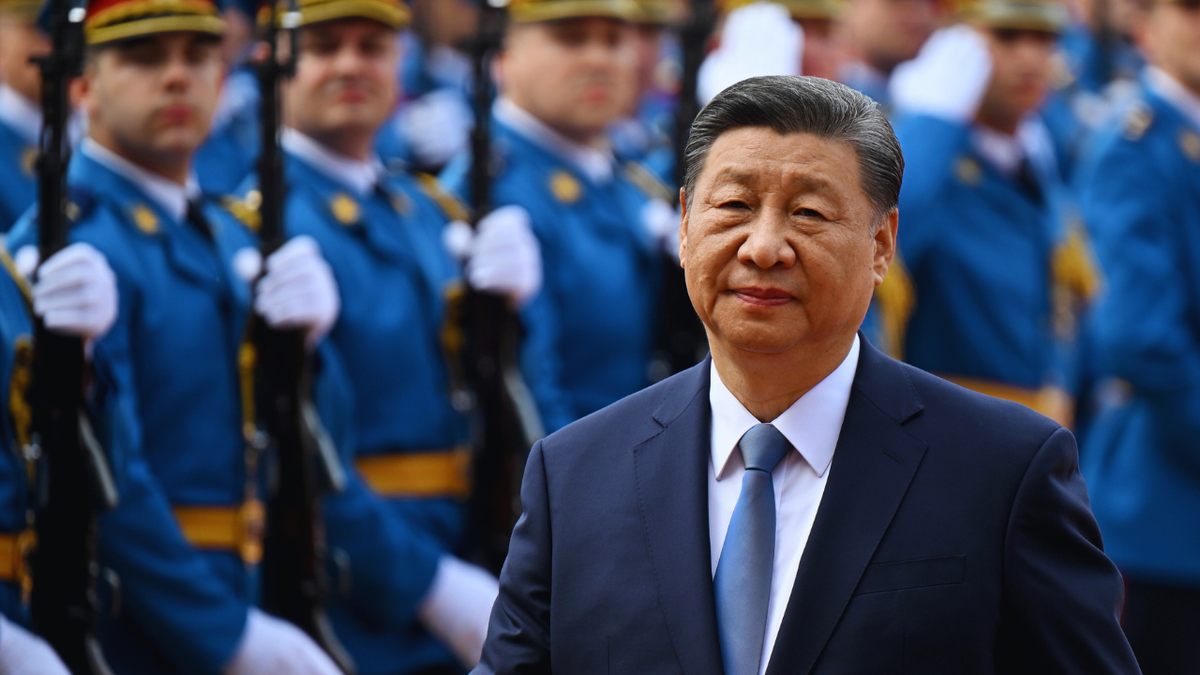
Chinese President Xi Jinping has suspended soybean purchases amid a trade war with the United States. (Oliver Bunic/Bloomberg via Getty Images)
And in a possible gesture to ease tensions, Reuters reported that China had purchased around 180,000 tonnes of US soybeans in the run-up to the meeting between Trump and Xi.
Whether an actual thaw in U.S.-China trade relations or simply a temporary reprieve, this purchase underscores how deeply intertwined diplomacy and agriculture remain.
Eric Revell of Fox Business contributed to this report.