Sewer line workers stumble on Viking ship timber


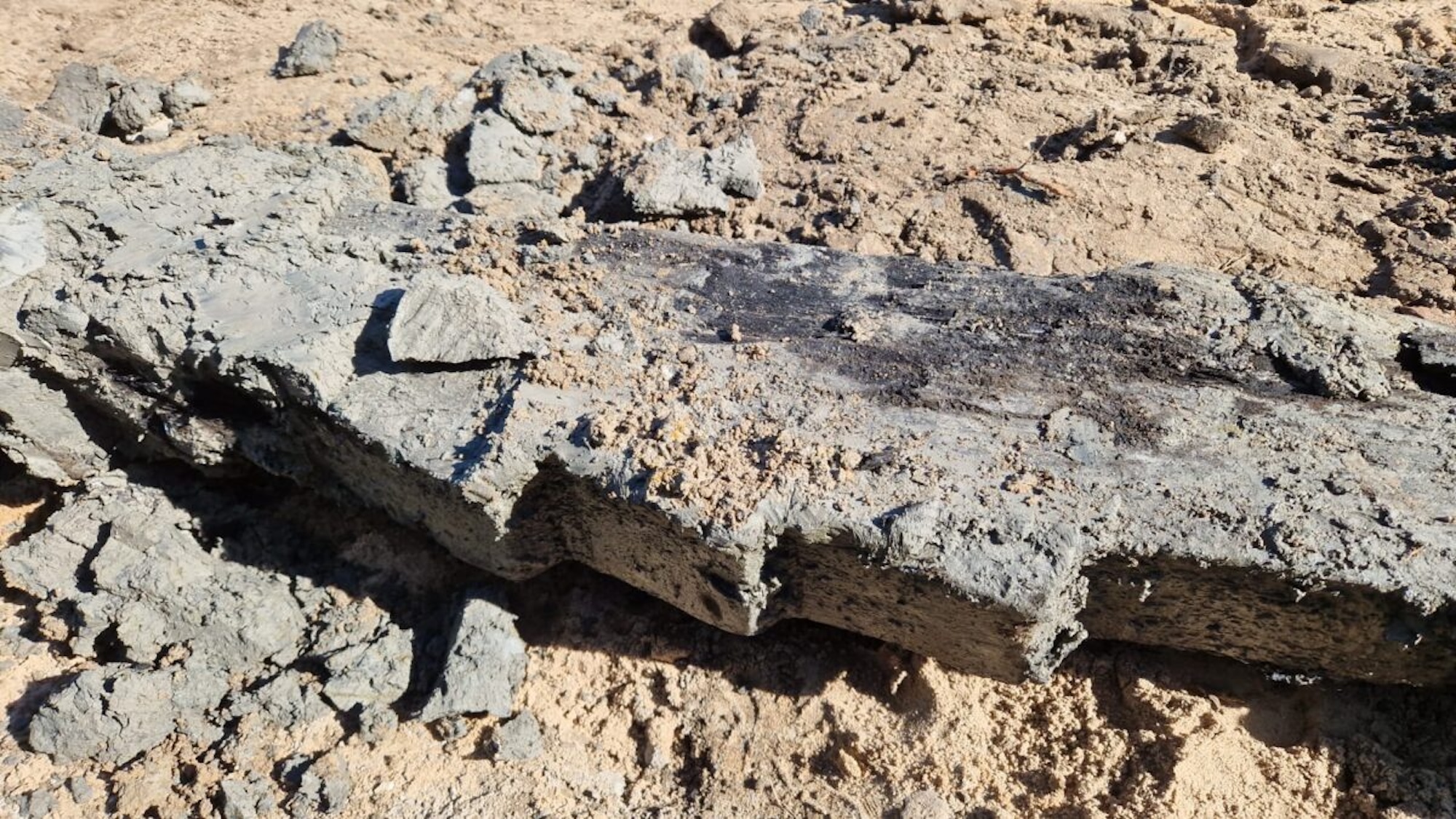
Work on a sewer line southeast of Amsterdam was halted recently after construction crews discovered an unexpected and very large obstacle. According to a recent social media post from the Dutch town of Wijk bij Duurstede, municipal workers came across a slab of wood measuring more than 10 feet, which likely belonged to a Viking-era ship dating back to around the 9th century.
Although the maritime artifact would be the first archaeological discovery of its kind in the town if confirmed, the history of Wijk bij Duurstede goes back even further in time. Originally known as Dorestad, the river was a vital trading center between the 7th and 9th centuries that linked the Scandinavian world to the north and the Frankish world (present-day central Germany) to the south.
Archaeologists cautioned that although they still needed to conduct a dendrochronological analysis (dating based on tree rings), they believed the wood was likely part of a ship that sailed during the Carolingian period around 1,200 years ago. Named after the noble Frankish family that included Charles Martel and his grandson Charlemagne, the Carolingian era was a transformative period in medieval Europe, where power was consolidated and regional cultures began to mix.
However, the crew of the mysterious ship may not have been interested in trade. All this maritime trade also attracted its share of Viking raiders from Scandinavia. It’s even possible that the ship is actually younger than archaeologists think. It is possible that the wood was part of a cog, a large fortified trading vessel commonly seen in northern Europe in the 13th and 14th centuries.
Fortunately, archaeologists are not subject to the same pressing deadlines as sewer workers. After carefully removing and transporting the wooden artifact to an environmentally controlled storage facility, researchers can now begin cleaning and examining it in detail. Regardless of its final age and identity, there is also a good chance that the wood will eventually be on display at the city’s local Dorestad Museum.

The best new PopSci 2025 releases