Google redeems Gemini after awkward Olympics ad in a Super Bowl spot among many sentimental AI contenders


For sixty seconds during Super Bowl LX, Google Gemini managed to look like a tool the average person might like. This is a surprisingly rare feat, but one that many of the biggest AI companies attempted in the big game.
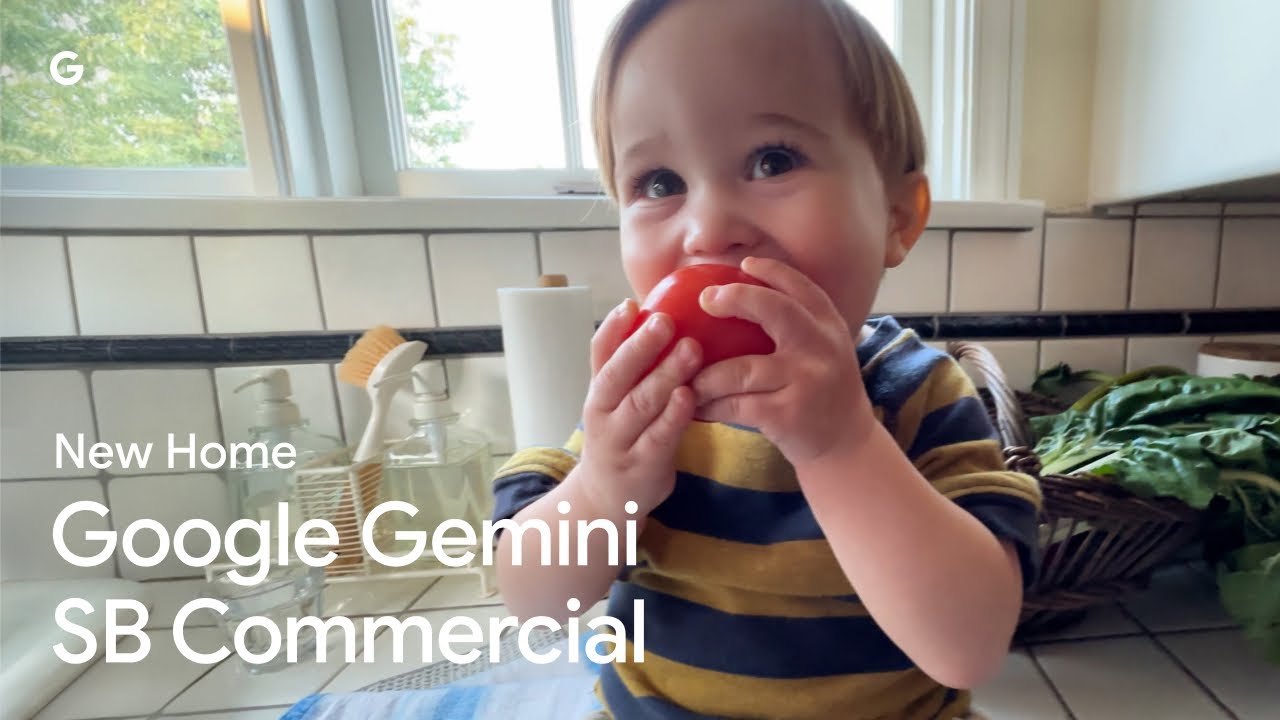
In a soft-spoken, emotionally textured ad called “New Home,” a mother uses Gemini to help her young son imagine what their new home might look like. She takes a photo of the empty room and asks Gemini to recreate it with her son’s toys, bed, and even dog bed from a photo of their current home. They decorate. They walk around a photorealistic version of the new construction site, imagining possibilities. Tech is present, but never central.
Look on it
It seems Google has figured out why it got the 2024 Summer Olympics wrong with its miscalculated “Dear Sydney” ad. This spot featured a father asking Gemini to write a heartfelt letter to an Olympic athlete for his daughter. He landed with a thud. Replacing a serious parent’s voice with AI-generated prose was neither smart nor effective.
Olympics advertising showed Gemini as a shorthand for human expression. The Super Bowl commercial showed it as scaffolding.
Welcome to the AI Bowl
Super Bowl commercials are always a strange cultural litmus test. Every year, we get a glimpse of what advertisers say Americans care about and what they think we’re ready to laugh, cry or trust about. In 2026, that apparently meant AI.
This year, more than 23% of Super Bowl ads involved artificial intelligence. Not just tech giants like Google or Amazon, but everyone from Anthropic to TurboTax has found a way to integrate AI into their creative pitch. Some did it intelligently. Others relied heavily on emotional attraction.
The big players in AI have opted for sentimentality rather than spectacle. Anthropic criticized OpenAI’s new plans to serve ads by mocking algorithmic overload with a scene-stealing grandmother. Amazon’s Alexa+ ad starred Chris Hemsworth and played like a buddy comedy. Even the TurboTax ad managed to slip AI into a punchline about seeking human help after too much confusion with chatbots.
Google’s attempt seemed less like a push against its rivals and more like an effort to reach people who don’t care about AI at all. Since Google scrambled to catch up in AI after OpenAI overtook it with ChatGPT, it has shown remarkable confidence and restraint. And after the Olympics failed, it was clear that Google needed to recalibrate the way people think about using AI tools.
Feeling with clarity
Every second costs a fortune in a Super Bowl commercial, but Google can get its money’s worth with “New Home” if it resonates with the average person. Although arguably a little too neat, the sentiment behind it is at least easy to understand. And it works here because the technology being sold isn’t a search engine or a Pixel phone, but the idea of how AI, particularly Gemini, should fit into everyday life.
Olympics advertising failed by acting as if AI could make us feel this way. This one succeeds because he knows better. I’m not saying it will work. There’s a little underlying cynicism that could be off-putting. But there are times when people want a little help that AI can offer, and advertising doesn’t throw it in your face.
Many ads this year have attempted to present AI as friendly, useful and accessible. Google has made this normal. And making AI normal is one of the hardest things to do, and one that most companies struggle with. When people hear about generative AI, they always think of scary deepfakes, fake Drake songs, layoffs, or crazy facts. It’s difficult to ask people to let AI into their homes when so much of what they see in the news is presented as a loss.
Google’s announcement doesn’t directly address any of this. But he offers a different type of counterargument. No. That said, here’s how it might help you get through something, not by doing it for you, but by helping you do it in a clearer way, in a more fun way, and maybe with a little less stress. Because what people expect from AI might not be surprising. This is to feel a little more comfortable with whatever comes next.
Feeling with clarity
A deeper change is underway here, one that trademark law cannot solve. As synthetic media becomes simpler and more compelling, the question of ownership becomes not only legal but cultural. If people hope to be able to remix and regenerate anything, then the law alone won’t be enough to stop them. It will require new norms, new taboos and new expectations of consent.
McConaughey’s line is clear: If you want to use his voice, ask him. This shouldn’t be controversial. Consent and attribution are low bars, and yet they are absent in much of the current AI landscape. Most AI voice tools do not tell users where the source material came from. M
In some ways, McConaughey’s actions set a precedent. If a famous phrase or moment can be legally protected, maybe yours can too. If not through trademarks, then by putting pressure on platforms to flag synthetic content, on lawmakers to craft modern regulations, and on AI developers to build with consent in mind. The truth is that most people won’t have the means to take legal action every time their face appears in an unauthorized AI video. But maybe they shouldn’t have to.
We need a broader change in how synthetic identity is treated, including penalties for consent violations. We are all marching toward an uncertain era where the most compelling versions of ourselves might not even be ours.
This era requires new legal constructs, regulatory clarity and international cooperation to govern how AI can use and reuse personal identity. Without it, celebrities could end up fighting a series of narrow battles without winning the larger war. And even someone who simply enjoys uploading videos of themselves telling stories could have their voice ripped away without their permission to sell a product they’ve never heard of. And that’s not okay, okay, okay.
Follow TechRadar on Google News And add us as your favorite source to get our news, reviews and expert opinions in your feeds. Make sure to click the Follow button!
And of course you can too follow TechRadar on TikTok for news, reviews, unboxings in video form and receive regular updates from us on WhatsApp Also.

The best business laptops for every budget


