U.S. quietly declassifies Cold–War era ‘JUMPSEAT’ surveillance satellites


February 1, 2026
1 min reading
 Add us on GoogleAdd SciAm
US quietly declassifies Cold War-era “JUMPSEAT” surveillance satellites
The National Reconnaissance Office has declassified a satellite program used to spy on U.S. adversaries.
National Reconnaissance Office
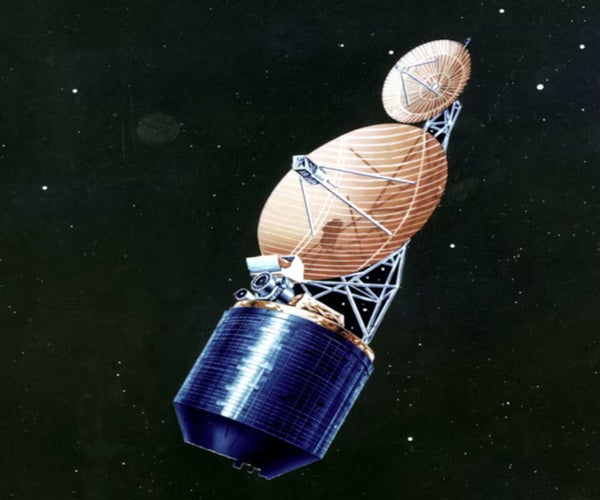
About forty years ago, the United States launched a series of secret satellites, intended to spy on the country’s adversaries.
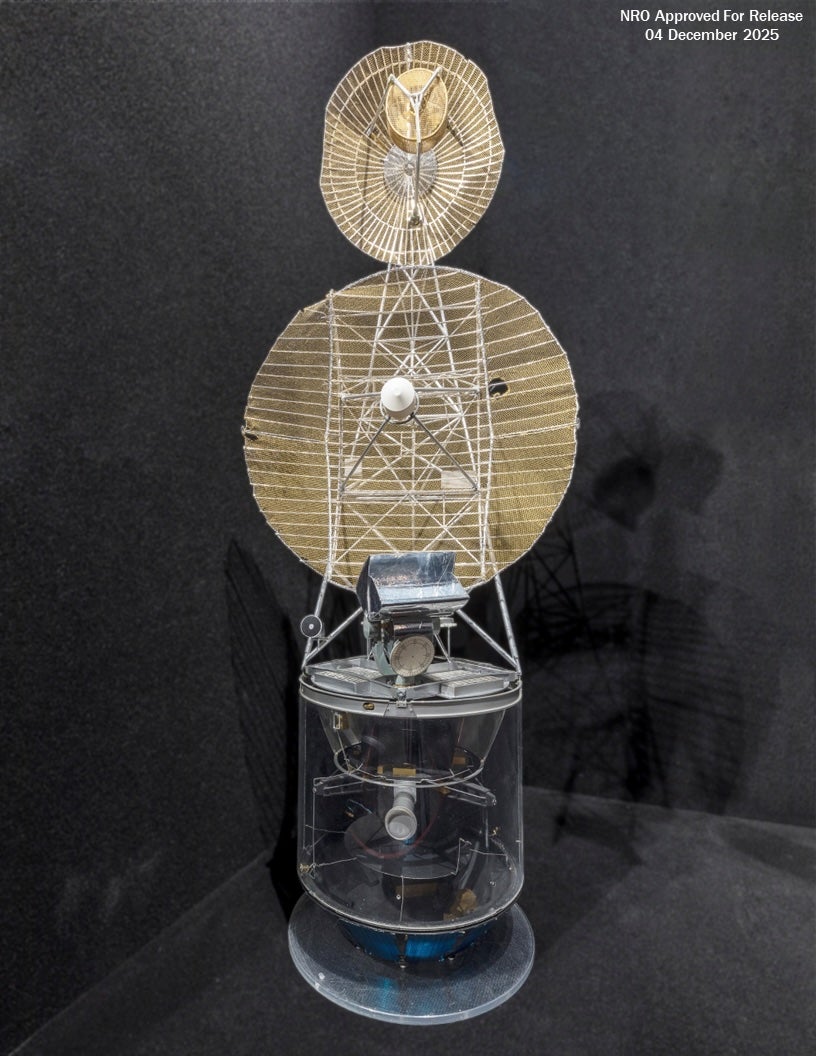
Launched between March 1971 and February 1987, these satellite missions, nicknamed “JUMPSEAT”, were declassified by the National Reconnaissance Office (NRO).
The NRO and the US Airforce developed the satellites together to strengthen the US government’s “space intelligence portfolio” to monitor “the development of adversary offensive and defensive weapon systems”, according to the NRO. It is not clear what the JUMPSEAT satellites were monitoring.
On supporting science journalism
If you enjoy this article, please consider supporting our award-winning journalism by subscription. By purchasing a subscription, you are helping to ensure the future of impactful stories about the discoveries and ideas shaping our world today.
“The historical significance of JUMPSEAT cannot be understated,” James Outzen, director of the NRO’s Center for the Study of National Recognition, said in the same release. “Its orbit provided the United States with a new vantage point for collecting unique and critical signals intelligence from space. »
National Reconnaissance Office
The first JUMPSEAT mission was launched in 1971 from a military base near Santa Barbara, California, and provided information to the U.S. Department of Defense and the National Security Agency, among other national security agencies.
According to a December memo signed by NRO Director Christopher Scolese, the JUMPSEAT satellites performed “admirably” but were decommissioned in 2006. Declassifying the missions, he said, would pose little risk to “current and future satellite systems.”
More detailed information about what the satellites did may become available in the future. “After limited declassification,” Scolese wrote in the memo, “we will evaluate the program for more comprehensive programmatic declassification as time and resources permit.”
It’s time to defend science
If you enjoyed this article, I would like to ask for your support. Scientific American has been defending science and industry for 180 years, and we are currently experiencing perhaps the most critical moment in these two centuries of history.
I was a Scientific American subscriber since the age of 12, and it helped shape the way I see the world. SciAm always educates and delights me, and inspires a sense of respect for our vast and beautiful universe. I hope this is the case for you too.
If you subscribe to Scientific Americanyou help ensure our coverage centers on meaningful research and discoveries; that we have the resources to account for decisions that threaten laboratories across the United States; and that we support budding and working scientists at a time when the value of science itself too often goes unrecognized.
In exchange, you receive essential information, captivating podcasts, brilliant infographics, newsletters not to be missed, unmissable videos, stimulating games and the best writings and reports from the scientific world. You can even offer a subscription to someone.
There has never been a more important time for us to stand up and show why science matters. I hope you will support us in this mission.