Coffee’s delicious journey from tiny bean to tasty brew


Whether you’re an early riser or a night owl, coffee is probably part of your daily routine. Since 2004, the number of American adults who drink a daily cup of java has jumped 37 percent, the highest level in more than 20 years, according to the National Coffee Association. But coffee is not a new invention. Its roots date back to 850 CE, when coffee beans were first cultivated in the Arab colony of Harar, near present-day Ethiopia.
“From there, coffee was transported to Mecca and spread throughout the Arab continent,” says Bryan Quoc Le, food scientist and CEO of Mendocino Food Consulting. Popular science. “But it wasn’t until the 1600s that Venetian merchants reported seeing a blackish drink that resembled modern coffee and brought coffee beans to Europe.”
Throughout this history, the way we grow, prepare and serve coffee has changed. According to Samo Smrke, a researcher at the Coffee Excellence Center at the Zurich University of Applied Sciences, there aren’t many other foods that receive the same level of processing as coffee — and every little step, from the soil it’s grown in to the temperature at which it’s boiled, impacts flavor.
Here’s a guide to the journey a coffee bean takes from a simple root to your morning latte.
[ Related: The ‘experience’ of a cup of coffee may be just as stimulating as its caffeine. ]
Start with seeds
A coffee plant hardly imitates the deep, rich brown you’re used to seeing coming out of a French press. In the ground, coffee is a lush, leafy plant with bright red berries. There are more than 130 types of coffee species, but only Arabica and Robusta end up in brews around the world, says Hannah Neuschwander, senior communications advisor at World Coffee Research.
Arabica beans originated in Ethiopia, but are now grown all over the world, including Brazil. Robusta is grown in Africa, Indonesia and India and gets its name from its hardy nature. The main taste difference between these two coffee species is that Arabica tends to have a lighter, fruitier taste, while Robusta makes a rich, intense drink perfect for espresso.
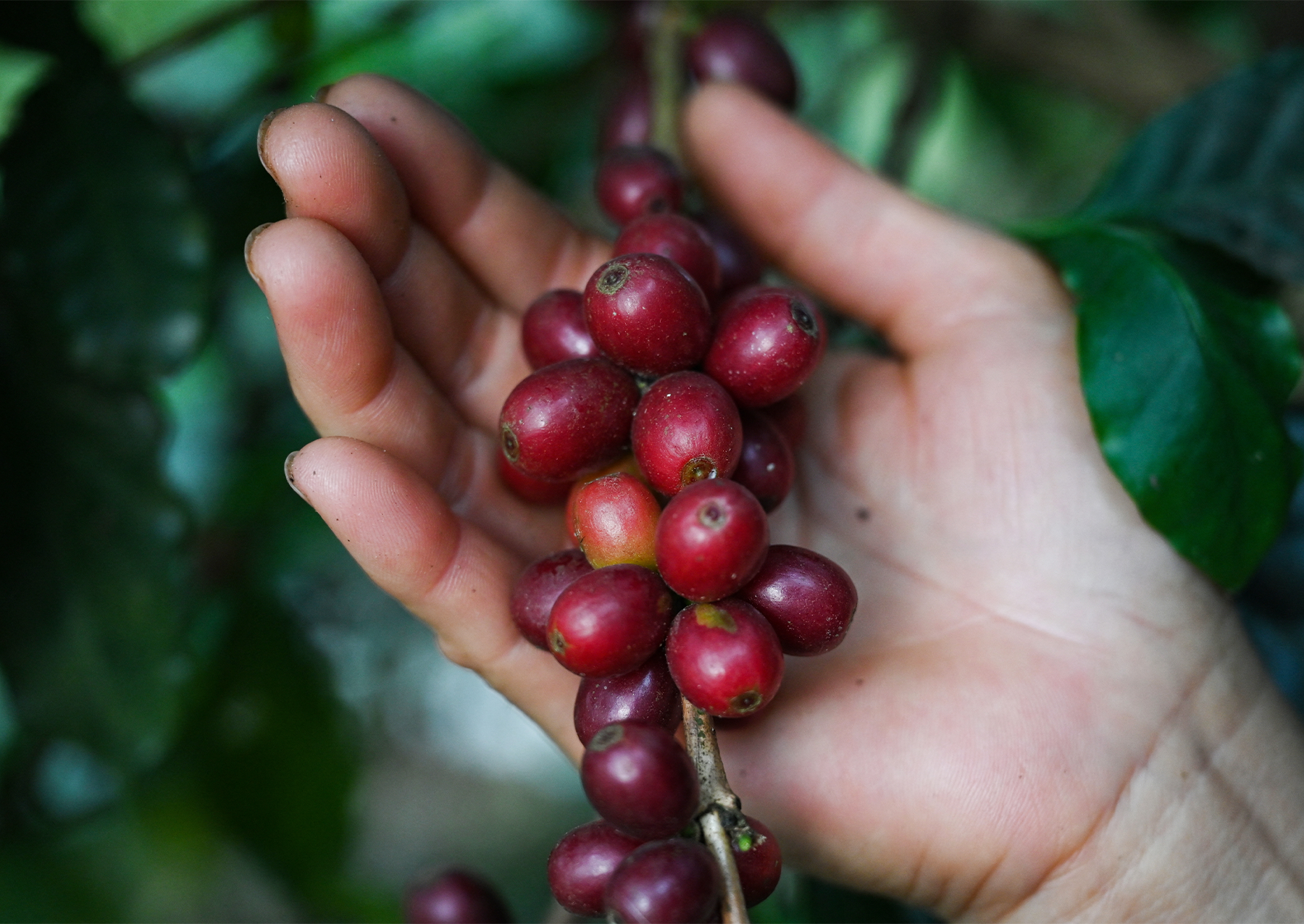
But the beans themselves are just the start of the flavor profile. “One thing that most coffee drinkers don’t fully understand is that what we call the bean is actually the seed that’s inside the fruit,” says Neuschwander. Popular science.
When it comes to harvesting and processing coffee, the ripeness of this fruit really matters for its taste. Indeed, the fruit itself, even removed from the coffee bean, leaves an imprint on the taste and aroma. There are several ways to extract the fruit from the seed or process the coffee, which eventually becomes a coffee bean. Stripping or crushing the fruit completely leads to a more perceived sour taste, says Smrke. Additionally, a washing process, which lets some fruit ferment on the seed, will result in a fruitier taste in your cup.
It’s time to roast
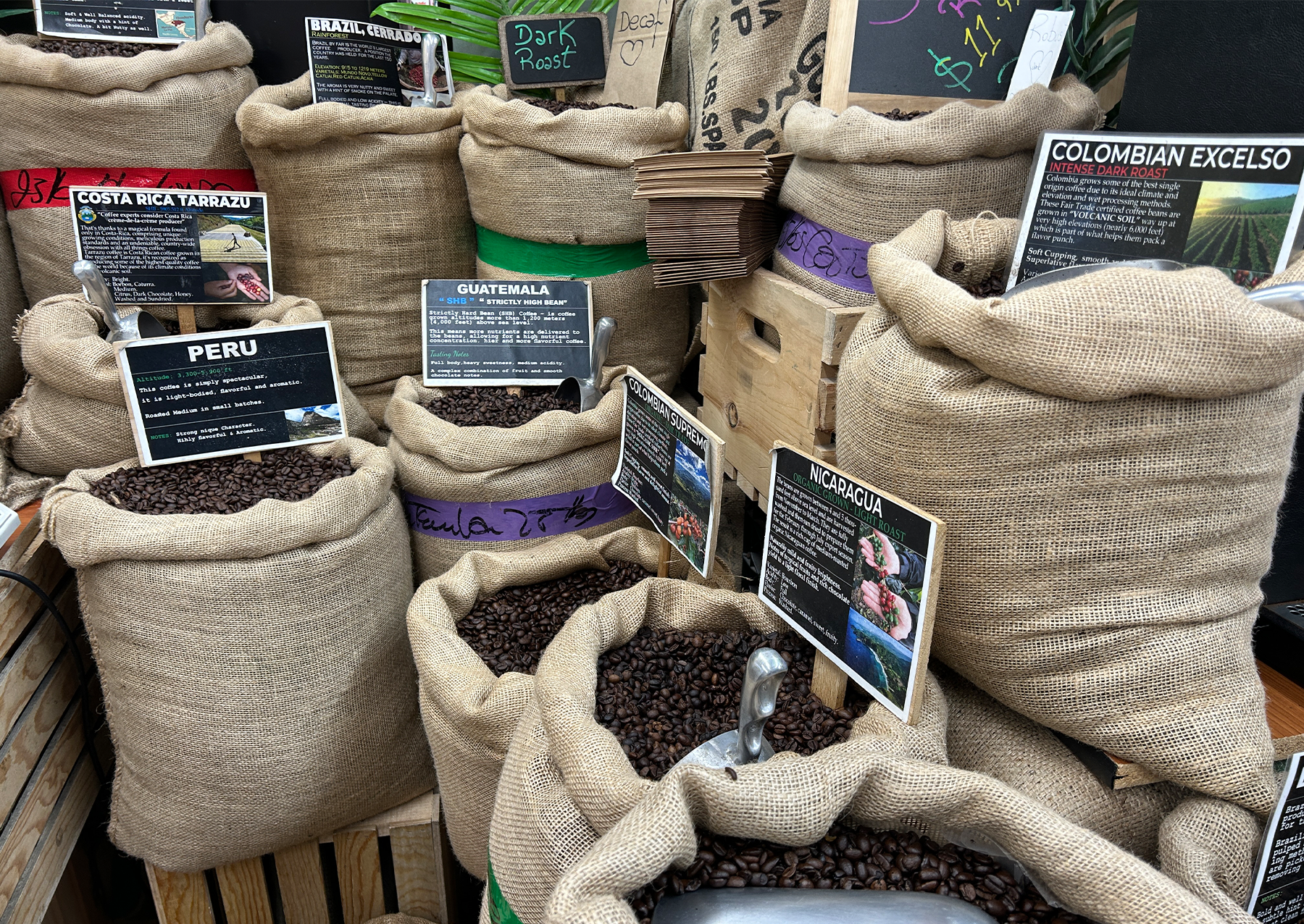
Once you have a processed bean, there’s still a long way to go before that bean smells close to a cup of coffee. These beans, also called “green” beans, have the precursors to those delicious java flavors, says Smrke. However, the compounds must go through a waking process called roasting. During roasting, a few processes occur in the beans. The most important of these is the Maillard reaction: a chemical reaction of sugars with amino acids gives coffee its characteristic roasted smell, Smrke explains.
Roasting, in terms of flavor, can be thought of as a battle between two different taste characteristics: acidity and bitterness. The more you roast a coffee bean, the more the acidic compounds will break down. This means that if you’re a fan of a more acidic brew, you’ll want to stick with a lighter roast. The bitterness comes out more during roasting. So, with a darker roast, you will feel more of the bitter taste of classic coffee. However, there is a caveat to this battle of flavors: the original taste, or distinctive tastes that come from the process well before the roaster, tend to disappear with heavier roasting.
[ Related: Scientists figured out the optimal cup of coffee. ]
“Seemingly minor, changes in the roast profile have a big impact on the final flavor of the cup,” says William Ristenpart, director of the University of California Davis Coffee Center. Popular science.
Once the coffee beans are roasted, it is best to give them a little break before getting straight into the preparation. That’s because freshly roasted beans contain a lot of carbon dioxide, Smrke explains, which means extracting them will be a frothy struggle. Dark roasts tend to require a break of about a month to six weeks before moving on to the next step, but this time frame is shorter for lighter roasts.
Coffee preparation
Just as there are countless ways to make a coffee bean unique, the same goes for brewing a cup of coffee. Generally speaking, a coarser ground coffee is perfect for French press or cold brew. When you venture out to a stovetop moka pot, espresso machine, or even Turkish coffee, that’s when finely ground coffee is essential for the most flavorful results.
The type of coffee and its age also play a role in how best to grind it. But to keep it simple, let’s start with the ever-popular espresso. To make espresso, a lighter roast coffee will need to be ground finer than a darker roast coffee, according to Smrke. And the fresher your espresso beans are, the coarser they should be ground. A coarser grind helps balance the foam of the crema – the fine level of foam on top of an espresso.
“As coffee ages, carbon dioxide is lost,” he explains. “This carbon dioxide creates crema when extracting the espresso, the crema impacts how much resistance you have or how easily it flows.”
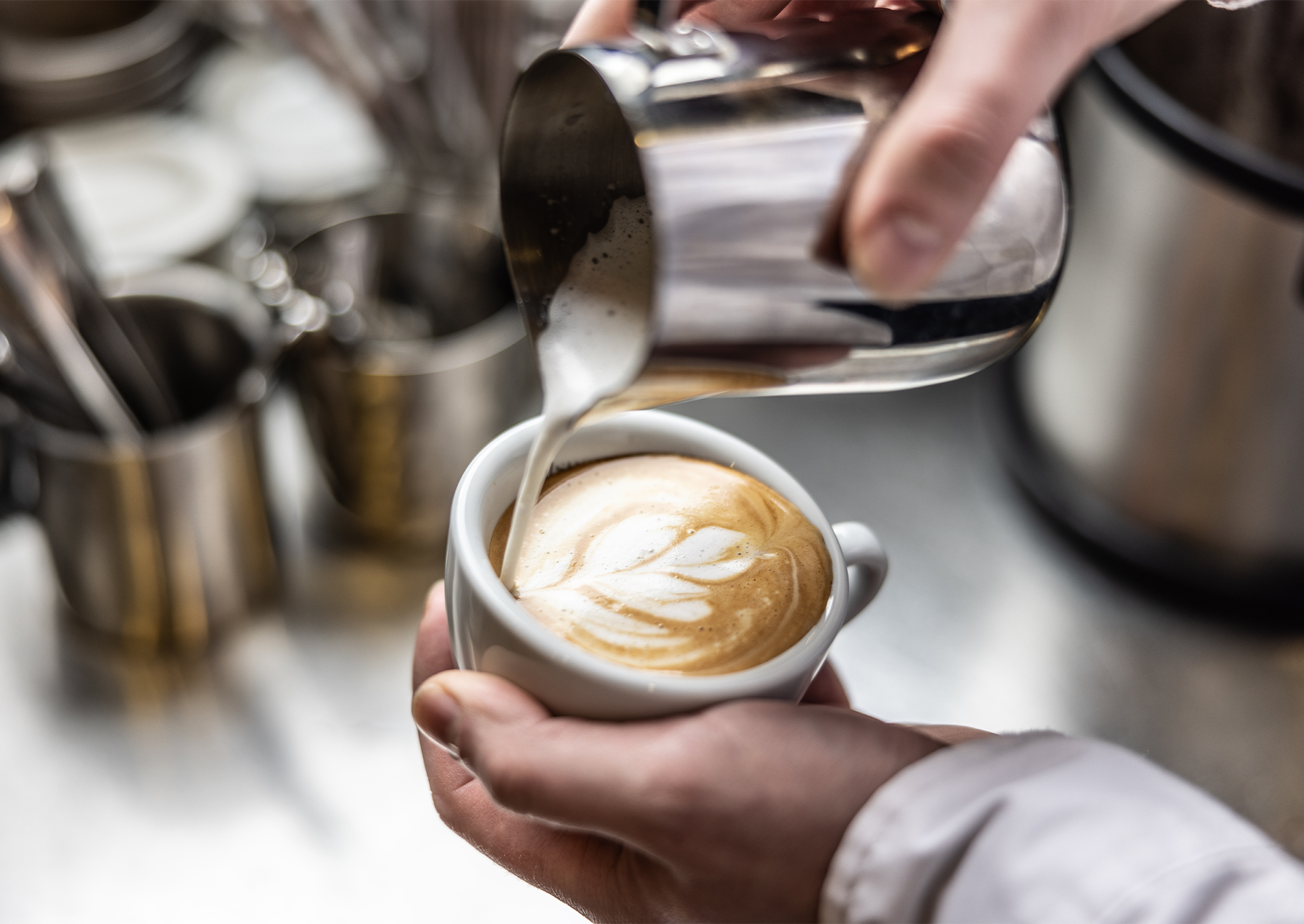
Water temperature also matters, says Kristine Nolin, a chemistry professor at the University of Richmond. Nolin advocates brewing coffee at a temperature slightly below 205 degrees Fahrenheit for perfect extraction.
“At higher temperatures, the amount of bitter flavor will increase due to the rapid extraction of more flavor molecules,” she explains. Popular science. “Boiling the water before brewing your coffee will cause the coffee to be deoxygenated, which will also cause a bitter flavor.”
But for baristas and amateurs alike, the real way to know your perfect brew is to play around with different beans, roasts, equipment, and techniques. Whether bitter or sour, caramelized or smoked, brewed hot or cold, there are an almost infinite number of ways to make yourself a cup of coffee that will caffeinate and delight.

Shop Amazon’s Prime Day Sale


