Ukraine’s military brings exoskeletons to the front line


After more than four years of war, Ukraine’s military says it is field testing an exoskeleton that can help soldiers more easily charge artillery and run at speeds of up to 12 mph for prolonged periods. These tests would constitute one of the first known examples of exoskeletons used on the front lines of an active military operation.
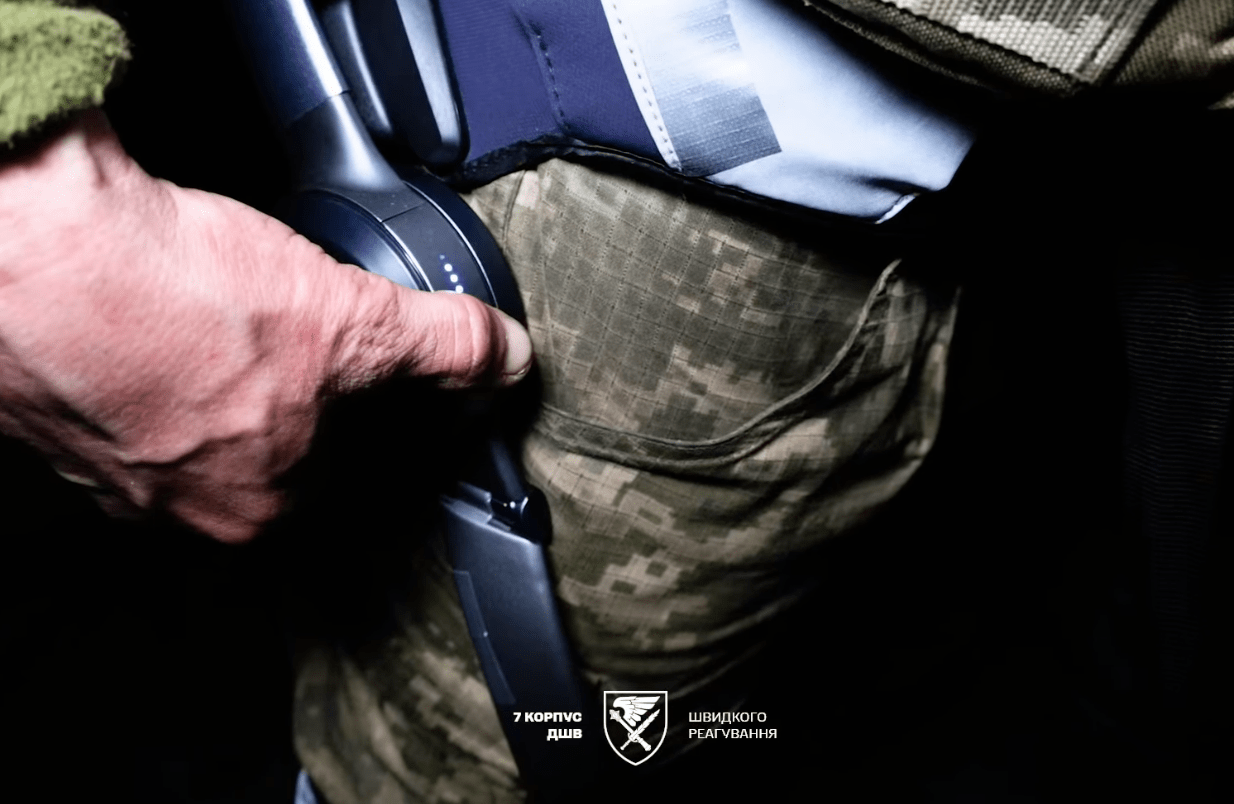
A Facebook video shared last week by Ukraine’s 7th Air Assault Corps shows a handful of soldiers donning the device while inside a muddy artillery trench. The device itself wraps around the soldier’s waist and legs and is supported by a back brace. The military claims this can reduce the overall load on the leg muscles by 30 percent. In practice, this means that these devices should make it easier for soldiers to pick up and load heavy artillery shells. Each cartridge can weigh up to 100 pounds, depending on the particular caliber used. Since a soldier on the battlefield may load several dozen of these groceries each day, all that weight adds up and can increase the risk of injury or fatigue.
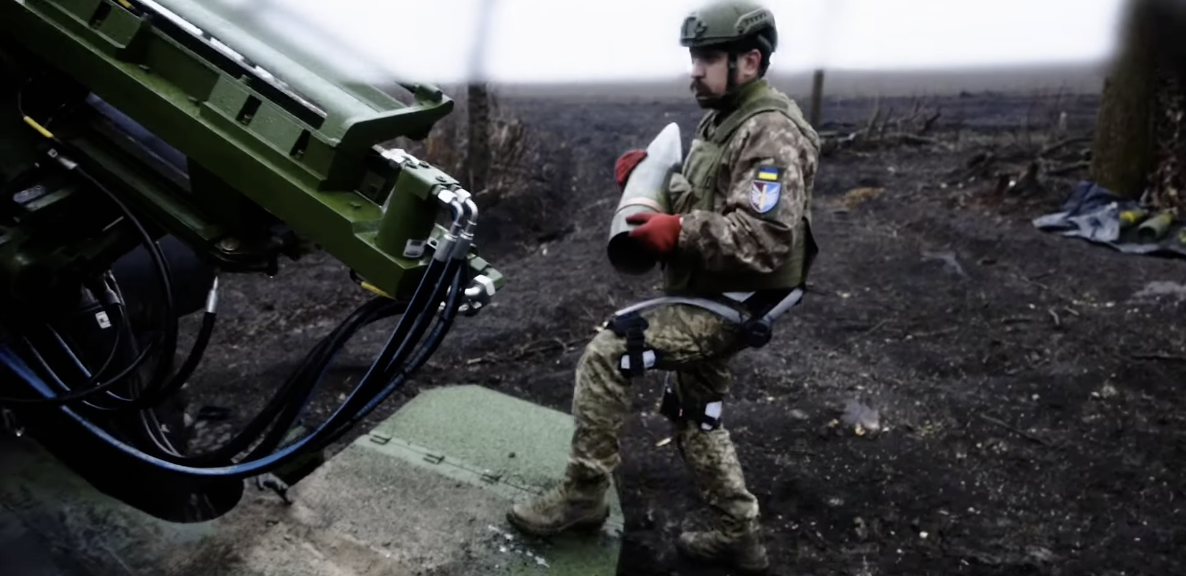
The exoskeleton can also help soldiers run more easily at speeds of 12 mph for up to 10 miles at a time. For comparison, the average jogging speed for an adult is between six and eight mph. A narrator in the video claims soldiers are preparing to use the devices on the military front outside Pokrovsk in eastern Ukraine.
“Every day, the artillerymen undergo significant physical effort. They transport 15 to 30 shells each day, each weighing around 50 kg. [110 pounds]”, said the deputy commander of the 7th Air Assault Corps, Colonel Vitalii Serdiuk. Ukrainian Pravda. “According to test results, they become less tired, work faster and remain combat effective longer.”
Related Stories
From hiking to war: how exoskeletons are evolving
Exoskeletons have existed in various forms for several decades. Outside of laboratories, the technology was initially used as a mobility aid for people with paralysis or severe gait disorders. More recently, workers at construction sites and major automakers, including Ford and BMW, have also begun using these devices to help them lift heavier loads for longer with less risk of injury. But the potential appeal of exoskeletons for military applications was there from the start, making them a mainstay of science fiction films and video games.
Ukrainian officials speaking in the video say this particular model comes from consumer-facing exoskeleton company Hypershell. This device weighs 5.2 pounds and is said to work with a connected app that takes into account details of the user’s height, weight, and gender. Built-in AI algorithms monitor the system and make real-time adjustments to adapt to the user’s individual gait. This device is the first widely available consumer exoskeleton. It comes in three different models, with the cheapest starting at $800. A critic of Fast business who tested the Hypershell skeleton last year, compared it to a “bionic layer”.
When reached for comment, a Hypershell spokesperson did not deny that their products were those featured in the videos and said they had no direct involvement with Ukraine or with military applications in general. They say their exoskeleton was intended for exploring nature, not loading weapons, and that they “reject any harmful use.”
“Our technology was created to support movement, not conflict,” Hypershell said. Popular science. “Hypershell exoskeletons are designed for civilian use, from outdoor recreation to mobility assistance and professional applications such as search and rescue. Hypershell does not market or sell our products for military purposes and we do not support or condone any military applications of our technology.”
But consumer technology makers have limited control over how their buyers can use their products. It is common knowledge that a large part of Ukraine’s drone arsenal consisted of commercially available hobbyist drones purchased online. It’s possible something similar could happen with exoskeletons.
The Ukrainian army is not the only one interested in exoskeletons. For several years, the US Army has been testing its own device called Soldier Assistive Bionic Exosuit for Resupply (SABER). Russian military forces have also tested their own exoskeleton, specifically intended for soldiers loading artillery shells.

The best new PopSci 2025 releases


