Trump admin offers $2,500 stipends for unaccompanied migrant teens to leave US


NEWYou can now listen to Fox News articles!
The Trump administration now offers migrant adolescents an allocation of $ 2,500 to voluntarily leave the United States, according to several reports citing a letter sent on Friday by the Ministry of Health and Social Services (HHS) Resettlement Bureau for shelters to shelter migrant children.
According to the letter observed by Reuters and other points of sale, the ministry will provide a “unique resettlement allocation of $ 2,500” to unaccompanied children aged 14 or over.
Immigration and customs application (ICE) have not confirmed the monetary amount to Fox News Digital, but said that unaccompanied extraterrestrial children (UAC) could access financial support when they return home, if they chose this option.
Trump administrator reports that 2 million illegal foreigners have been deleted or self-supported by us in the first 8 months
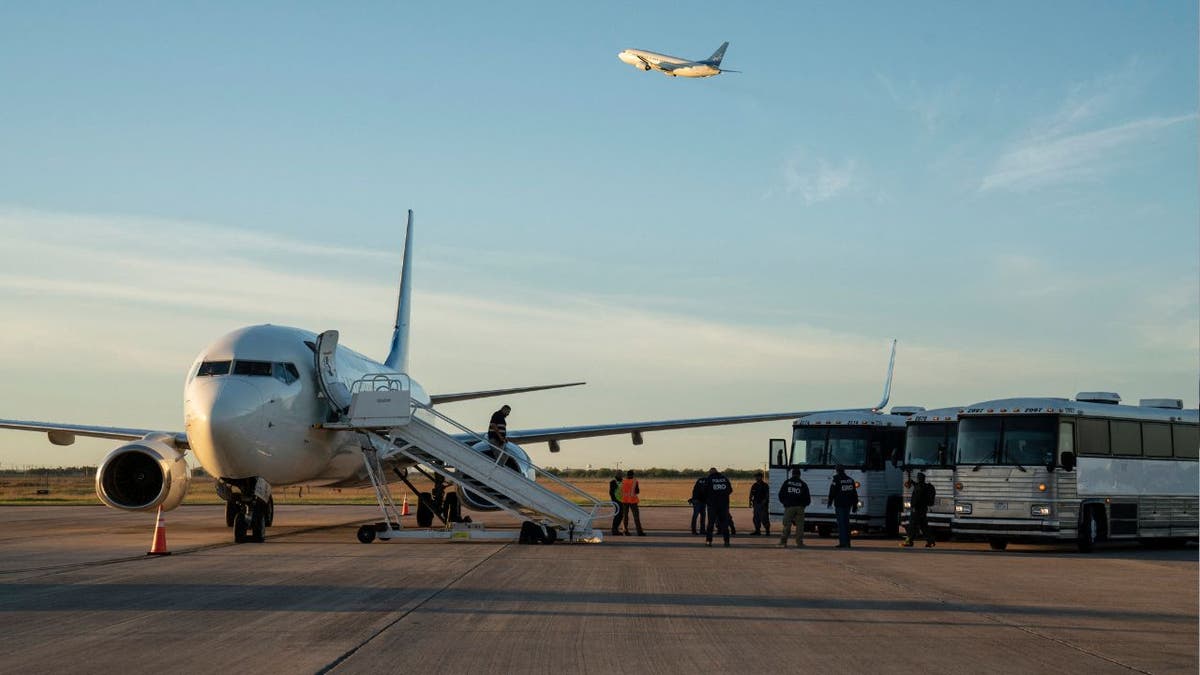
Buses carrying migrants to climb aboard an illegal venezuelans deportation flight after an American-on-meetings (Veronica G. Cardenas / AFP via Getty Images)
“All payment to support a return home would be provided after an immigration judge has granted the request and that the individual arrives in his country of origin,” said Emily Covington, deputy director of the ICE public affairs office, in a statement. She said that the offer was first made to 17 -year -olds.
Covington said that the cartels had treated countless unaccompanied children in the United States during the Biden administration, and that the Ministry of Internal Security (DHS) and HHS have diligently worked to ensure the safety and well-being of these children.
“Many of these UACs had no choice when they were dangerously smuggled in this country,” she said. “ICE and the Refugee and HHS resettlement office offer a strictly voluntary option to go home to their families.”
Mexico miners are not eligible for the program, but children who had already volunteered to leave the United States from Friday would be covered, according to the letter.
The Associated Press said that some immigration defenders had warned of a wider withdrawal campaign they called “Freaky Friday”.
Ice rejected this assertion, Covington calling on it “categorically false” and saying that the sentence had been made to “instill fear and spread a disinformation which leads to the increase in violence against the application of federal laws”.
This decision is part of President Donald Trump’s campaign promise to carry out the greatest national deportation operation in American history.
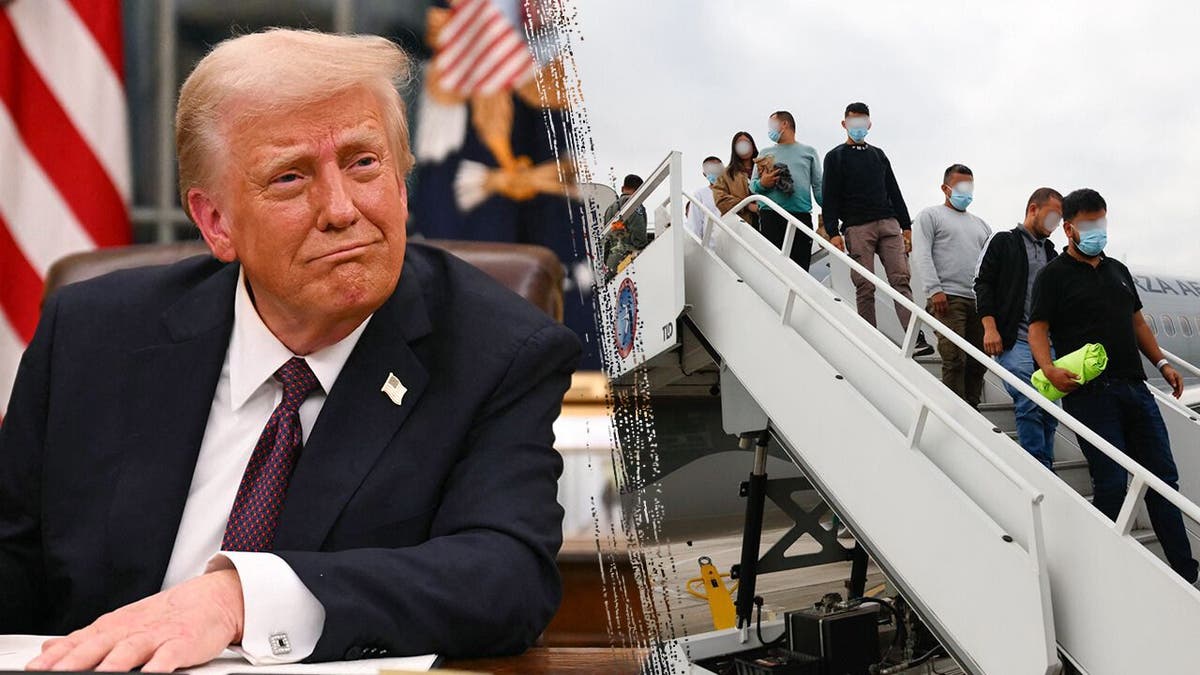
President Donald Trump and expelled migrants in Colombia. (Jim Watson / AFP, left and Colombian government.)
Ice holders in the city of Top Sanctuary have skyrocketed under Trump compared to the mandate of 4 years of Biden: Dhs
Last month, the DHS said that two million illegal immigrants “were deleted or settled” from the United States since January 20, putting the Trump administration on the pace to break records.
In less than 250 days, around 1.6 million illegal immigrants have voluntarily self-depressed, while 400,000 were withdrawn by federal police, said the DHS, describing the situation as a “new stage”.
In May, Trump signed an executive decree establishing the very first self-carrying program which encourages illegal migrants to voluntarily leave the country on a free flight and with a cash bonus.
Homeland Security said migrants were offered an allowance of $ 1,000 each to leave. The ministry said it was 70% cheaper for American taxpayers because it currently costs DHS on average, more than $ 17,000 to stop, hold and expel someone.
In June, the State Department transferred $ 250 million to DHS for voluntary deportations.
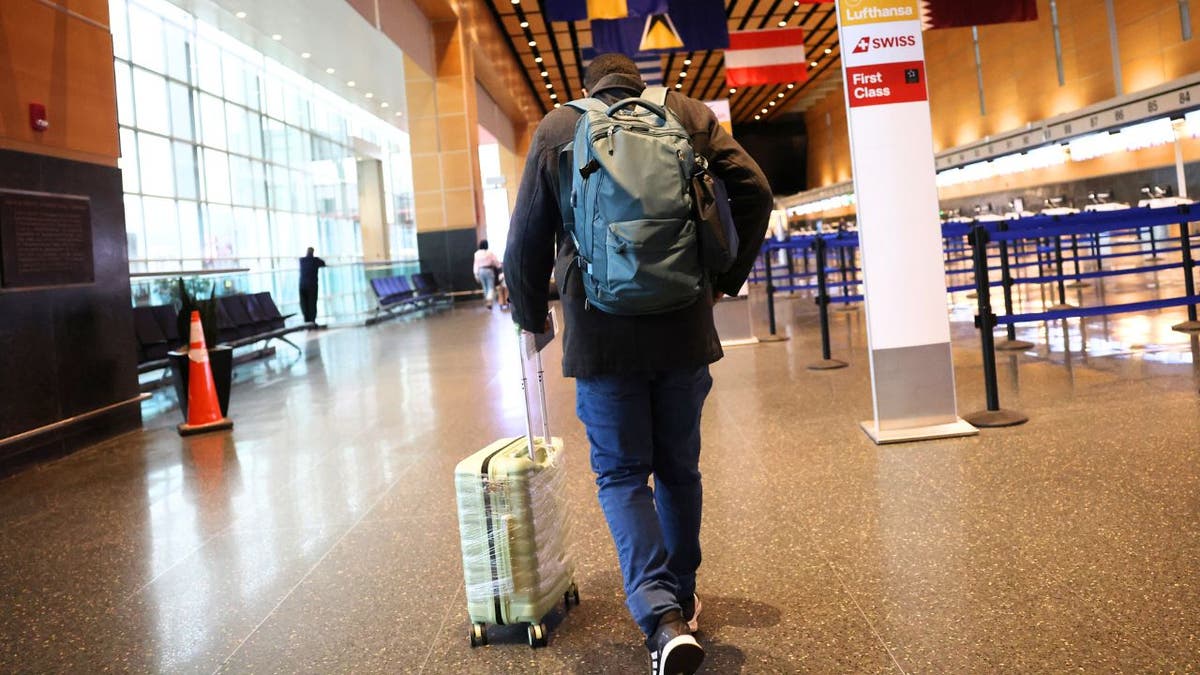
A migrant draws his suitcase via the Logan International Airport E terminal before boarding a return flight. (Jessica Rinaldi / The Boston Globe via Getty Images)
Click here to obtain the Fox News app
Shaina Aber, executive director of the Acacia Center for Justice, a non -profit organization that provides legal defense to immigrants, said in a statement that the allocation of $ 2,500 undermines the regular procedure and could expose children to renewed traffic cycles.
She said that some of these children were treated in the United States, often by cartels or smugglers, and if they are returned without guarantees, they could fall back between the same traffickers.
“DHS’s message is confusing and seems to fly to the laws and established protocols that Congress has adopted to protect children from cyclic traffic risks,” said Aber.
The Associated Press contributed to this report.