Unitree robots just got a scary vulnerability, and researchers warn it could technically spread like a digital virus


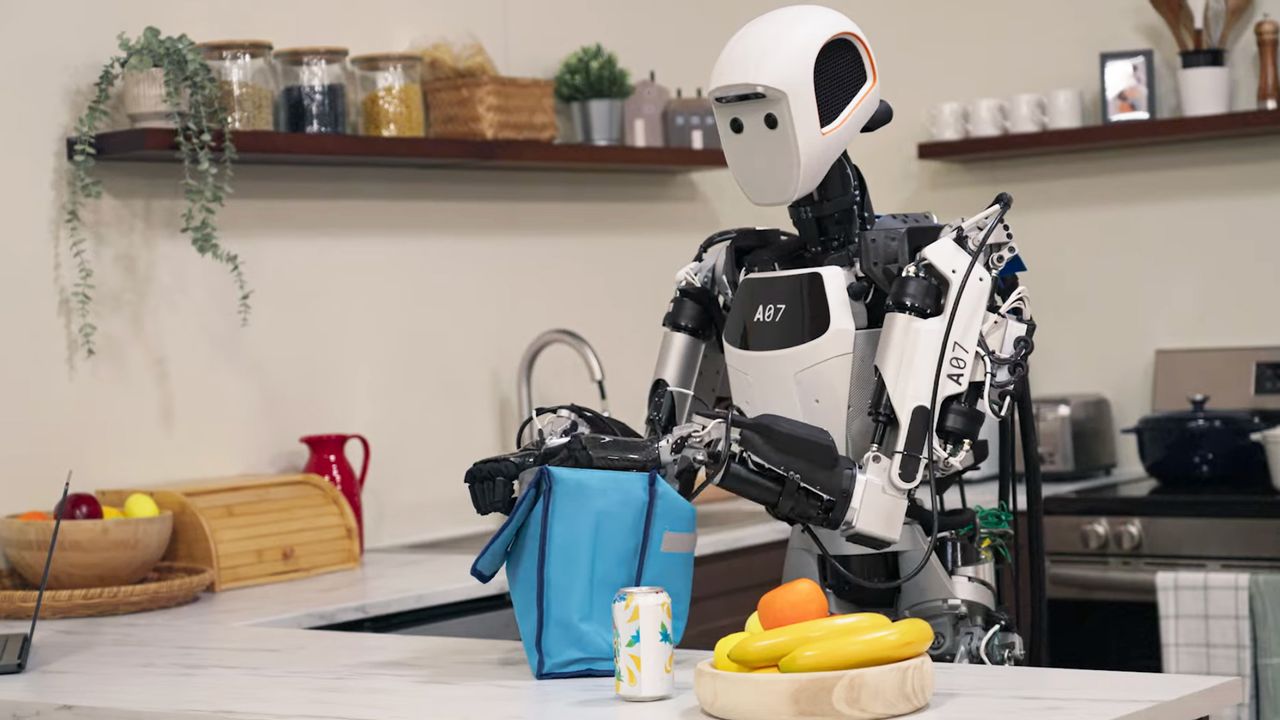
- UniPwn leverages Unitree bots, enabling remote root access via network services
- The vulnerability combines hardcoded keys, weak handshakes, and dangerous command execution.
- Compromised devices could attempt lateral movement through nearby robots via wireless links
Security researchers Bin4ry and d0tslash published a paper on GitHub about an exploit called “UniPwn” that affects several Unitree product lines.
The vulnerability affects G1 humanoids, Go2 and B2 quadrupeds, and can be used to escalate privileges to root.
It appears to chain together weaknesses that, when combined, allow remote commands to be injected into affected devices.
How Vulnerability Works and Why It Matters
The set of vulnerabilities reportedly includes hardcoded cryptographic keys and a handshake that only checks the string “unitree”, and also includes unsanitized user data concatenated into shell commands executed by the system.
These elements combine to form an unusually simple path from a network packet to the execution of arbitrary code.
Because the exposed service accepts wireless connections, a compromised unit can receive commands and attempt to influence devices within radio range.
This changes the threat model from a single exploited device to potential lateral movement through nearby units.
Researchers say the exploit leverages a Bluetooth Low Energy and Wi-Fi setup service.
This means that a compromised unit can receive commands via wireless links and potentially attempt to influence devices within radio range.
Researchers describe parts of the UniPwn chain as “wormable,” meaning that successful exploitation can allow malicious code to persist and attempt to spread, increasing risk because it could allow automated propagation between accessible devices.
Yet the worming behavior observed in testing does not guarantee rapid spread in the real world.
Real-world propagation depends on device configuration, network segmentation, firmware diversity, physical proximity, pace of vendor patching, and operator practices.
Controlled laboratory tests may show capacity, but spread in the field will be shaped by these operational factors.
Thus, this first robot-to-robot viral infection remains unlikely, although manufacturers and operators would be unwise to consider this a distant theoretical threat.
Independent research into jailbreaking LLM-powered bots increases the urgency of these technical findings.
A project known as RoboPAIR demonstrated that carefully crafted prompts can coerce robot controllers, including the Unitree Go2, into harmful actions.
Reported scenarios include converting robots into covert surveillance platforms and guiding them to plant explosives.
The RoboPAIR team reported high success rates when they provisioned the target robot’s API and formatted the prompts that the API executed as code.
Combining LLM jailbreak techniques with low-level remote command injection expands the attack surface.
Indeed, a single compromise could both defeat the model’s protections and execute arbitrary system commands.
Therefore, this disclosure should prompt immediate mitigation efforts, clearer communication with vendors, and realistic threat modeling to avoid avoidable harm.
The nature of this flaw is technically notable, and if it were used as a weapon, the consequences could be serious.
Via Toms Hardware
Follow TechRadar on Google News And add us as your favorite source to get our news, reviews and expert opinions in your feeds. Make sure to click the Follow button!
And of course you can too follow TechRadar on TikTok for news, reviews, unboxings in video form and receive regular updates from us on WhatsApp Also.
You may also like


