‘Universal’ cancer vaccine heading to human trials could be useful for ‘all forms of cancer’


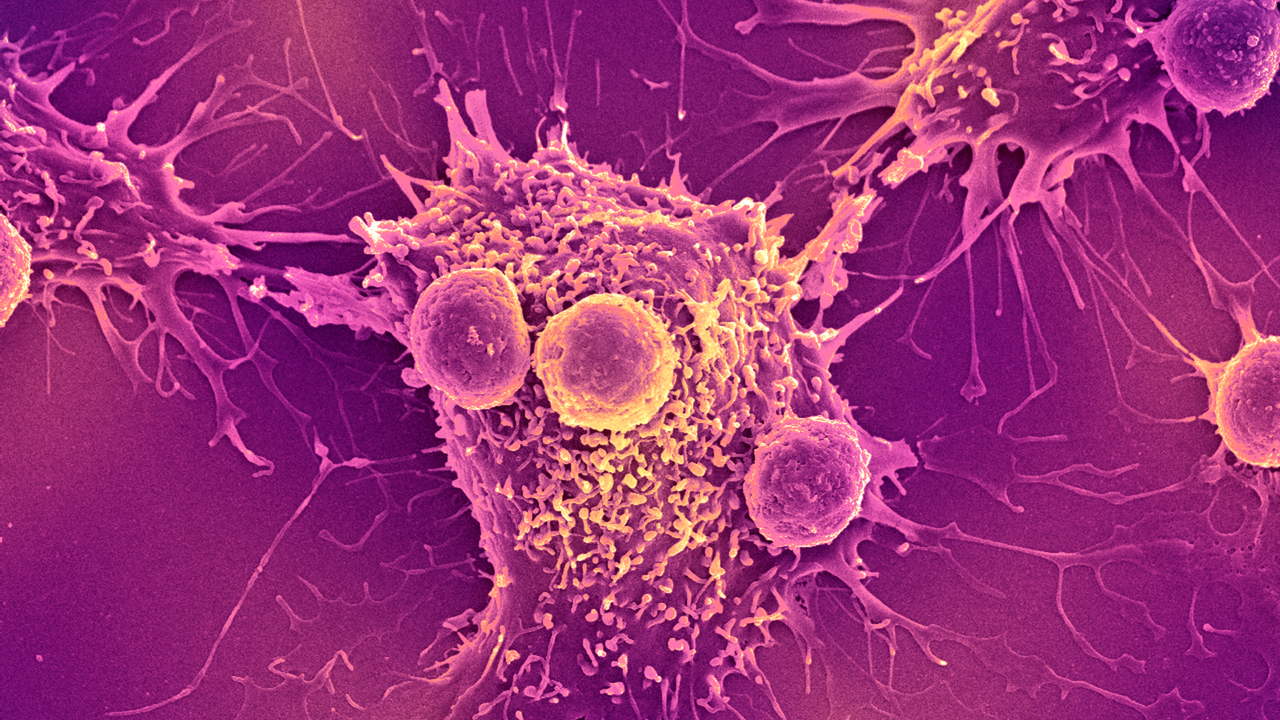
A developing universal cancer vaccine could help increase the immune system against tumors and overeat the effects of existing cancer therapies, suggests an animal study.
Similar to vaccines for viral infections like flu, many cancer vaccines are designed to help the immune system recognize specific proteins. However, although conventional vaccines aim to prevent diseases, cancer vaccines are currently developed to eliminate cancers already growing in the body and to help prevent cancer treated from returning.
However, conventional vaccines and cancer vaccines often work in the same way. The flu is leading to the immune system to search for unique proteins found on the surface of flu viruses, while cancer vaccines generally teach immune cells to identify unique characteristics of cancer cells.
But there is a challenge: these cancer proteins of interest can often be unique to individual patientsThis means that each cancer vaccine may need to be specially formulated for each patient. Although it is possible to Develop such personalized vaccinesThey take the time to do – and, in the meantime, the patient’s patient cancer, which potentially made the vaccine less effective.
“This can be months from the moment you get a patient specimen when he really has personalized therapy,” said the main study of the study Dr Elias SayourA pediatric oncologist at the University of Florida Health. Sayour and his colleagues wondered if they could conceive of a cancer vaccine which would not require this personalization and would rather ignite a general immune response to maintain cancer at a distance.
“The idea that something could be available immediately, although in a non -specific manner … could be revolutionary for the way we sprinkle therapy and the way we manage patients,” said Sayour live.
In relation: A new mernm vaccine for fatal brain cancer triggers a strong immune response
A “standard” cancer vaccine
The experimental vaccine, described in a report published on July 18 in the journal Biomedical engineering of natureis built on the messenger RNA (Mrnm), which also formed the basis of Vaccines of the first co-via-9 who continue to be updated now.
MRNA acts as plans on which cells then base new proteins. In COVVI-19 vaccines, the molecule contains instructions for a little coronavirus; In the new cancer vaccine, he carries instructions for a substance that increases the immune defenses of the first line of the body, spicy the innate “immune system rather than for” adaptive “.
In particular, the vaccine aims to stimulate the production of the body of type I interferons – immune messengers who play an important role in controlling inflammation and identify cancer tumors in order to eliminate them. In a series of experiences on laboratory mice, researchers have shown that this signage is essential to stifle tumors at the start of their development. Signals help rally the immune system to attack tumors and hinder cancer growth, and if you block them, tumor growth becomes unlocked.
In addition, these experiences have shown that this early interferon activity is vital for a common form of cancer treatment, called immune control point inhibitors. These treatments tear the breaks from immune cells so that they maintain a high level of activity and effectively kill cancer.
Cancer has ways to divert interferon signals and thwart the following anti -cancer immune response – so that the cancer vaccine acts as a kind of immune “reset”, said Sayour.
The researchers used the vaccine in combination with a control point inhibitor in a mouse melanoma model, a type of skin cancer. In mice with tumor -resistant tumors, the treatments combo has worked better than inhibitors of a checkpoint alone, noted the team. They also tested the vaccine by itself in mouse models from other cancers, including glioma (brain cancer) and pulmonary osteosarcoma (bone cancer distributed to the lungs). He showed promising anti-cancer effects when applied by himself.
For these first works, the team tested some different mRNA formulations to arouse interferon’s response and found that everyone did it effectively. No more work is necessary to understand if the molic molecules themselves or the proteins they do to do are more important to trigger this generalized response, noted Sayour.
This study focused on solid tumors, which tend to be more resistant to immunotherapy than blood cancers, said Sayour. But “I personally think it can be used for all forms of cancer,” he added. “I think it’s a universal paradigm that can be used to treat cancer.” In particular, he could see him applied as a secondary prevention, to help prevent cancer treated from returning.
“This exciting and new document shows promising evidence that giving the immune system a boost targeted at the right time can help tumors who are insensitive to respond to immunotherapy,” said Diana AzzamAssociate Professor and Scientific Director at the Center for Advancing Persualized Cancer Treatments at Florida International University.
“This approach could be particularly useful for” cold “tumors- types of cancer that generally do not trigger a strong immune response, such as pancreatic, ovary and certain types of breast cancer,” said Azzam, which has not been involved in the study, told Live Science in an email. These tumors are hidden from the immune system and may be difficult to target with Immunotherapy, it is therefore possible that this type of vaccine can help expose these cancers to attack.
“Although more research is necessary to confirm to what extent this approach will work in people, the encouraging results in mice offer a solid base,” said Azzam. In people, you would like to make sure that the vaccine mounts a useful immune response without causing unwanted long -term inflammation, for example. “Future studies will tackle key issues concerning safety, consistency and long-term efficiency in patients with real world cancer,” she concluded.
In the meantime, Sayour and his colleagues have launched a human test testing a safe approach: A standard cancer vaccine followed by a personalized vaccine. They work with patients with two types of recurring cancer: either a high -grade pediatric glioma or osteosarcoma.
“This approach allows a precious time necessary for personalized vaccinations and can induce rapid immunity that can be more entered by personalized therapy,” said Sayour.
This article is for information only and is not supposed to offer medical advice.


