Did You Know That the Risk of Nuclear War Is Greater Now Than in Decades?


July 8, 2025
A new global coalition is taking the moment to campaign for a stop and a reversal of the nuclear arms race.
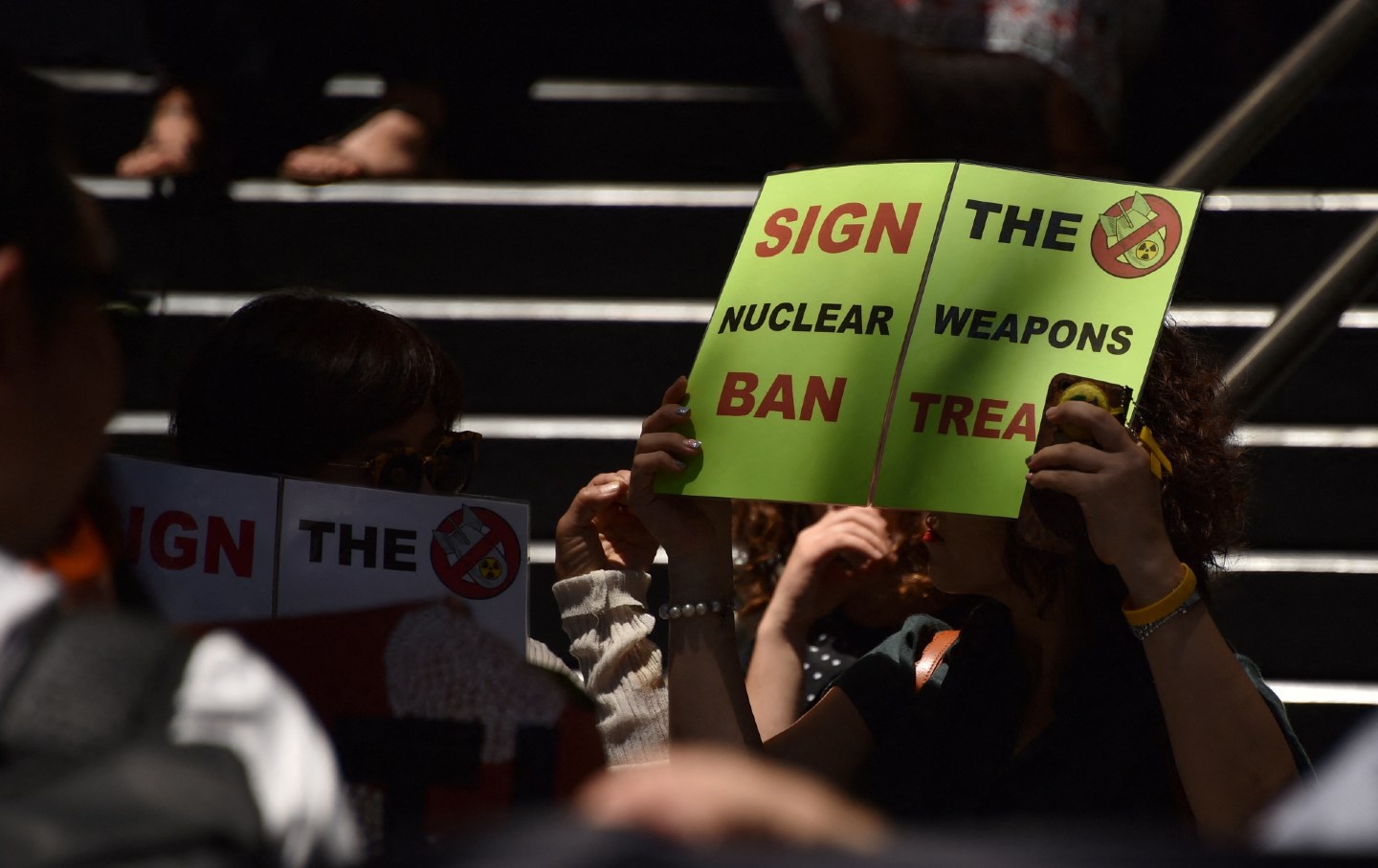
The risk of nuclear war is now higher than in the decades and increasing. Russia improves its missile systems and has threatened to use nuclear weapons. The United States is engaged in a massive program to rebuild and improve its nuclear arsenal, which costs taxpayers about a Billion of dollars over the next decade. The series of American weapons will include new nuclear bombs and improved delivery systems that improve the salary capacity of the nuclear war.
China extends its nuclear weapons systems, India and Pakistan are locked in a deadly arms race, and North Korea continues its nuclear program. Israel has bombed Iran to block its uranium enrichment program but remains silent on its estimated arsenal of 80 nuclear weapons.
The weapon limitation treaties which previously kept against unstuted nuclear competition between the United States and Russia have been rejected. The remaining agreement, New Start, expires in February without any negotiations in progress for renewal, while Washington and Moscow take place and delay the talks that could reduce nuclear risks. In the absence of new constraints, the two parties could download new warheads and double the number of nuclear weapons deployed in the coming years.
Despite the growing danger, public awareness remains low. The media coverage of nuclear risks has been limited, with the notable exception of William Hennigan’s “At The Brink” series for The New York Times. Public attention increased slightly last year with the release of the film Oppenheimer and the publication of Annie Jacobsen’s best -selling book Nuclear war: a scenarioBut the moment has passed.
The montage nuclear danger requires an action. Managers of more than two dozen weapons reduction groups and individuals met to make a global appeal for the United States and other countries to stop and reverse the nuclear arms race. The task is intimidating, but the urgency of the threat leaves us no choice but to express themselves. Inspired by the freezing campaign for nuclear weapons and disarmament movements 40 years ago and the June 1982 gathering of 1 million people at Central Park to freeze and reverse the arms race, groups call for the end of the construction of new nuclear and weapons bombs systems on all sides, including the United States, Russia and China.
Building opposition to the growing nuclear danger today will require to draw from the power and energy of the anti-top resistance. Massive mobilizations and no mobilization of Kings were on a historic scale and have the potential to transform the political landscape, but they focused mainly on domestic issues. Problems of military expenditure and nuclear weapons were mentioned during certain events but not with sufficient attention or emergency.
Current number
A coalitional approach is necessary which links opposition to war and the nuclear arms race with anti-Trump mobilizations for social justice and the defense of democracy. This will require dialogue and mutual support between a range of movements. The goal is to build mutual trust networks in which separate groups can cooperate, especially when enormous increases in nuclear spending are at the expense of urgent necessary social programs. An example is the recently announced increase by 53% of the budget for the 2026 financial year proposed for the nuclear warhead complex, while the new MGA Budget Bill reduces MEDICAID funding.
The key to effective collaboration between movements is clear messages and common requests that can be shared with the media and between political allies. An example of this is the slogan recently developed by Win Without Withing, Moveon and other groups at the time of strikes against Iran and the debate of the budget bill in the Congress, “Healthcare Not Warfare”.
Groups approving the world attraction ensure around the message: “More nuclear weapons will not make the world safer.” The attraction embodies this message in an easily understandable proposal which, hopefully, can attract large popular support. It starts:
We call on the leaders of the United States and other nuclear weapons to immediately put a mutual and verifiable judgment to the deployment and development of more nuclear bombs and nuclear weapons systems. Such a judgment would reduce nuclear weapons soaring and would help redirect resources to meet human needs, including programs to alleviate health and environmental damage caused by eight decades of trials and nuclear weapons. We affirm the Reagan-Gorbatchev Maxim, reiterated by the five original states of nuclear weapons: “A nuclear war cannot be won and should never be combated.”
The new initiative is launched this summer in collaboration with the 80th anniversary of the bombing of Hiroshima and Nagasaki. He will reach the districts of peace and the reduction of arms to engage with religious communities and groups of social justice. We offer the call as a tool to build resilient and mutually favorable movements to reduce the risk of nuclear weapons while defending democracy and social justice at home.


