How the War Has Led to the Largest Disruption of Energy Supplies in Decades


March 25, 2026
Unless a solution is found, the impact is likely to increase.
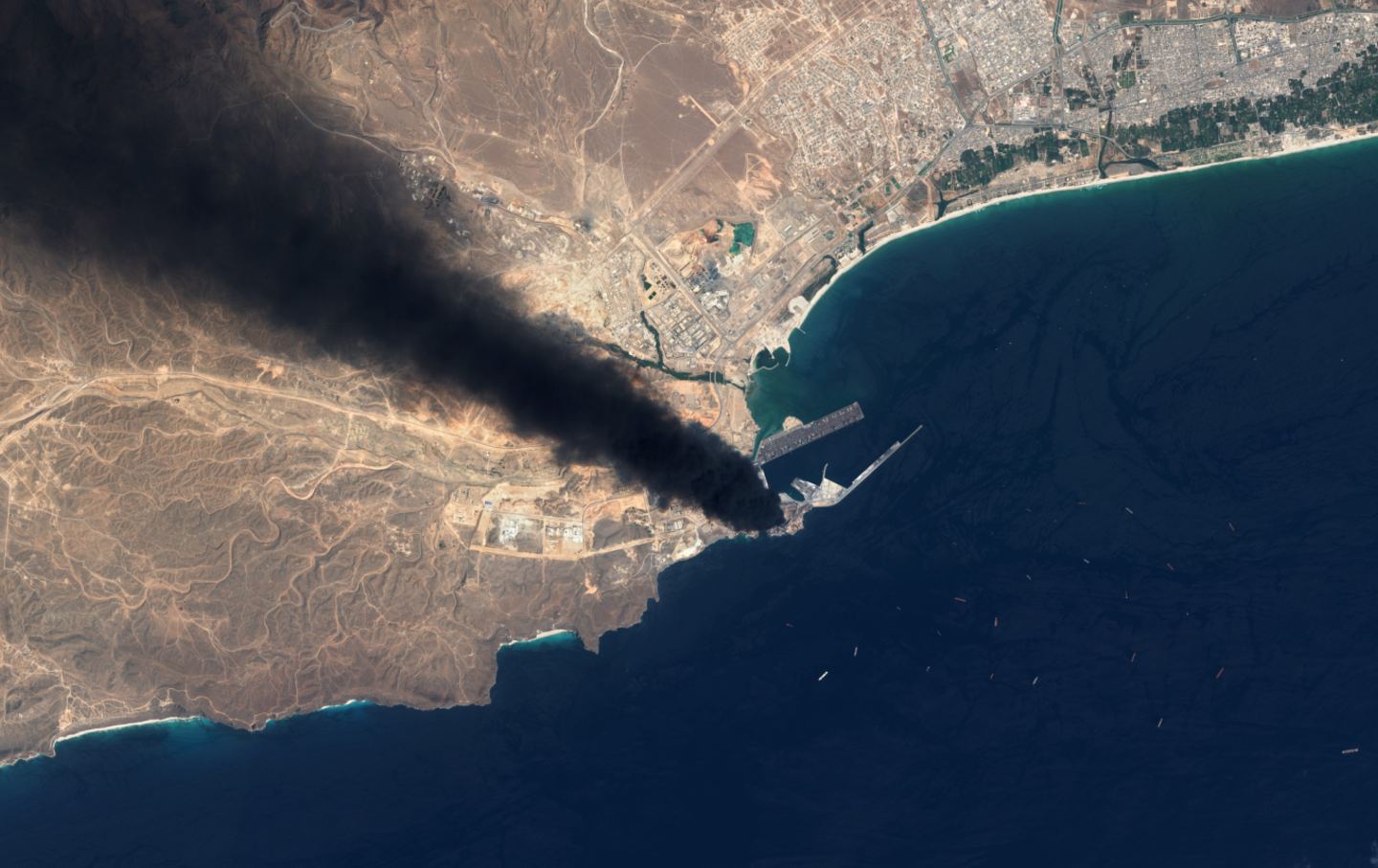
The war launched by Israel and the United States in the Persian Gulf has already led to what some analysts say is the biggest disruption to energy supplies in decades. Unless a solution is found, the impact is likely to increase. “We are already in a very serious scenario, but there is still room for the situation to get worse,” said Richard Bronze, head of geopolitics at Energy Aspects, a London-based market research firm.
While the US and Israeli militaries have carried out surprising assassinations of Iranian leaders and destroyed numerous weapons, Iran has managed to score points. “Iran has understood where our problem is,” Sam Mundy, a retired U.S. Marine lieutenant general, said during a webinar hosted by the Middle East Institute, a Washington-based research group.
Current number

In what may partly be an effort to calm struggling markets, President Trump said in a social media post Monday that the United States and Iran have had “very good and productive conversations regarding a complete and total resolution” to the conflict.
Brent crude had climbed to around $114 a barrel on Monday after President Trump’s threats over the weekend to hit Iranian power plants unless Iran opened the Strait of Hormuz. Trump said Monday he would postpone those attacks for five days to allow for negotiations.
Iranian officials have denied that talks took place. On social media, Mohammad B. Ghalibaf, speaker of Iran’s parliament, rejected Trump’s account, calling it an attempt to “manipulate the financial and oil markets.”
The strait, a narrow exit from the Persian Gulf, is the main pressure point mentioned by General Mundy. Threats to shipping, backed by actual attacks, have reduced the flow of tankers through the strait, which normally accounts for about 20 percent of global oil consumption, to a small number of ships, mostly chosen by Tehran.
The removal of a large amount of oil has dramatically changed the mood in the market, transforming expectations of a glut into fears of a shortage. On Monday, Brent crude, the international benchmark, was trading at around $102 a barrel, up about 40% since the start of the war.
Other petroleum types and products, such as jet fuel, are sold at much higher prices, particularly in Asia, the main destination for Gulf oil. Oman crude, located outside the Gulf entrance, was selling at $185 a barrel on Monday “as Asian refiners panic-buyed to meet demand,” wrote Henning Gloystein, director of energy at Eurasia Group, a political risk firm.
Energy prices are also rising for Americans. The average price of regular unleaded gasoline in the United States rose nearly $1 to $3.93 per gallon from February, according to GasBuddy, a consumer website.
High oil and natural gas prices are already fueling expectations of higher inflation, as shown by rising interest rates on government bond yields in countries like Britain and the United States.
The war appeared to threaten to enter a dangerous new phase when, on March 18, Israel struck processing facilities at Iran’s giant South Pars natural gas field, which supplies much of the country’s energy needs. Iran responded by launching missiles at Ras Laffan, an area in the emirate of Qatar, hitting gas processing facilities partly owned by energy giants Shell and Exxon Mobil. Saad Sherida Al-Kaabi, Qatar’s minister of state for energy, said in a statement Friday that the damage would take three to five years to repair and cost the country $20 billion a year.
It is hard not to notice Iran’s warning to neighboring Arab states like Qatar, the United Arab Emirates and Saudi Arabia, which are closely allied with the United States. Not only will Iran attempt to target the oil and gas developments that have made these countries rich, but continuing the war risks spoiling the future they aspire to as financial and artificial intelligence centers.
Popular
“Swipe left below to see more authors”Swipe →
The war not only damages infrastructure and hampers exports, but also threatens to make these countries less attractive to the bankers and information technology professionals they likely need to realize their ambitions. The war could “hurt the ability to attract the creative classes,” said Mehran Kanava, a professor of government at Georgetown University’s campus in Doha, Qatar.
“These are states whose development ambitions far exceed their demographic realities,” he added.
Even before February 28, the reasons for Donald Trump’s imploding popularity couldn’t have been clearer: rampant corruption and billions of dollars’ worth of personal enrichment during an affordability crisis, a foreign policy guided solely by his own abandoned sense of morality, and the deployment of a murderous campaign of occupation, detention, and deportation on American streets.
Today, an undeclared, unauthorized, unpopular and unconstitutional war of aggression against Iran has spread like wildfire across the region and Europe. A new “forever war” – with an ever-increasing likelihood of US troops on the ground – could very well be upon us.
As we have seen time and time again, this administration uses lies, misdirection, and attempts to flood the zone to justify its abuses of power at home and abroad. Just as Trump, Marco Rubio, and Pete Hegseth offer erratic and contradictory justifications for attacks on Iran, the administration is also spreading the lie that the upcoming midterm elections are threatened by non-citizens registered to vote. When these lies go unchecked, they become the basis for further authoritarian encroachment and war.
In these dark times, independent journalism is the only one that can uncover the lies that threaten our republic – and civilians around the world – and shine a light on the truth.
The nation‘s experienced team of writers, editors and fact-checkers understand the scale of what we face and the urgency with which we must act. That’s why we publish critical reporting and analysis on the war with Iran, ICE violence at home, new forms of voter suppression emerging in the courts, and much more.
But this journalism is only possible with your support.
This month of March, The nation must raise $50,000 to ensure we have the resources to produce reports and analysis that set the record straight and empower people of conscience to organize. Will you donate today?
More than The nation
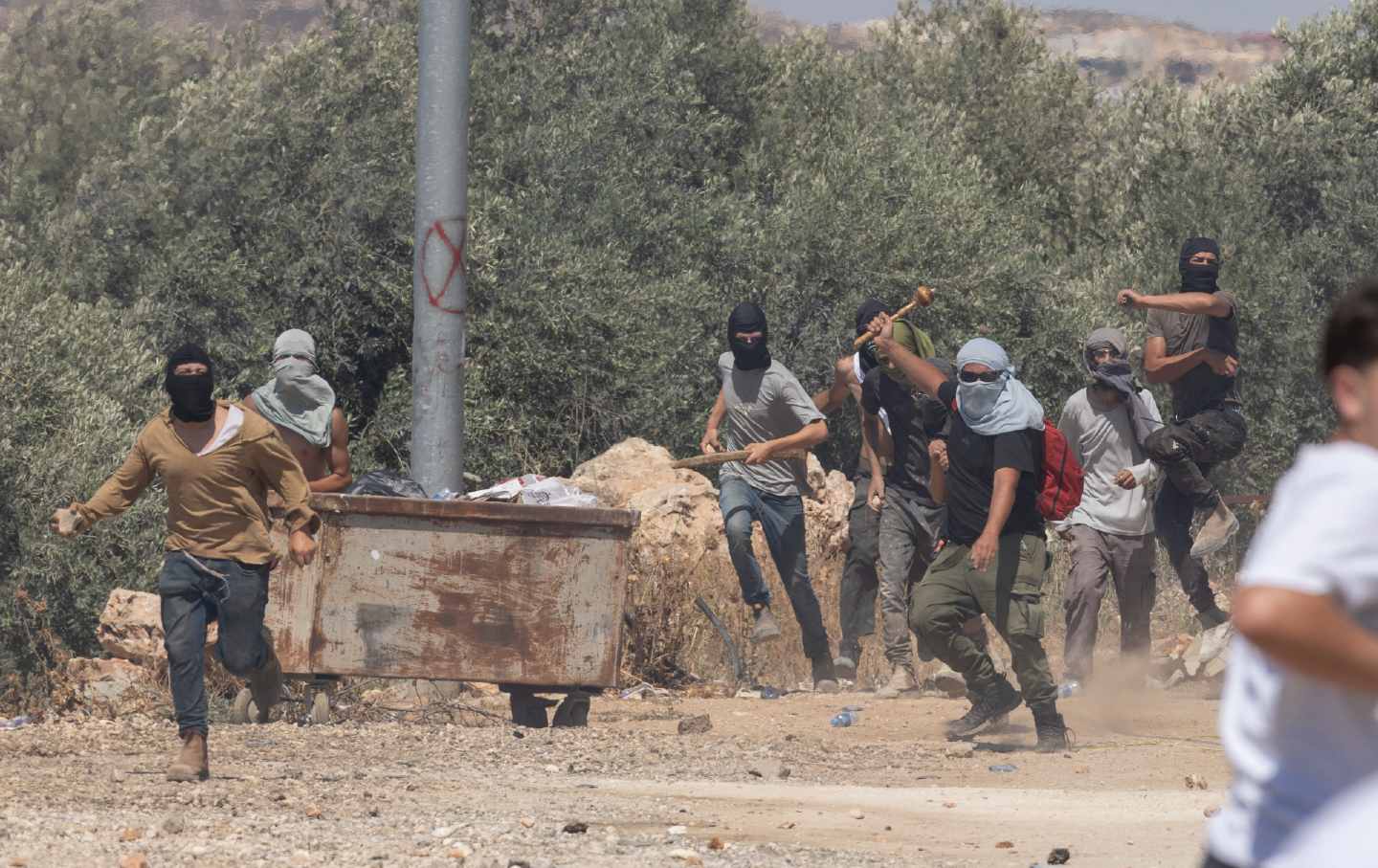
After decades of consolidating their control over Area C, Israeli settlers are expanding into Areas B and A – nominally under the jurisdiction of the Palestinian Authority – and displacing communities…
Functionality
/
Oren Ziv with Ariel Cain
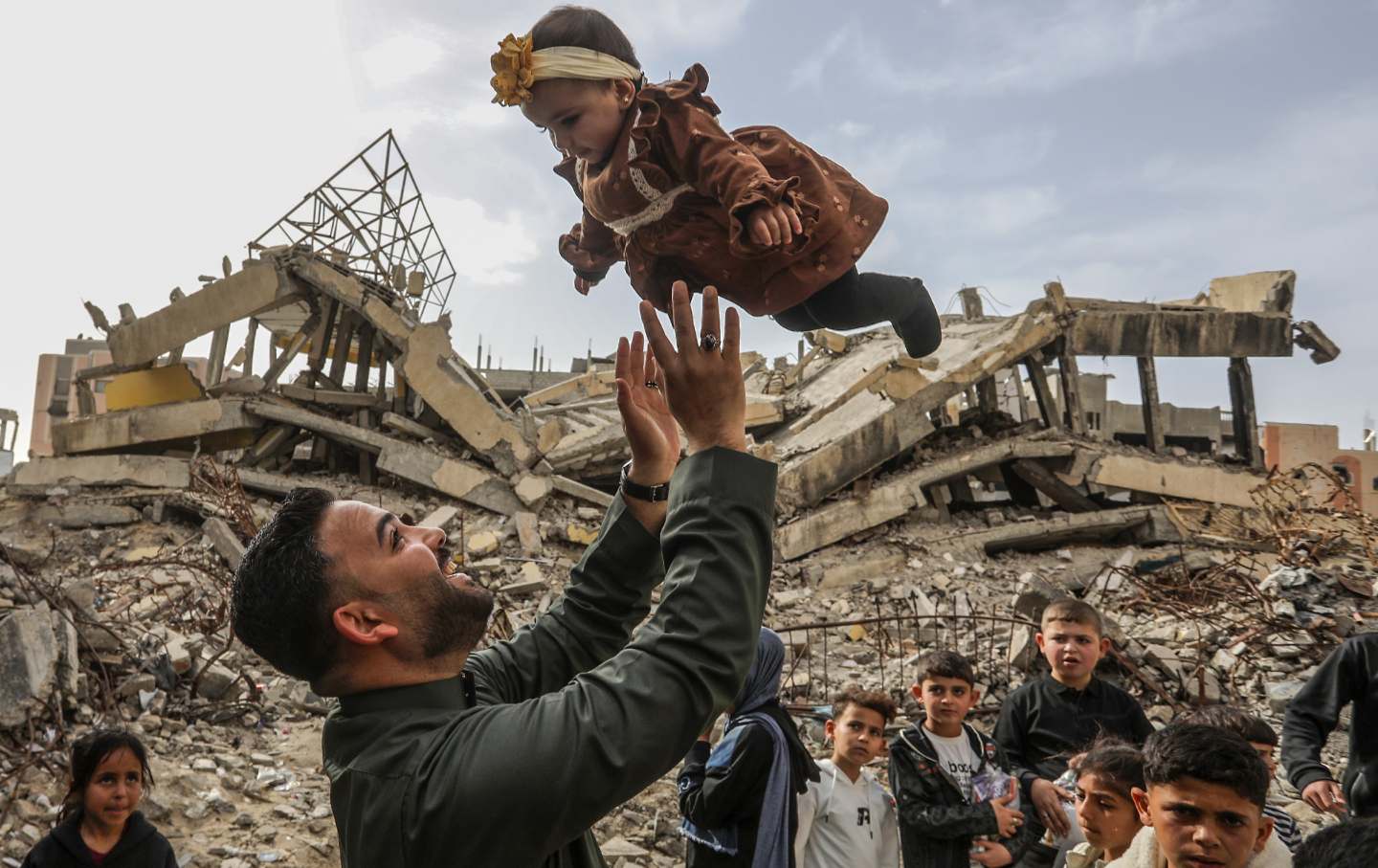
This year, Eid was a declaration: we are here. We pray. We dress our best. We love, even when the world tries to convince us that we have nothing to love or live for.
Ali Skaïk

Barring some important victories in this month’s local elections, the French left is more divided than ever, a year removed from a crucial fight for the presidency.
Harrison Stetler
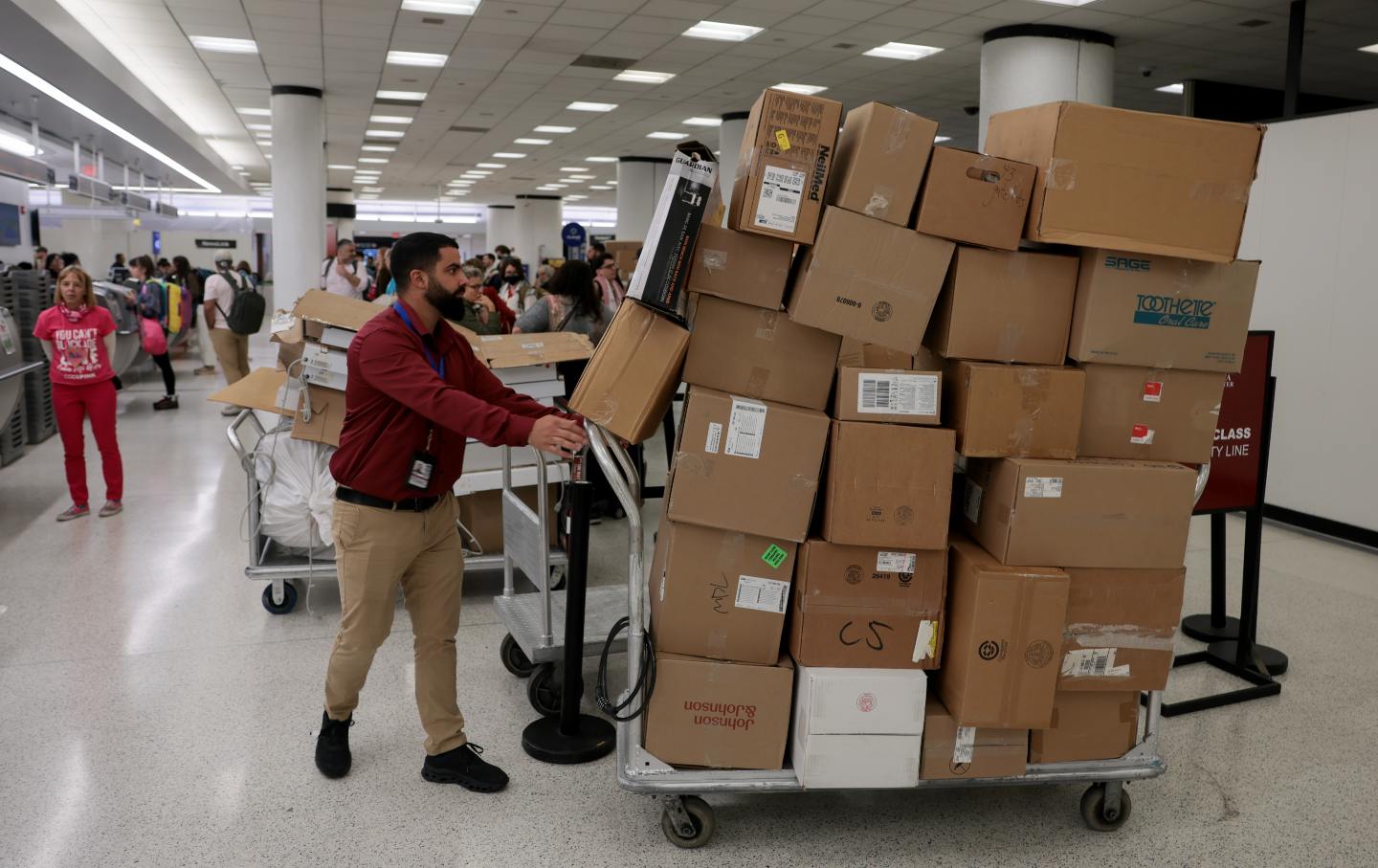
The Nuestra América convoy delivers humanitarian aid as American sanctions worsen the humanitarian crisis.
David Montgomery

The French left has managed to hold on to key cities, but the far right and mainstream right have also scored key victories – and the feuds within the left show no signs of easing.
Cole Stangler
It is time to pursue a more pragmatic strategy, one that prioritizes national strength, focused competition, and continued engagement.
Nathan Blade Smith


