Vaccine exemptions for religious or personal beliefs are rising across the U.S., data shows


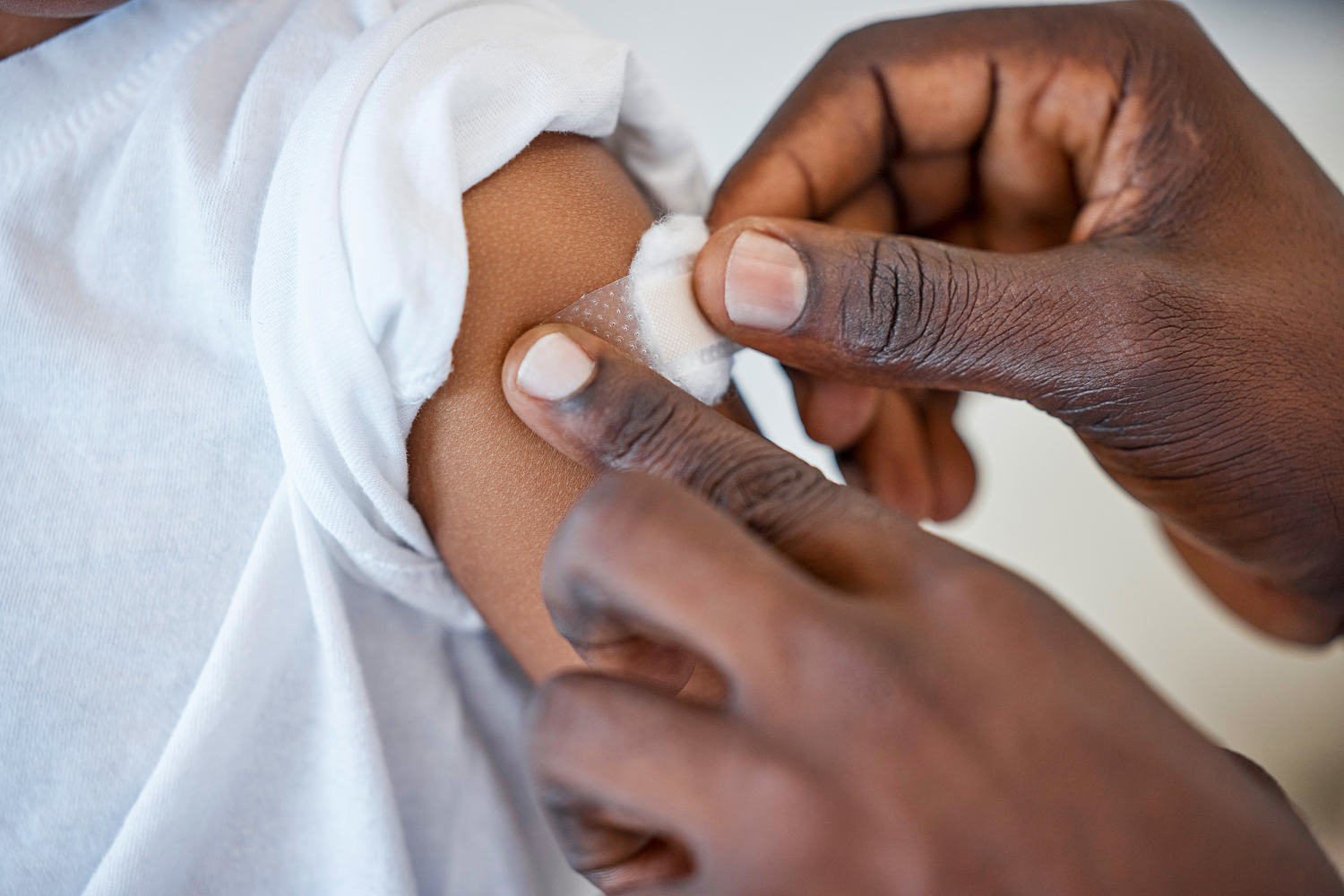
States such as New York, California, Connecticut and Maine that eliminated nonmedical exemptions saw declines since 2021.
The U.S. is already experiencing the largest outbreaks of measles and whooping cough in years, with most cases among school-age children. In Spartanburg County, South Carolina, an outbreak of measles is escalating. At least 434 cases of measles have been reported since September, with more than half diagnosed in the past week.
Some schools in Spartanburg County have vaccination rates as low as 20%, Dr. Linda Bell, state epidemiologist for the South Carolina Department of Public Health, said during a news briefing Wednesday.
“What’s going on in Spartanburg County now is the best example that even small pockets of under-vaccinated people can result in widespread transmission for this highly infectious virus,” Bell said.
Dr. Jesse Hackell, a fellow of the American Academy of Pediatrics said even a small number of vaccine exemptions can contribute to a significant outbreak within a community.
“There are many counties where the vaccine rate is between 90% and 95% and that’s low enough to produce a risk for widespread dissemination of a disease,” said Hackell, who was not involved in the study.
Dr. Walter Orenstein, professor emeritus at Emory University, said he can’t predict whether exemptions will continue to grow. He points to mistrust of doctors, vaccine misinformation spread on social media and disease elimination itself as contributors to the problem.
“Vaccines in a sense, are victims of their own success, because people don’t understand what these diseases are,” he said. “They don’t get to see them, and so they’re not afraid of them.”
Orenstein believes confusion and hesitancy around vaccines will only grow following Health Secretary Robert F. Kennedy Jr.’s recent move to change the childhood vaccine schedule.
Under the new schedule, the Centers for Disease Control and Prevention continues to recommend all children get vaccines for measles, mumps, rubella, polio, pertussis, tetanus, diphtheria, Haemophilus influenzae type B (Hib), pneumococcal disease, HPV and chickenpox.
Other vaccines will be recommended for “high-risk” groups or recommended based on what’s called shared clinical decision-making.
“My fear is it’s going to take major resurgences of some of these diseases, like polio, before people realize that the benefits of vaccines far, far exceed any risks. And these can be terrible diseases,” Orenstein said.


