VPN blocked by websites? Dedicated IP addresses solve the problem


NEWYou can now listen to Fox News articles!
If you’ve already turned on your VPN and suddenly can’t connect to your bank, email, streaming service, or business portal, you’re imagining things. In fact, it’s one of the most common frustrations VPN users face today.
However, the problem is not that VPNs have stopped working. Instead, websites have become much more aggressive in blocking traffic that seems suspicious.
Therefore, how your VPN is built now matters just as much as whether you use one or not.
Sign up for my FREE CyberGuy Report
Get my best tech tips, urgent security alerts and exclusive offers straight to your inbox. Plus, you’ll get instant access to my Ultimate Scam Survival Guide – free when you join my CYBERGUY.COM newsletter

Shared VPN IPs often raise red flags, which is why banks, email providers, and streaming sites sometimes block access. (Kurt “CyberGuy” Knutsson)
Why websites block many VPN connections
Most VPNs give you a shared IP address. As a result, hundreds or even thousands of people can appear online simultaneously from the same address. From a website’s perspective, this traffic pattern raises red flags. When platforms detect too many connections, rapid location changes or unusual activity linked to a single IP address, they intervene quickly. In many cases, they respond with:
- Block access
- Trigger captchas
- Require additional verification codes
- Temporary account locking
During this time, you did nothing wrong. Instead, you find yourself facing restrictions caused by other users sharing the same IP address.
What a dedicated IP does differently
With a dedicated IP, you get an address that belongs only to you. Unlike shared VPN connections, no one else uses it.
Each time you connect, you use the same IP address. As a result, you avoid sharing traffic, rotating locations, or competing with random users whose activity could trigger blocks.
Because of this consistency, your connection feels much more like a typical home or office Internet setup. And this simple difference can significantly reduce website distrust and connection issues.
NEW YORK STOPS ROBOTAXI EXPANSION PLAN
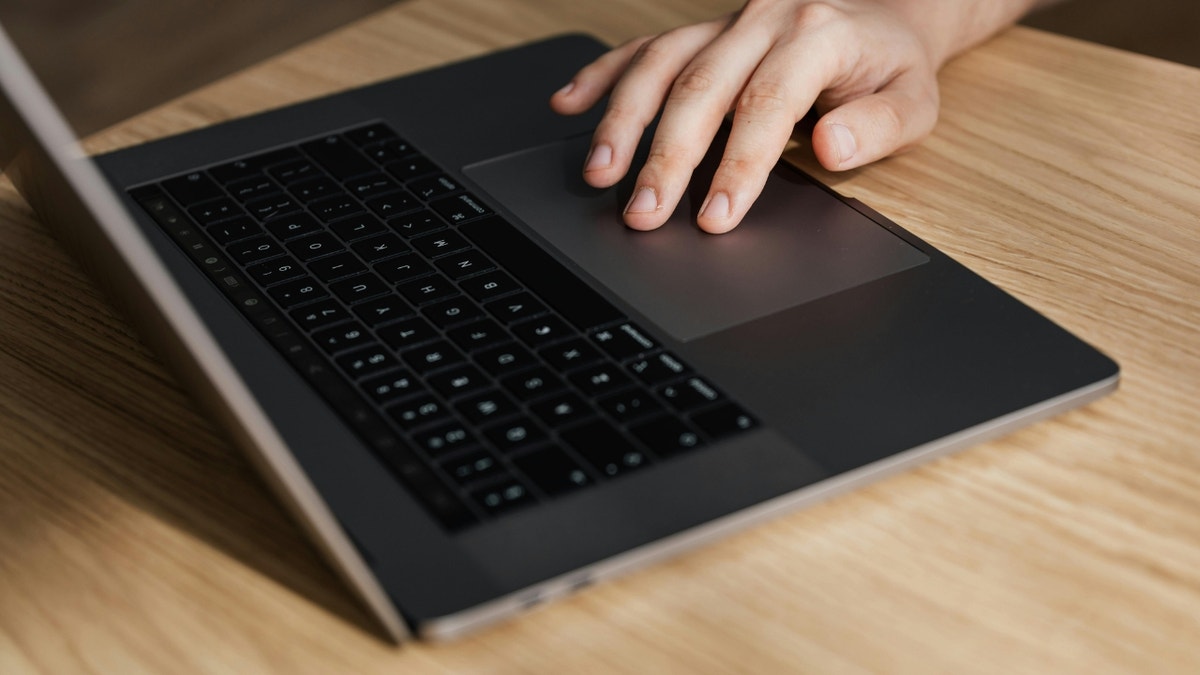
A dedicated IP address gives you a consistent address that more closely resembles a normal home connection, reducing captchas and connection alerts. (Kurt “CyberGuy” Knutsson)
What a Dedicated IP Can Do That Shared VPN IPs Typically Can’t Do
This consistency does more than reduce suspicion; this improves the fluidity of your access to the sites and services you use daily.
Access more websites without blocking
Banks, government portals, healthcare sites, and streaming services are much less likely to block a dedicated IP address because it doesn’t exhibit heavy or irregular traffic patterns.
Reduce captchas and security issues
These endless “prove you’re human” messages are usually triggered by shared IP address abuse. A dedicated IP reduces them considerably.
Make banking and email connections smoother
Financial institutions and email providers often flag constantly changing IP addresses as suspicious. A dedicated IP address remains consistent, so connection alerts and lockouts occur much less often.
Support for remote work and secure systems
Some employers only allow access from approved IP addresses. Shared VPN IPs cannot be trusted. Dedicated IP addresses can.
Improve streaming reliability
Shared VPN IPs are often the first to be blocked when streaming services run rampant. Dedicated IP addresses are less likely to be reported because the traffic appears normal and predictable.
What a dedicated IP doesn’t do
A dedicated IP:
- Does not remove encryption
- Does not expose your identity
- Does not weaken your privacy
Your traffic remains encrypted and your real location remains hidden. You just get a connection that websites trust more.
Who benefits most from a dedicated IP
A dedicated IP address is particularly useful if you:
- Use online banking services regularly
- Travel and access sites from different locations
- Work remotely
- Stream often
- Tired of captchas and blocked pages
- You want a VPN that feels normal to use
GOOGLE TAKES DOWN 9M DEVICE ANDROID HACKING NETWORK

With fewer blocks and smoother connections, a dedicated IP address lets your VPN run silently in the background instead of in your way. (Kurt “CyberGuy” Knutsson)
How to choose a VPN that offers a dedicated IP
If you want these benefits, look for a VPN provider that offers a dedicated IP option built right into their service. Some providers include it in premium plans, while others offer it as an add-on. Either way, the process should be simple. You should be able to select your dedicated IP address in the app without advanced setup or manual configuration. Before signing up, check that the provider also offers high speeds, reliable uptime, and clear privacy policies. A dedicated IP address improves access, but overall performance is still important.
What to look for beyond a dedicated IP
A dedicated IP reduces blockages. However, a quality VPN should also offer strong security and smooth performance.
Fast and stable connections: Speed is important for streaming, video calls, and everyday browsing. Look for suppliers known for their consistent performance.
Wide server coverage: More server locations give you flexibility when traveling and help reduce location errors.
Clear privacy practices: Choose a VPN with a strict no-logging policy and independent audits when possible.
Secure server technology: Modern VPNs often use RAM-based servers that automatically clear data on reboot.
Easy-to-use apps: The protection should appear simple and non-technical. Clean apps on major devices make everyday use easier.
For the best VPN software, check out my expert review of the best VPNs for browsing the web privately on your computer. Windows, Mac, Android and iOS devices has Cyberguy.com
Kurt’s key point
If your VPN continues to be blocked, the problem may not be with the VPN itself. This may be the shared IP address behind it. Websites are becoming more and more aggressive when it comes to suspicious traffic. When hundreds of users share the same IP address, banks, email providers and streaming platforms take notice. This is when the captchas, verification codes and account lockouts begin. A dedicated IP address changes this experience. You still benefit from encryption. You always protect your real location. But your connection feels stable and predictable, helping you avoid constant interruptions.
CLICK HERE TO DOWNLOAD THE FOX NEWS APP
Should protecting your privacy really mean battling your banking, email, and streaming apps? Let us know by writing to us at Cyberguy.com
Sign up for my FREE CyberGuy Report
Get my best tech tips, urgent security alerts and exclusive offers straight to your inbox. Plus, you’ll get instant access to my Ultimate Scam Survival Guide – free when you join my CYBERGUY.COM newsletter
Copyright 2026 CyberGuy.com. All rights reserved.
Related article