Want me to trust Windows 11 again? Bring back local accounts


After years of annoying me and other Windows 11 users, Microsoft says it’s ready to turn over a new leaf, fixing errors, making improvements, and adding some long-requested features. I would like to believe that Windows 11 is moving in the right direction. But given how anti-user Windows has become, I’m bitter and cynical. There is a way for Microsoft to prove this is serious… but I don’t think they actually will.
Microsoft knows we want local Windows accounts
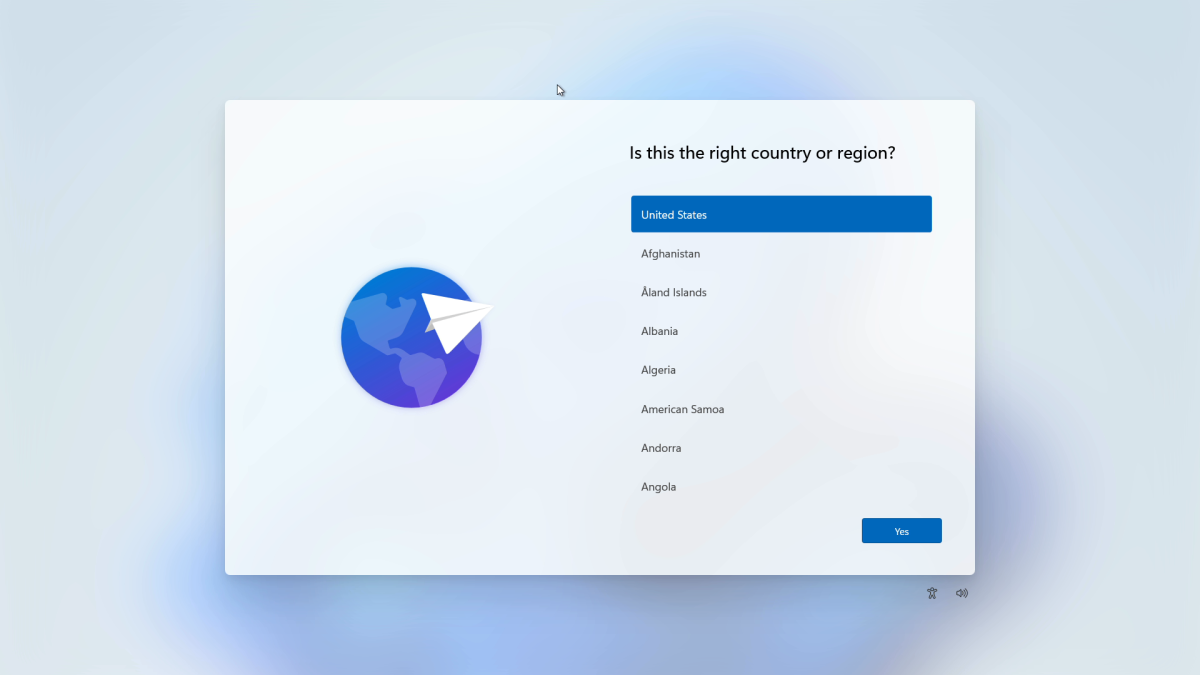
I won’t bury the trail here: these are the local accounts. If Microsoft wants to make users feel like Windows 11 is noticeably improved, the easiest way to do that is to add a feature they want. know we want. And they know we want local accounts, created when setting up Windows without logging into an online Microsoft login. Because they’ve spent years intentionally closing all the loopholes and fixing all the workarounds that allow users to continue doing this in Windows 11.
The next round of excuses already includes one of the features I’ve been asking for: a taskbar at the top of the monitor. I keep my monitors up high with VESA mounts for ergonomic reasons: you should be looking directly at your screen, not down, your back will thank me! – and it’s just better to put the taskbar on top for me. And since Windows 11 launched, I need separate software, paid tool, StartAllBack, to achieve this. For this very specific, tangible and visible feature, Windows 11 seems like a step backwards to me.
PCWorld
So it’s clear that Microsoft is ready to give us the important features we’ve been dreaming of. And that at least removes a few what no one asked for. “As part of this, we are reducing unnecessary entry points to Copilot, starting with applications such as Snipping Tool, Photos, Widgets and Notepad,” says the president of Microsoft Windows and Devices.
Given how hard Microsoft has pushed, pleaded, and plotted to get more people to use (and pay for) Copilot, I can only imagine those words coming through a rictus smile.
In this context, in addition to reducing inconvenience and improving performance, you might hope that Microsoft is being genuine here. And there are at least some indications that a local connection, without the need to be constantly tracked and marketed through online hooks, is on the table. On the same day as this big apology and commitment, another Microsoft executive acknowledged complaints about the login requirement on Twitter’s corpse. “Yeah, I hate it,” Scott Hanselman said. “I’m working on it.”
Hanselman is the Vice President of the Developer Community. So he knows developers and power users want it. I asked him via email if he wanted to expand on the comment. More than a week later, I have not had a response.
Why does Microsoft hate local accounts?
Apple’s MacOS, often considered “locked” and not very flexible compared to Windows, allows you to connect without a connected account. So does ChromeOS, shockingly. And if Google, of all companies, can let you use a local account on a laptop in 2026, Microsoft should absolutely give you that option.
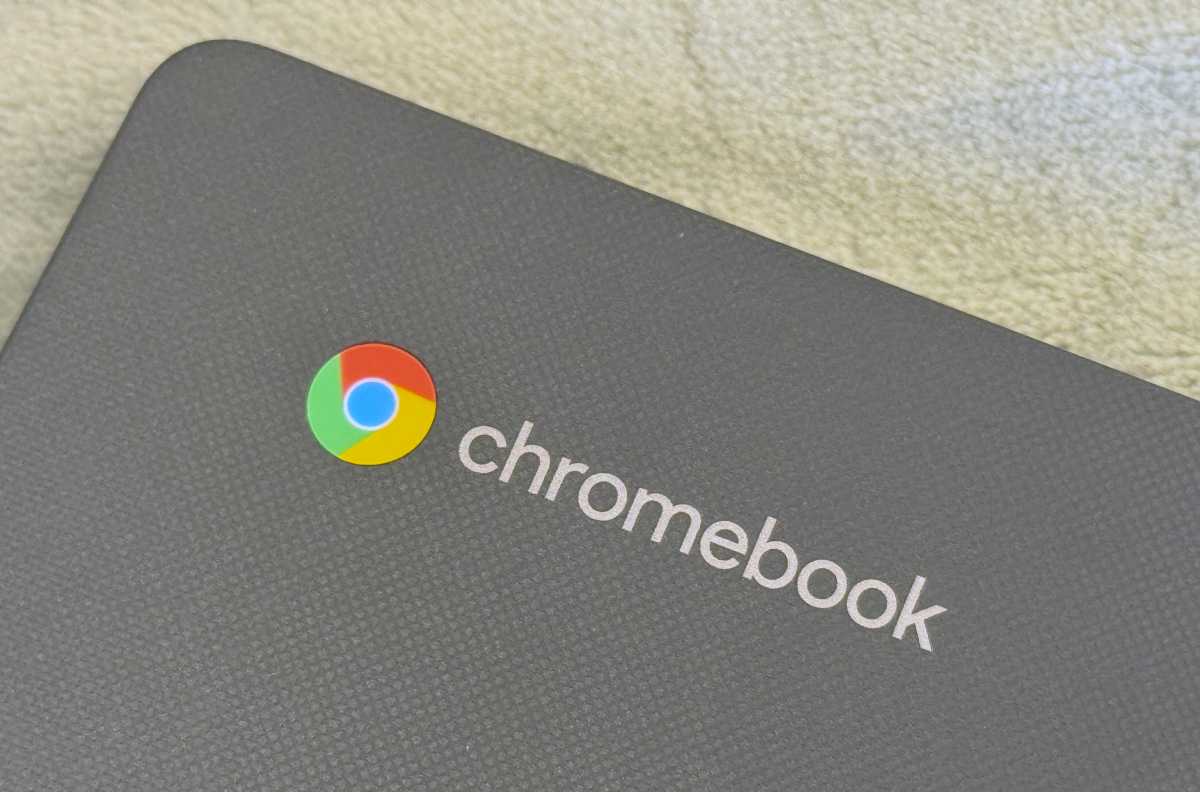
Chromebooks have local accounts. CHROME BOOKS. The ones with the Google brand literally on the lid!
Christophe Hoffmann
But with apologies for pessimism, I don’t think Microsoft is bringing back local logins. And not just because a vice president doesn’t elaborate on a quick comment on social media. No, there’s simply too much money on the table, too much valuable data, for Microsoft to give users what they really want.
You know Microsoft wants to sell you stuff. Mostly things you don’t want or could be gotten more efficiently elsewhere: How many of you use free Google Docs instead of Microsoft Office, or access ChatGPT instead of Copilot? But it’s not just about trying to get you to pay for Microsoft products.
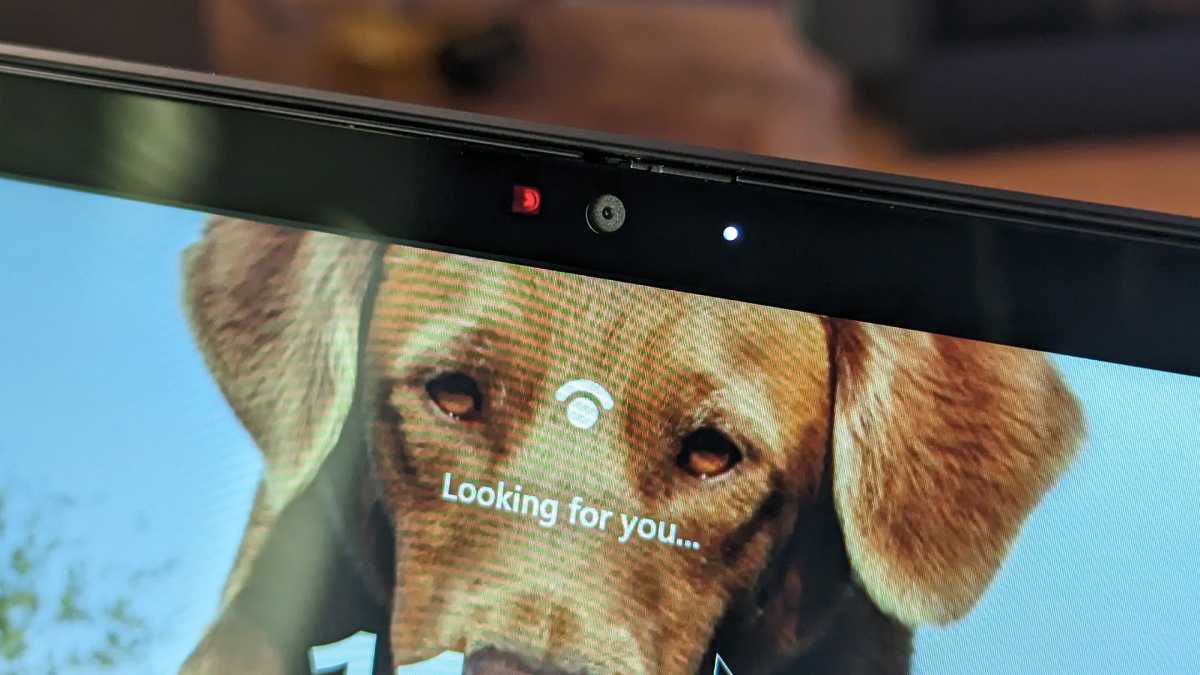
Windows itself is monetized through user data, like almost everything you do on the web, and increasingly many things you do in real life. Your web traffic and behavior, the apps you use, the devices you connect to, your location, and even the way you type or touch your screen. This is all data that Microsoft collects and, in some cases, sells. All of this is incredibly valuable to Microsoft and its partners/customers.
Michael Crider/IDG
This data is the beating heart of modern Microsoft, or at least the part aimed at regular users. Microsoft is no longer a company that sells operating systems to PC owners, it attracts users to its platform to monetize them. Regular home users are monetized via advertising data, business users are monetized via upsells for expensive services.
It is possible to deactivate a few of this data collection… not that Microsoft can’t access it from other directions. Here it is worth noting that although it is known for software like Xbox and Surface, Microsoft is one of the biggest advertising companies on the planet.
I hope I’m wrong…but I don’t think I’m wrong
But removing the instant, always-on sign-in to a Microsoft account would effectively monopolize the system that makes Windows valuable to Microsoft. They just won’t do it.
There’s an argument to be made here that, given the way Microsoft uses Windows as a link between user data collection and an advertising platform, it should be free. It should be, and Microsoft already treats it like it’s free most of the time, so I don’t know why we’re pretending that a Windows 11 license really costs $139. But I digress.
So yeah, call me a cynic, and I am. I’m not the only one on PCWorld who is skeptical about this reset, no matter how conciliatory. But if anyone at Microsoft is listening – Scott? – so keep that in mind: this is how you win back users. This is how you show, rather than just tell, that you are committed to making Windows 11 a new operating system for users.


