Watch a Moth Drink Moose Tears



Explore
Mr.oh, cry. And the butterflies are thirsty.
These two things may not seem related at first glance, but researchers have recorded, for the first time, footage of moths drinking the tears of a moose. The intriguing interaction between the nocturnal insects and the majestic mammals took place deep in the Vermont woods, captured by trail cameras installed in the Green Mountain National Forest, as part of a broader study of elk across New England.
Vermont researchers published the findings and striking photographs in a recent issue of Ecosphere.
ADVERTISEMENT
Nautilus members enjoy an ad-free experience. Log in or register now.
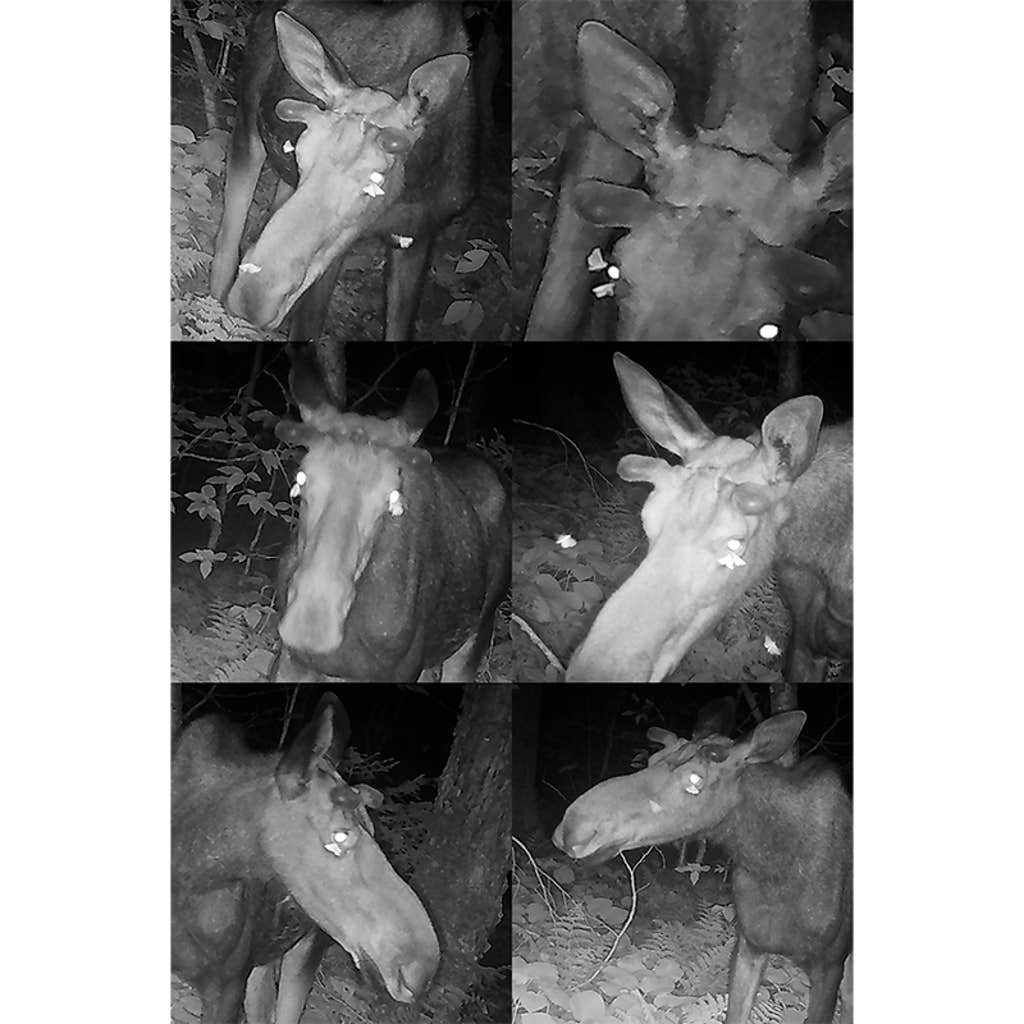
Insects belonging to the order Lepidoptera – which includes moths and butterflies – are no strangers to tear consumption, or “lachryphagia.” Lepidoptera have been observed bellying up to the tear ducts of birds, reptiles, wild mammals, and domestic animals from Asia and Africa to parts of South America.
However, outside of the tropics, researchers have documented only one example of larphagia: a 1972 report described a species of butterfly drinking from the eye of a horse in Arkansas.
ADVERTISEMENT
Nautilus members enjoy an ad-free experience. Log in or register now.
Read more: »The secret life of moths»
Moths and butterflies appear to engage in this behavior to supplement their diet with liquid nectar, which they drink from flowers. In tropical regions with hot or dry seasons in Africa and Asia, Lepidoptera likely turn to tears for protein when nectar supplies become depleted. But in the tropics of the Western Hemisphere, insects likely seek out tears as a source of sodium, a rare mineral in most plants.
With the newly shared images, researchers can add moose to the list of host species for larphagia. This sighting is also unique because most Lepidoptera have been seen drinking tears from captive mammals.
ADVERTISEMENT
Nautilus members enjoy an ad-free experience. Log in or register now.
This isn’t the only strange nibbling habit seen in butterflies and moths. They are also known to engage in “puddling” behavior, in which they absorb sodium and other nutrients from “soil, feces, carrion, and even human sweat,” the authors wrote.
This makes moose tears seem like a pretty appealing drink option.
Enjoy Nautilus? Subscribe for free to our newsletter.
ADVERTISEMENT
Nautilus members enjoy an ad-free experience. Log in or register now.
Main image: Pixabay


