Transcript: Trump’s Vile New Colbert Smear Reveals Firing’s Darker Aim


THe followed is a slightly published transcription of the July 21 episode of
Daily explosion podcast. Listen to it here.
Greg Sargent: It is The daily explosion Since The new distributionLic, Produced and presented by the DSR network. I am your host, Greg Sargent.
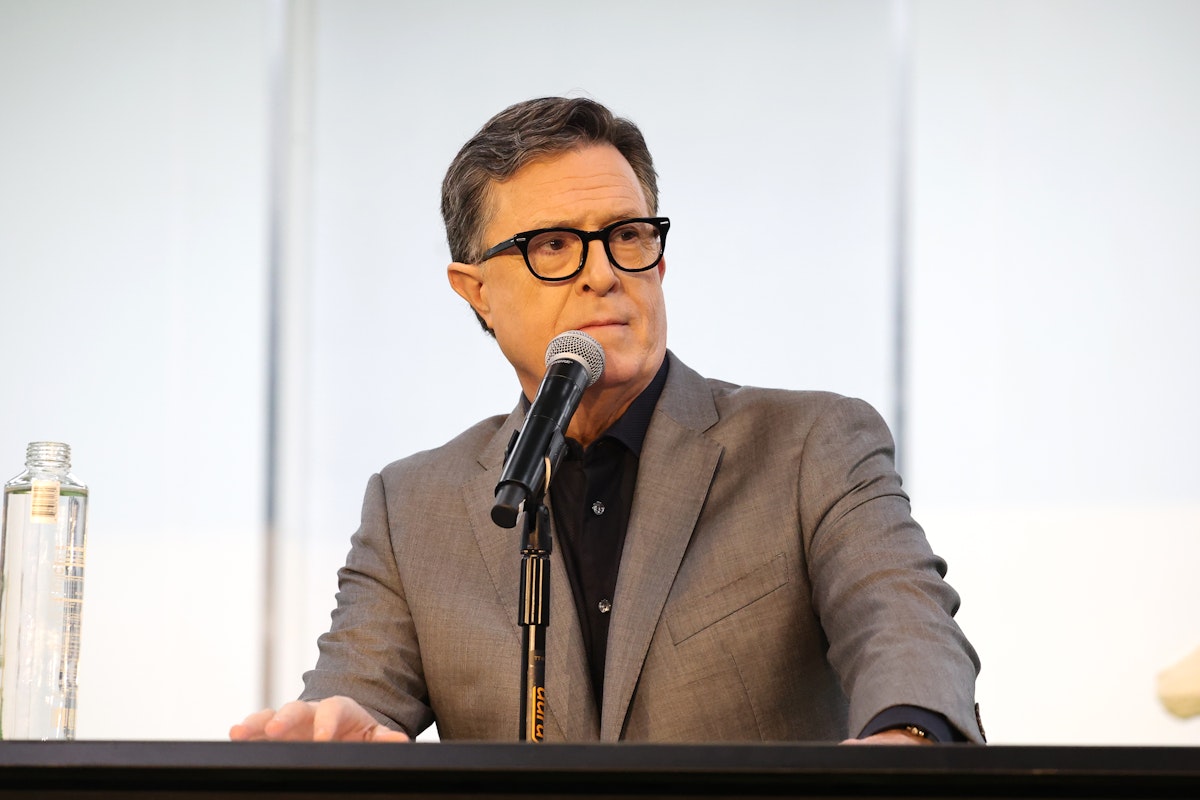
You have now heard that CBS has canceled The late show with Stephen Colbert. What makes it even more disturbing is that it comes just after Paramount, which owns CBS, settled a lawsuit with President Trump by paying $ 16 million in what many describe as functional. CBS denies that this put an end to Colbert’s program in Curry the favor of Trump, saying that it is a purely financial decision, BThe UT The dismissal comes after Colbert himself called Trump’s colony as “big bridge pot”. And now Trump has just praised the decision to dismiss Colbert in a vile attack which he sparked on Colbert who said he had no talent and cannot measure with the brilliant spirit of Fox News. We are talking about all this today with Michael Sozan, a senior member of the Center for American Progress who recently had a good piece speaking the dangers of the colony of Paramount with Trump. Michael, delighted to have you.
Michael Sozan: Delighted to be with you, Greg. THANKS.
Sargent: Let’s take a step back and start with the Paramount settlement with Trump. It came after Trump continued CBS, accusing him of deceptive assembly. It was an absurd complaint, and many legal experts said that CBS would have won if he had pleaded–But Paramount settled instead. Can you guide us through why it is so disturbing?
Sozan: This case was the most fragile cases from the start when Donald Trump brought it. You may remember that he continued for $ 20 billion with a “B”, which was simply crazy from the start. And all the legal experts had said, Look, of course, new entities have the right to the first amendment to modify interviews as they wish. And so from the start, this prosecution should have been laughed at the Court. And in fact, Paramount himself–His lawyers continued to assert in court documents that it was an absurd case which was not at all founded in law. And Trump Staying day after day, demanding that there is a regulation. And the parties have concluded settlement negotiations. It was reported that the board of directors of Paramount was really worried and discussed if a settlement could represent corruption. So they knew it was a risk. Their shareholders and others–Persons of the first amendment–argued, telling them, Please do not settle down. They finally did it anyway, a few weeks ago, for at least $ 16 million.
Sargent: And Paramount had other potential reasons to settle, right? Can you talk about it?
Sozan: Exactly correct. And that is why some people raised this question of potential corruption. There was therefore, on the one hand, this trial that Trump had brought that we had just discussed. Simultaneously, unfortunately for Paramount-CBS, tHey tries to have a merger approved by the Federal Communications Commission. It is the agency that oversees telecommunications, media entities and their licenses. And the FCC is now led by an ally very close to Donald Trump named Brendan Carr. Brendan Carr had slowed down the merger procedure and had accused CBS perhaps of engaging in a distortion of the news from the moment when he edited the 60 minutes interview. Thus, things stopped at the FCC. And Carr was trying to say that the Trump trial was not linked, but most people obviously thought it. Paramount’s heads really wanted to make this fusion, and they have clearly seen–AThe least it seems to most of us–That adjusting the trial unrelated to Trump would be a way to unlock the merger and finally have it approved by the FCC.

![Best early Presidents’ Day deals at Amazon [2026]](https://i2.wp.com/helios-i.mashable.com/imagery/articles/03msanKZAkd87pYj4fu5wxg/hero-image.fill.size_1200x675.v1770659748.png?w=390&resize=390,220&ssl=1 "Best early Presidents’ Day deals at Amazon [2026]")


