We Go Looking for the Carnage After the Defunding of Public Broadcasting – We Are Still Looking… – RedState


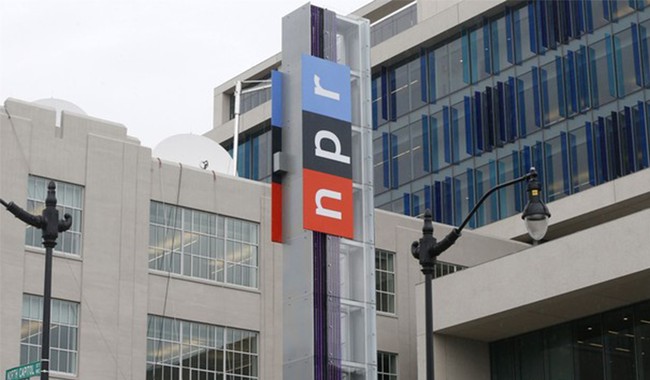
Last year, we were steeped in all manner of melodrama in our cultural circles regarding the budgets of the public broadcasters getting yanked. The mewling from the media was delivered in bulk, with no shortage of nightmare scenarios drawn up for us to feel horrible that people in the hinterlands might be denied their access to “Antiques Roadshow.” It was scripting on par with a Mexican telenovela.
We were told that hundreds of stations would go dark, news deserts would spread across the American landscape, illiteracy rates would spike as children would be denied the ability to read with the culling of Big Bird, and people enduring natural disasters would face certain death without Ira Glass telling them to run to the basement or climb on the roof, depending on the natural calamity they are facing.
Catherine Maher, the CEO of National Public Radio, even came out to explain that, without the ability to hear directives from her network, in a disaster scenario, people would go without potable drinking water.
These local stations is they play a critical role in emergencies — not only in terms of emergency broadcasting, warnings, tornado watches, things along those lines, but recently, there were — in the last year, Hurricane Helene, which hit North Carolina terribly hard. The residents of Asheville and the surrounding area went without drinking water, showering water, and cooking water.
Let’s just bask in the magnificence of this paradox: NPR loves to position itself as the elevated thinkers in media, and its audience is a collection of urbane, cultured, high-minded individuals – who are incapable of ascertaining where to get water if anything calamitous may befall them.
But this catering caterwauling became a dropped talking point when, after an actual natural disaster in Texas, it was shown that NPR was asleep at the dial in a time of crisis. When flash floods slammed central Texas last summer, taking dozens of lives, warnings and emergency alerts were issued throughout the night and the predawn hours. The local NPR station offered nothing in the form of help until it reported on the aftermath by the next morning.
The Biggest Claim for Public Funding Is a Lie Exposed by the Texas Flood Response
It was not long after that when President Trump’s spending plan passed, and contained within the Big Beauty was the call to pull all of the funding for public broadcasting. It was not long after that when the money-doling entity, the Corporation for Public Broadcasting, announced cutting staff and closing doors, and that it would fully shutter by the new year. This was when all of the promises of media black holes opening up across the country were made.
So then, just how bad has this defunding become, and what is the disaster measurement of the cherished stations that were imperiled? We are more than half a year from the money pipeline being taken offline, and almost a full quarter after CPB hung the FOR LEASE sign at its headquarters. How dire has it become?
We went looking…and we are still looking. One would expect, after over half a year of hysterical promises and premature funeral arrangements, that we would be awash in reports of these closures. When it dawned on me that I had not seen nor heard the dirges in the press, I checked around. All the news reports I can see are those same promises filed last year. So I kept digging and finally came across the results:
I found one.
In Washington, KWSU-TV ceased operations on December 31. This was a small, very regional, but not exactly rural outpost station. As the call letters indicated, it broadcast from the campus of Washington State University. And even as it was serving a somewhat rural community, most of those viewers – scant as they were – would still have access to PBS, via station KSPS, out of Spokane.
There is one other station suffering under the “Antenna of Damocles,” NJ-TV, New Jersey Public Television. It is poised to go off the air this summer, when a contract with the WNET group ends. But it is not going away. The key term in this was going off the “air.” It will still deliver news online, and some content will be shown on New York City Channel 13, which is accessible in large portions of New Jersey.
But apart from those examples, it is hard to find the demise of others having taken place. That is not to say that hardship has not been felt. In many outlets, layoffs, budgets being slashed, and other cost-saving efforts have been undertaken in order to stay afloat. NPR has been cutting its overhead, and at PBS, steps have also been taken, such as the cancellation of “PBS News Weekend.”
Additionally, in many places, there has been a spike in personal donations, and an increase in corporate grants has been realized, as there has been an increase in those operators hustling to find alternate revenue streams to keep the klieg lights on.
In other words, public broadcasting outlets have been forced to join the rest of this nation’s broadcasters and become more competitive, streamlined, and operate with a greater sense of responsibility. It ends up being the case that when Uncle Sucker stopped with the stipends, these entities needed to grow up and learn to operate like the rest of the news outlets.
The next step is to put out a product that will appeal to an audience sufficiently to remain in the marketplace.
Editor’s Note: The mainstream media continues to deflect, gaslight, spin, and lie about President Trump, his administration, and conservatives.
Help us continue to expose their left-wing bias by reading news you can trust. Join RedState VIP and use promo code FIGHT to get 60% off your membership.


