Wearable robotics technology moves from research labs to everyday life


NEWYou can now listen to Fox News articles!
When you hear the word robotics, you probably think of factory machines or humanoid robots sprinting around a test track. This image makes sense. For years, robotics has lived in laboratories and industrial spaces.
But a quieter change is happening much closer to home. This occurs around the ankles, knees and hips. Portable robotics is leaving research laboratories and entering everyday life. From motorized shoes to lightweight exoskeletons, this new wave of motion-assistive technologies is becoming a veritable consumer category.
The goal is not to replace your efforts. It’s about supporting him. And this change is bigger than any brand.
Sign up for my FREE CyberGuy Report
Get my best tech tips, urgent security alerts and exclusive offers straight to your inbox. Plus, you’ll get instant access to my Ultimate Scam Survival Guide – free when you join my CYBERGUY.COM bulletin.
AI WEARABLE HELPS STROKE SURVIVORS SPEAK AGAIN
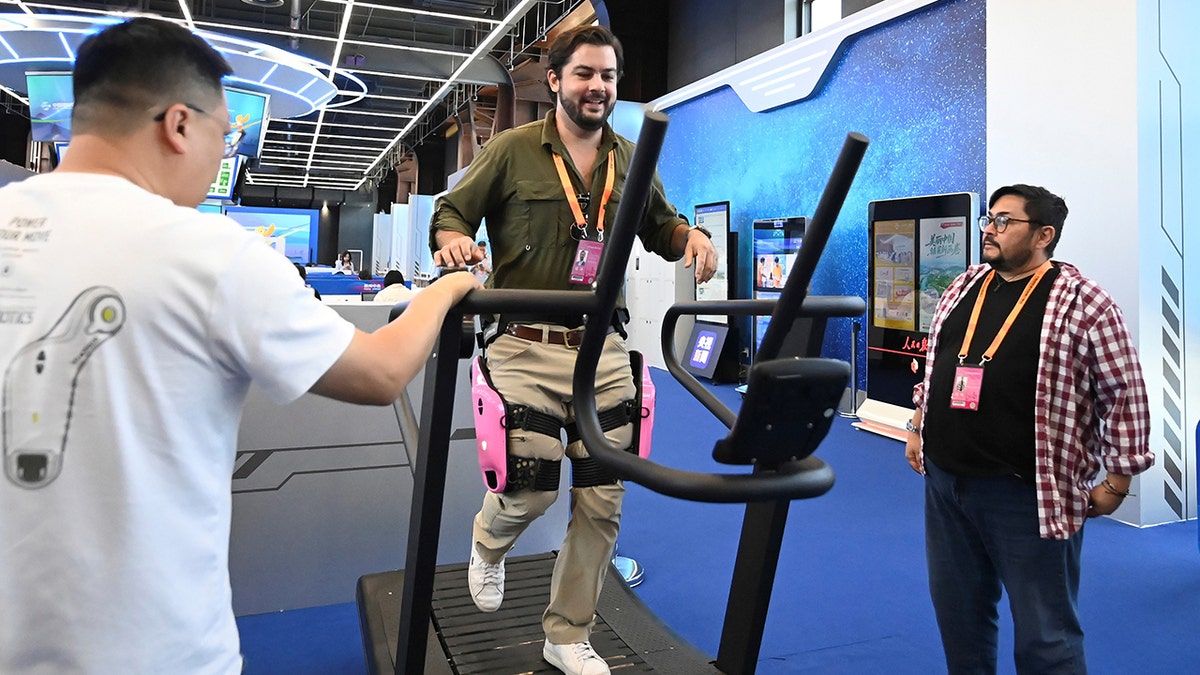
Wearable robotics is moving from labs to everyday life, with motorized shoes and exoskeletons designed to reduce fatigue and promote natural movement. (Xiao Xiao/Xinhua via Getty Images)
From elite athletes to everyday use: the shift towards wearable robotics
For years, sports innovation has focused on speed. Lighter foam. Carbon plates. Better traction. Most of these wins were against elite competitors. Now the focus extends beyond race day. Nike’s Amplify project, developed with robotics partner Dephy, is one example. The system combines a carbon plate inside the shoe with a motorized collar worn above the ankle. Sensors track stride patterns in real time and the collar provides subtle forward assistance designed for a smooth, natural feel. Instead of forcing the movement, he learns it.
Previous attempts at motorized shoes struggled because the batteries and motors were too heavy to fit into a shoe. The result seemed clunky and unbalanced. Modern designs solve this problem by moving energy storage above the ankle or toward the hips. By moving weight higher on the leg, engineers reduce stress on the foot and improve balance.
Battery improvements and smarter motion sensors also play a role. Today’s systems adapt to your stride in real time, making assisted movements feel less like equipment and more like an extension of your body. The company said it is aiming for a commercial release around 2028. But Nike is not alone in this area.
Powered shoes and exoskeletons enter the consumer market
If you’ve ever felt your legs getting heavy during a long walk, you understand why this category exists. Maybe it’s a trip to the airport, a walk around the neighborhood, or a few stairs that seem steeper than before. Most people don’t try to run faster. They just want to move without feeling exhausted. This is where wearable robotics begins to appear. Companies are creating products for real people, not just elite athletes or lab tests.
Early consumer exoskeletons for outdoor travel
THE Hypershell is an example. This is a lightweight outdoor exoskeleton designed for long-distance hikers and walkers. The system wraps around the waist and legs and uses small motors to reduce fatigue during climbs and uneven terrain. The goal is simple. Helps you go further without feeling exhausted halfway through. Hypershell also introduced the X Ultraa more powerful version designed for steeper terrain and longer rides. It offers higher levels of assistance while remaining compact enough to be worn under standard outdoor gear. Both models are designed for recreational users who want endurance support, not medical treatment.
Dnsys also introduced the All-terrain exoskeleton X1. The hip-mounted system is intended for hikers and outdoor enthusiasts who want to reduce fatigue during climbs and long hikes. Unlike lab prototypes, the X1 was sold via crowdfunding and direct online orders, making it one of the first consumer entries into the field.
Wearable robotics designed for daily walking
Another example is WIM from WIRobotics. This wearable robot weighs approximately 3.5 pounds and supports the natural movement of the hips during walking. It’s intended for seniors, active adults, and people recovering from minor injuries who want some extra help without carrying something bulky or clinical-looking.
10 HEALTH TECH PRODUCTS STEALING THE SPOTLIGHT AT CES 2026
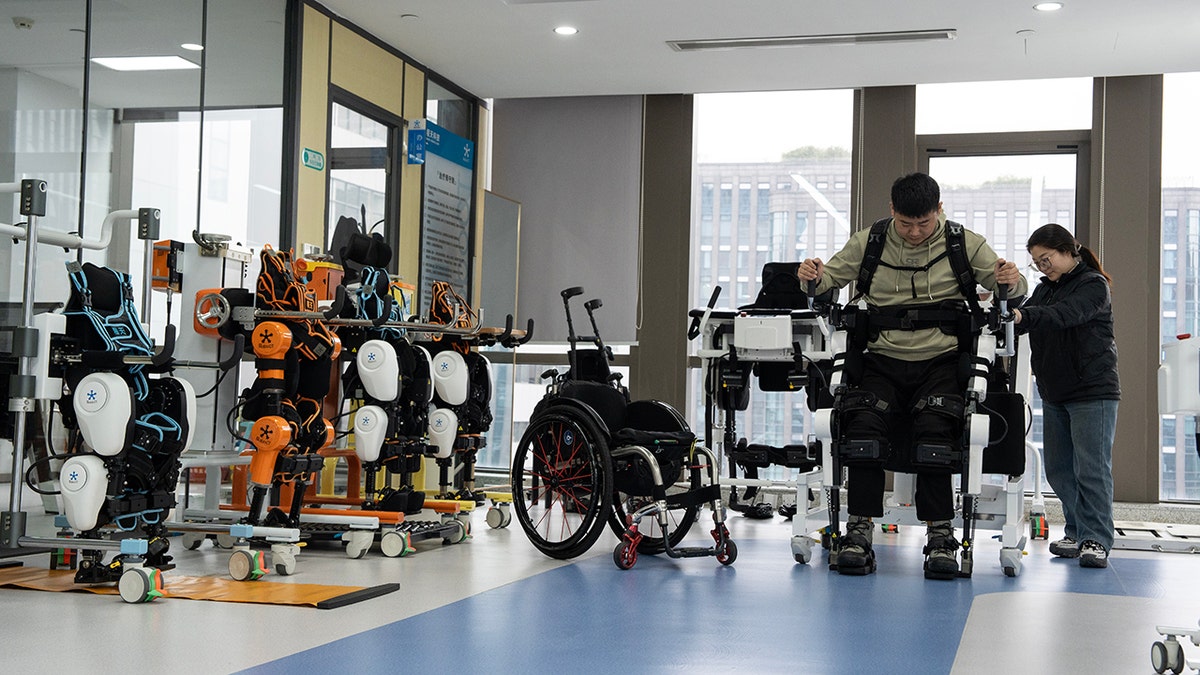
Medical exoskeleton manufacturers such as Ekso Bionics and ReWalk have paved the way for today’s consumer wearable robotics. (Wu Junyi/China News Service/VCG via Getty Images)
From medical exoskeletons to consumer devices
The medical side of wearable robotics has been evolving for even longer. Companies like Ekso Bionics and ReWalk have developed powered exoskeletons that help people with spinal cord injuries or strokes get up and walk. These systems are used in rehabilitation clinics and some personal mobility programs. They show how wearable robotics first proved its worth in the medical field before gradually influencing consumer designs.
These products vary in strength, price, and function. What connects them is a shared direction. Wearable robotics begins to actively assist movement, instead of just following it.
How wearable robotics helps reduce fatigue and movement hesitation
Here’s something people rarely admit. It’s not always an injury that stops movement. It’s a hesitation. Many people worry about knee pain that sets in midway through walking. Others fear running out of energy before returning home. Some quietly insist on slowing everyone down.
These doubts shorten walks and cancel races well before physical limits. Wearable robotics hopes to bridge this trust gap. By reducing fatigue and supporting joints, movement assistance systems can make activity realistic again for people who might otherwise ignore it. The effort doesn’t go away. The barrier to getting started simply becomes lower.
Motorized shoes and wearable robotics promote natural movement
A better comparison might be electric bikes. Electric assistance has not eliminated the bike. Instead, it expanded the number of people who felt comfortable getting on a bike in the first place. Motorized shoes and wearable robotics could have a similar effect on walking and running. Concretely, this may seem different depending on the person.
Some commuters could replace short car trips. Older adults can stay active longer without feeling as exhausted. Casual runners might finish a workout with energy to spare instead of running the last mile. In other words, this change is not about creating superathletes. It’s about expanding the circle of people who feel able to participate.
What does this mean for you
You can never strap on a powered exoskeleton. You might not expect powered shoes to hit stores in 2028. But this change is still important. If walking a long trail hurts your knees, or you skip runs because you’re afraid of burning out halfway, this type of technology is designed with you in mind. The goal is not to turn just anyone into a super athlete. It’s about making the movement more achievable.
For some people, that might mean walking an extra mile without thinking twice. For others, it might mean staying in touch with friends, staying active longer, or being a little less hesitant to get started. Wearable robotics is a game changer. Instead of asking how fast you can go, the question becomes simpler. How comfortable do you want to feel when you move? And it’s a very different way of thinking about fitness.
Take my quiz: How safe is your online security?
Do you think your devices and data are truly protected? Take this quick quiz to see where your digital habits stand. From passwords to Wi-Fi settings, you’ll get personalized analysis of what you’re doing right and what needs improvement. Take my quiz here: Cyberguy.com.
THE NEW EXOSKELETON ADAPTS TO THE TERRAIN THANKS TO THE POWER OF INTELLIGENT AI
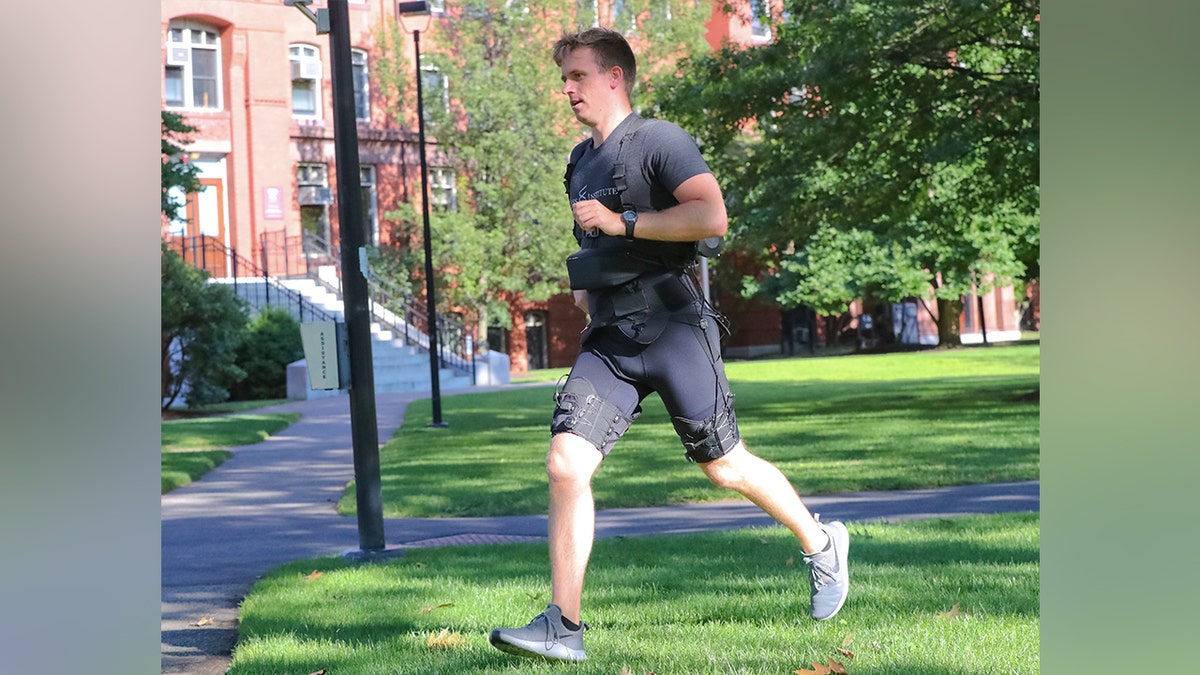
Consumer exoskeletons like Hypershell X and Dnsys X1 target hikers looking for endurance support on long hikes. (Matthew J. Lee/The Boston Globe via Getty Images)
Kurt’s Key Takeaways
Wearable robotic systems are still in the early stages of consumer adoption. Most powered shoes and exoskeleton systems remain expensive and limited in availability. But the direction is clear. Technology is moving from tracking your performance to actively supporting it. This is a significant change. If assisted movement becomes as common as smartwatches or fitness trackers, it could reshape the way people think about aging, endurance and everyday mobility. Walking further may seem realistic again. Running may seem less intimidating. Staying active later in life could become more feasible for millions of people. The real question is not whether wearable robotics will improve. They will. The bigger question is how we choose to use them.
If wearable robotics can help you walk and run with less effort, would you try them or would you prefer to rely solely on your own efforts? Let us know by writing to us at Cyberguy.com.
CLICK HERE TO DOWNLOAD THE FOX NEWS APP
Sign up for my FREE CyberGuy Report
Get my best tech tips, urgent security alerts and exclusive offers straight to your inbox. Plus, you’ll get instant access to my Ultimate Scam Survival Guide – free when you join my CYBERGUY.COM bulletin.
Copyright 2026 CyberGuy.com. All rights reserved.


