Well, there goes any reason to buy an iPad Air

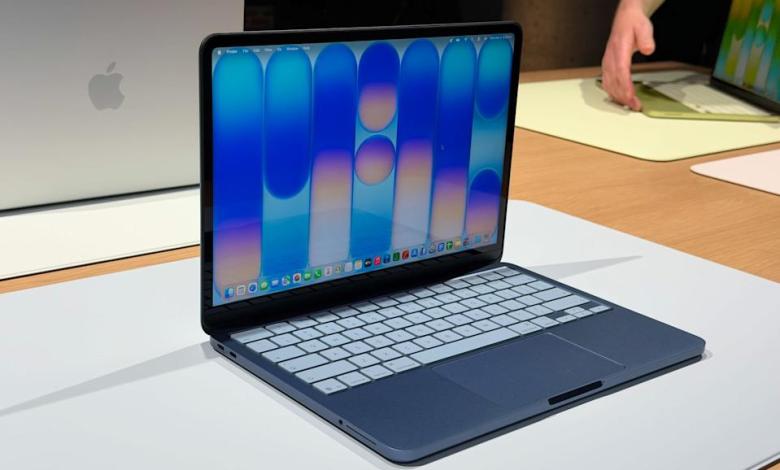
Apple just released the , a 13-inch laptop that delivers the full macOS experience for just $599. This is the machine, I’m sure, that many of the company’s fans have been asking for since the dawn of the netbook. I’m also sure that its specs have enough drawbacks to ensure that there are still plenty of customers for the more expensive Macbooks; the same cannot be said for the iPad Air.
If you’re looking for a machine that you can actually use meaningfully, the Neo has the Air pace. It has two USB-C ports, 16 hours of battery life, a real keyboard, a trackpad, and the ability to run macOS with proper multitasking. $599 won’t even get you an iPad Air with a keyboard and trackpad, which will cost you $270 more.
Of course, the MacBook Neo is being sandbagged in all the ways that Apple will always sandbag a cheaper product. But I think the company was smart enough to ensure that the base model, which I’m sure will sell for a crazy amount, was computer-enabled enough to matter. The A18 Pro chip will run much slower than Apple’s M-series silicon, but raw performance isn’t the big issue. After all, if you’re buying this machine as Apple’s version of a Chromebook, you’re not going to be squeezing 55GB Final Cut Pro files in here. This is a machine intended for light work, the sort of thing the iPad was always meant to enable, but which has .
Apple knows how its A-series chip compares to low-end laptop processors. Given the differences between the operating systems, it’s impossible to make a true comparison at this time, but in synthetic benchmarks they outperformed those found in many lower-end laptops, including the . And the A18 Pro only needs 8W to run, compared to Intel’s 15W requirement, helping maintain that nice, long battery life. Even with just 8GB of RAM, if it can run macOS and its apps at an acceptable level, then you know it will please its target audience just fine.
In passing, it should be said that the Neo’s target audience is definitely not the type of people who will quibble over the limited USB bandwidth offered by the machine. Like Devindra Hardawar, the target market for this machine is the same people who bought the M1 MacBook Air from Walmart. He also pointed out – rightly – that macOS remains unburdened of all the horrible AI features that make using Windows less and less enjoyable. Even so, if you quibble over such specs, it’s not like the iPad Air, with its single USB-C port, offers a significant improvement.
I always hoped and wished that the iPad would be mature enough to bridge the gap between tablet and laptop, but that was never the case. What Apple did to ultimately solve the problem was simply make a laptop as affordable as a tablet.


