What to Expect From a Mammoth Disruption of Global Oil and Gas Supplies


March 11, 2026
And why was the Trump team so ill-prepared for the shockwaves?

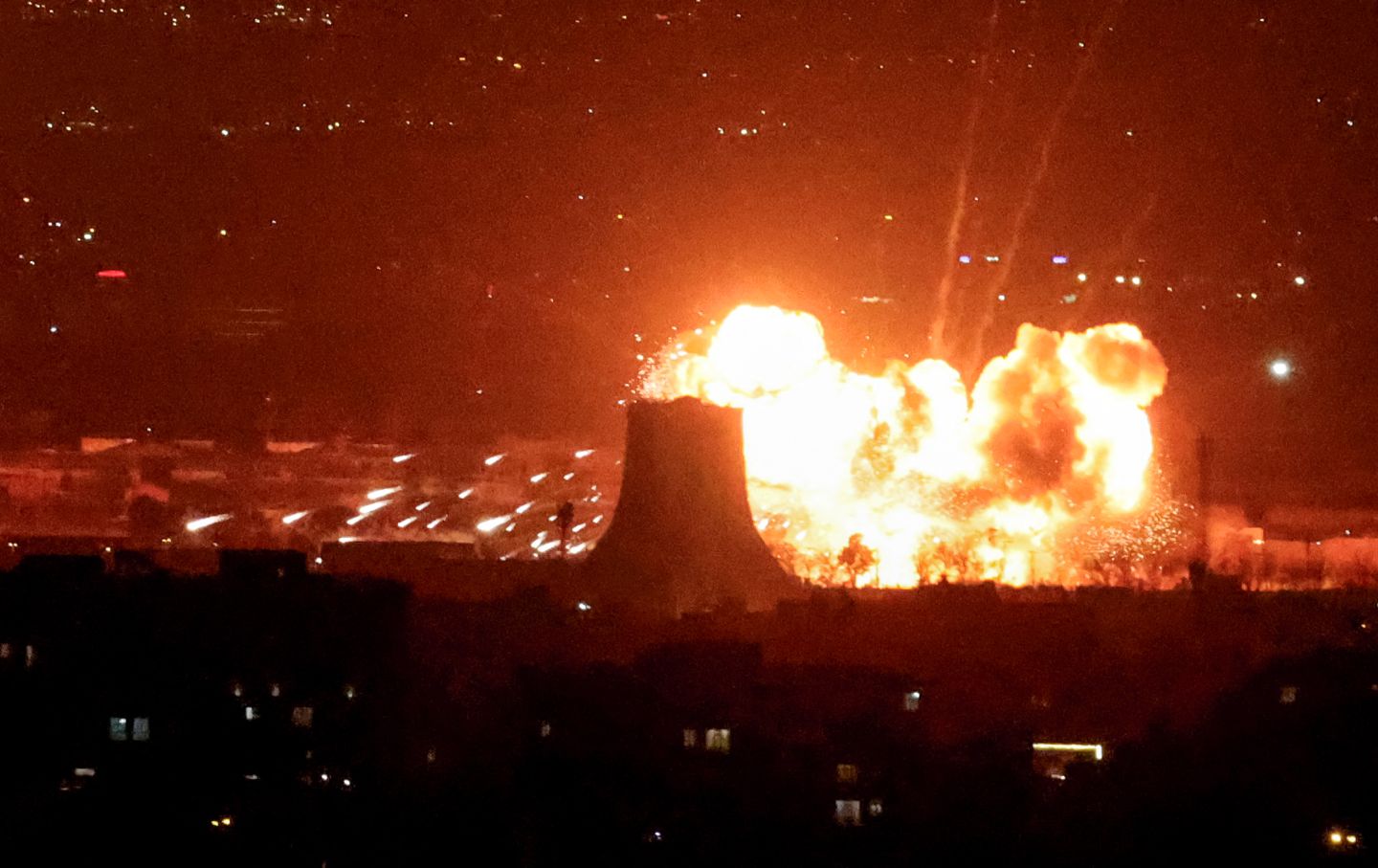
Starting a war in the Persian Gulf, a region that produces about a third of the world’s oil, could only send shockwaves through world markets.
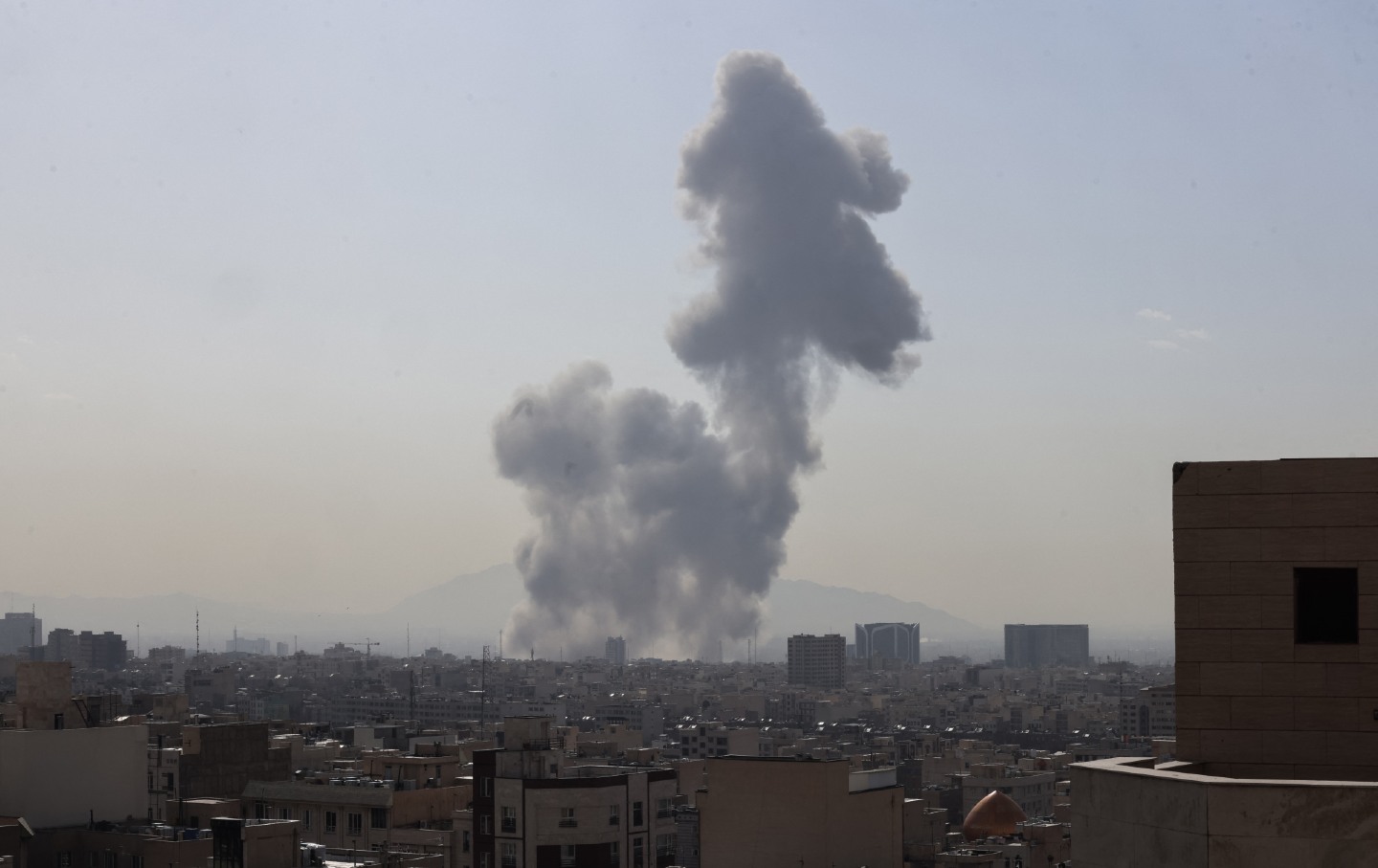
Yet the Trump administration, which joined Israel in launching a ruthless attack on Iran last month, appears unprepared for the Islamic Republic’s ability to retaliate with threats and attacks on shipping that have reduced the flow of tankers to a trickle.
This response creates significant disruption to global oil and natural gas supplies, with potentially significant consequences for consumers and businesses as well as geopolitical ramifications. “I was absolutely flabbergasted that the United States hadn’t been a little more planned about how it was going to handle this very, very predictable situation,” Bill Farren-Price, a senior fellow at the Oxford Institute for Energy Studies, said during a recent podcast.
The administration seemed to calculate that large increases in U.S. oil and natural gas production in recent years would somehow mitigate the consequences of conflict in the Gulf.
Thanks to advances in hydraulic fracturing and other drilling techniques, the United States has become the world’s largest producer of oil as well as the largest exporter of natural gas.
Current number

“The world is very well supplied with oil right now,” Energy Secretary Chris Wright told CNBC last month, as Trump built up his forces in the Gulf. “This gives President Trump more leverage in his policy actions to not worry about a crazy spike in oil prices.”
Yet those large reserves were not enough to calm markets after the Iranians effectively closed the Strait of Hormuz, the narrow gauntlet through which most of the Persian Gulf region’s oil and natural gas exports flow to their customers. “If it takes time, it will have a serious impact on the global economy,” Amin Nasser, chief executive of Saudi Aramco, the Saudi state-owned company that is the world’s largest oil producer, said Tuesday on a call with financial analysts.
On Monday, growing fears of a prolonged conflict and resulting disruption led to a surge in international crude oil prices to nearly $120 a barrel, the highest level since the aftermath of Russia’s 2022 invasion of Ukraine.
This push appears to worry Trump, or at least get his attention. The war is “pretty much complete,” he told CBS News.
This declaration helped lower prices, but they remain about 25 percent above pre-war levels. Because oil is a globally traded commodity, rising crude oil prices translate into higher prices for U.S. consumers of refined products like gasoline and jet fuel. The average price of gasoline in the United States jumped 17 percent in the week after the war began, to $3.45 a gallon, according to GasBuddy, a consumer website.
The consequences could be more serious for Europe, which has not yet fully recovered from the rise in prices caused by the reduction in natural gas flows from Russia following the war in Ukraine. Europe has largely replaced Russian natural gas with imports from elsewhere, notably the United States. Even before the war with Iran, some European analysts questioned the wisdom of this arrangement, given the administration’s skepticism of Europe and its attraction to far-right parties.
Trump’s war is also, in some ways, helping Russia. Moscow will reap more oil and gas revenues to support its war effort. Trump also granted India, one of Russia’s biggest customers, a temporary waiver to continue importing its crude.
Popular
“Swipe left below to see more authors”Swipe →
The war could also prove damaging to the aspirations of Gulf oil producers, such as Qatar, Saudi Arabia and the United Arab Emirates, which have become close allies and trading partners of Trump since the start of his second term. Qatar, one of the world’s largest natural gas exporters, temporarily closed its gas liquefaction facilities after the Iranian attacks. Saudi Arabia has the capacity to move much of its production to a terminal on its west coast, far from Iran’s reach, but its neighbors like Qatar, Kuwait and Iraq have little flexibility.
Trump appears to be betting that his and Israel’s brutal blows against the Islamic Republic will allow these countries to more safely pursue their ambitions of reallocating their oil wealth to other sectors like financial services and tourism.
But the consequences of drone attacks on tourist centers like Dubai and disruptions to air travel could persist. And what form of government and society will take shape in Iran, whose population of just over 90 million dwarfs that of its Arab neighbors, remains to be seen.
Even before February 28, the reasons for Donald Trump’s imploding popularity couldn’t have been clearer: rampant corruption and billions of dollars’ worth of personal enrichment during an affordability crisis, a foreign policy guided solely by his own abandoned sense of morality, and the deployment of a murderous campaign of occupation, detention, and deportation on American streets.
Today, an undeclared, unauthorized, unpopular and unconstitutional war of aggression against Iran has spread like wildfire across the region and Europe. A new “forever war” – with an ever-increasing likelihood of US troops on the ground – could very well be upon us.
As we have seen time and time again, this administration uses lies, misdirection, and attempts to flood the zone to justify its abuses of power at home and abroad. Just as Trump, Marco Rubio, and Pete Hegseth offer erratic and contradictory justifications for attacks on Iran, the administration is also spreading the lie that the upcoming midterm elections are threatened by non-citizens registered to vote. When these lies go unchecked, they become the basis for further authoritarian encroachment and war.
In these dark times, independent journalism is the only one that can uncover the lies that threaten our republic – and civilians around the world – and shine a light on the truth.
The nation‘s experienced team of writers, editors and fact-checkers understand the scale of what we face and the urgency with which we must act. That’s why we publish critical reporting and analysis on the war with Iran, ICE violence at home, new forms of voter suppression emerging in the courts, and much more.
But this journalism is only possible with your support.
This month of March, The nation must raise $50,000 to ensure we have the resources to produce reports and analysis that set the record straight and empower people of conscience to organize. Will you donate today?
More than The nation
The Canadian prime minister has presented himself as one of the most vocal Western critics of Trump’s neo-imperial order. What’s less clear is what he proposes instead.
Functionality
/
Jeet Heer
Trump destroyed a global system that primarily benefited the rich and powerful. We need to create something completely different in its wake.
Functionality
/
Robert L. Borosage

Sarah Knafo is young, media-savvy and in the race to become the next mayor of the French capital.
Phineas Rueckert
Through Nkrumah’s story, Howard French traces the history of African decolonization and the American civil rights movement.
Books and arts
/
Adom Getachew