What Trump’s next pick to lead the Federal Reserve means for your wallet


NEWYou can now listen to Fox News articles!
No institution has more influence over what Americans can afford than the Federal Reservewhich most people rarely follow but feel every month in their finances.
This influence is not always obvious. The Fed doesn’t decide the price of groceries or cars, but it does determine the cost of borrowing money to pay for them. And right now, borrowing is expensive. High interest rate That means higher monthly payments on mortgages, auto loans and credit cards, even if the sticker price of a home or vehicle hasn’t changed.
This makes the Fed’s leadership particularly consequential. On Friday, the president Donald Trump has named Kevin Warsh to succeed Federal Reserve Chairman Jerome Powell, a move that could change the central bank’s aggressiveness in its approach to interest rates.
TRUMP NOMINATES KEVIN WARSH TO SUCCEED JEROME POWELL AS FEDERAL RESERVE CHAIRMAN.
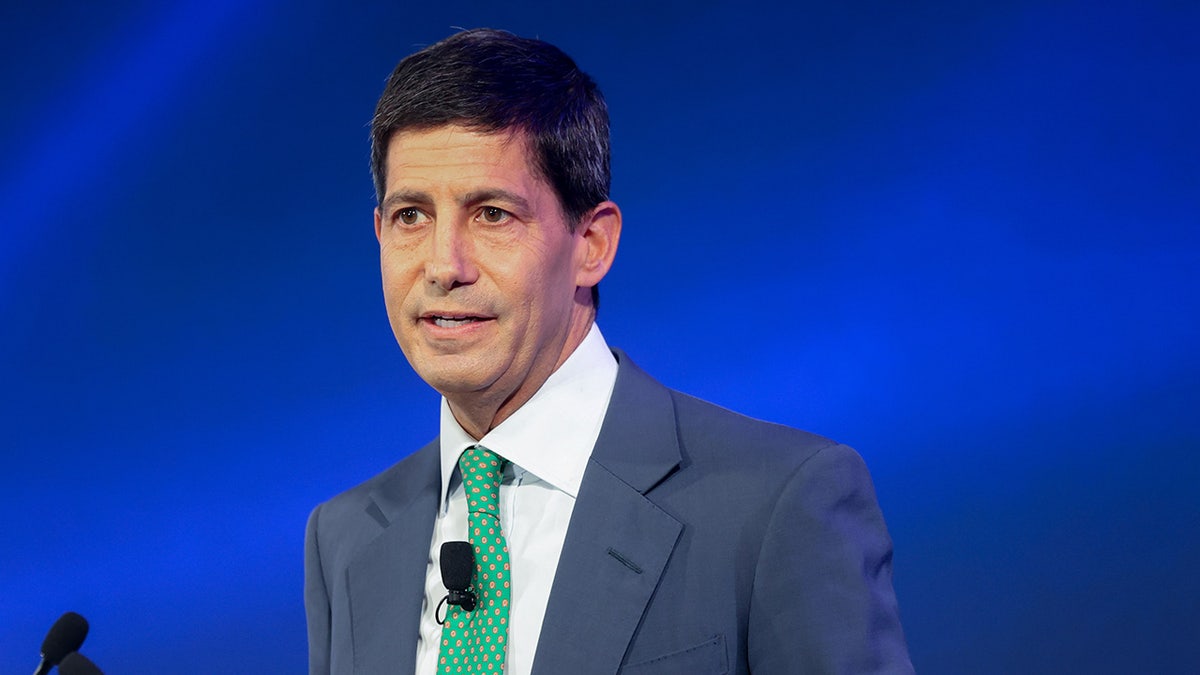
Kevin Warsh, former governor of the US Federal Reserve, has been chosen by President Donald Trump to lead the Fed. (Tierney L. Cross/Bloomberg/Getty Images)
Trump criticized Powell for not cutting rates more aggressively, even though he repeatedly described the economy as strong. Historically, rate cuts have generally been reserved for periods of economic weakness, not growth.
This disagreement on rates has concrete consequences. For many Americans, the effects are most visible in the housing and auto markets, two of the biggest expenses for most families. You don’t pay more just because the house or car suddenly costs more. You pay more because the money to buy it does.
These high borrowing costs act as a form of second inflation, pushing mortgages, auto loans and credit card bills to levels that strain household budgets. This is why everyday life can seem even more expensive. Prices may no longer be rising as quickly, but the cost of major purchases continues to rise.
THE PRICE OF BUILDING A HOUSE CONTINUES TO CLIMB – AND THE UNCERTAINTY IS NOT HELPING
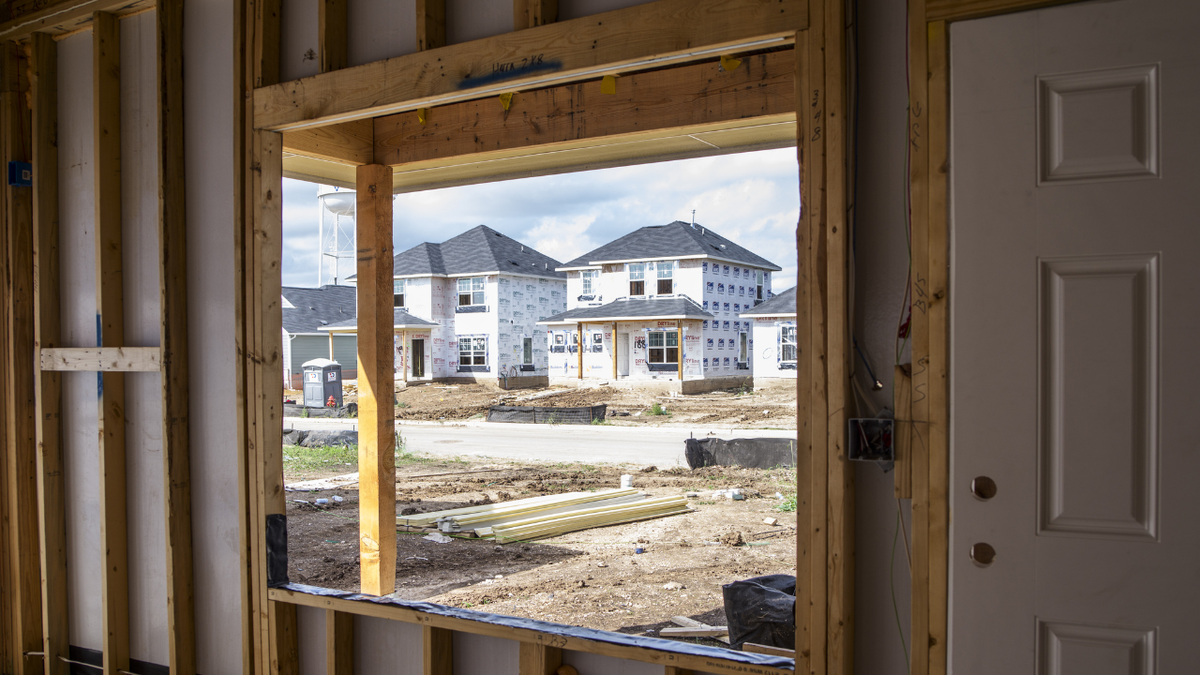
Rising costs for builders are ultimately passed on to buyers, pricing many out of the market. (Matthieu Busch/Bloomberg/Getty Images)
Economists say affordability won’t improve significantly until the Fed begins cutting rates and keeping them low enough to ease pressure on long-term borrowing.
This context has become a political liability for Trump, who campaigned on restoring affordability and easing household financial stress, but now faces growing voter skepticism about delivering on those promises.
A recent Fox News poll highlights the issues. When voters were asked what President Donald Trump’s top priorities should be, nearly four in ten cited either the economy as a whole (19%) or prices (17%).
Affordability concerns also give Democrats an early advantage in the congressional generic ballot, which asks voters which party they would support in their race for the U.S. House of Representatives in November. Although largely hypothetical at this point, the question offers an early benchmark for the upcoming election, according to Republican pollster Daron Shaw, who said the poll was a first reading and not a forecast.
“We’re asking this question at this point just to get a sense of how near-term forces might play out in the general election,” Shaw said.
YEAR IN REVIEW: HOW PRESIDENT TRUMP’S ECONOMIC AGENDA SHAPES SO FAR
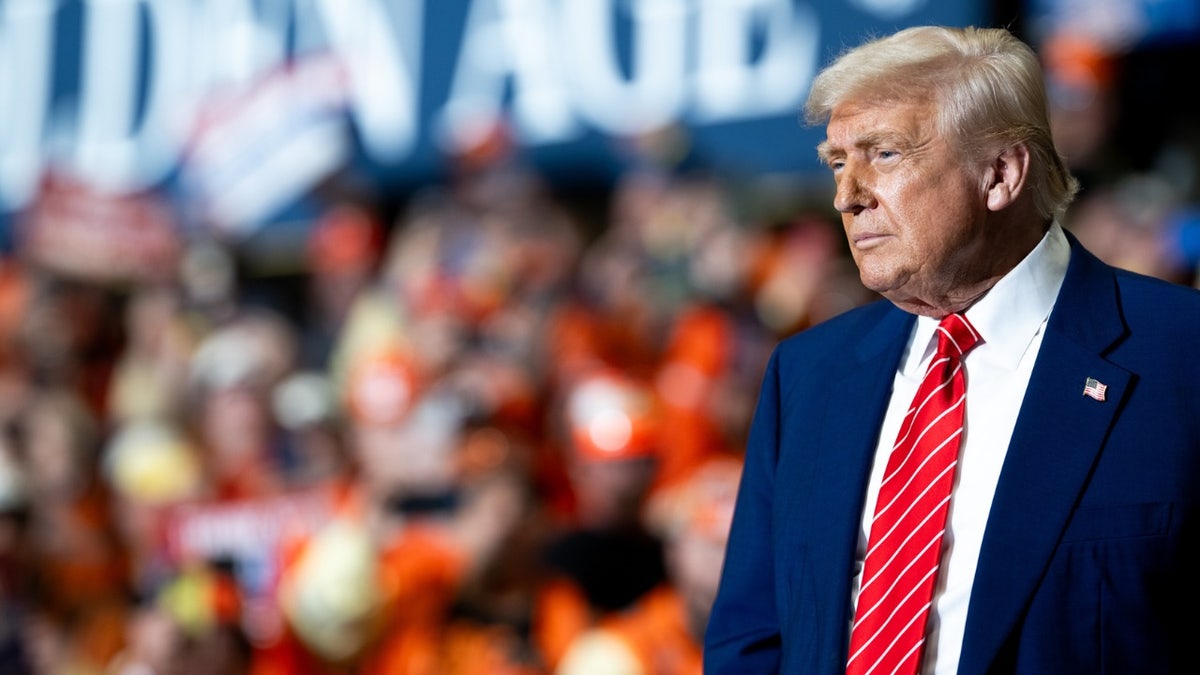
President Donald Trump has embarked on a national tour to address economic concerns. (Daniel Torok/Official White House Photo)
Democrats leaned heavily on themes of affordability in state and local elections this fall, and it paid off.
In places like Virginia, New York and New Jersey, where voters were pressured by high pressure housing costs and utility bills, Democratic candidates used Trump’s early economic moves, including his trade policies, to argue that his policies were worsening the affordability crisis rather than alleviating it.
CLICK HERE TO DOWNLOAD THE FOX NEWS APP
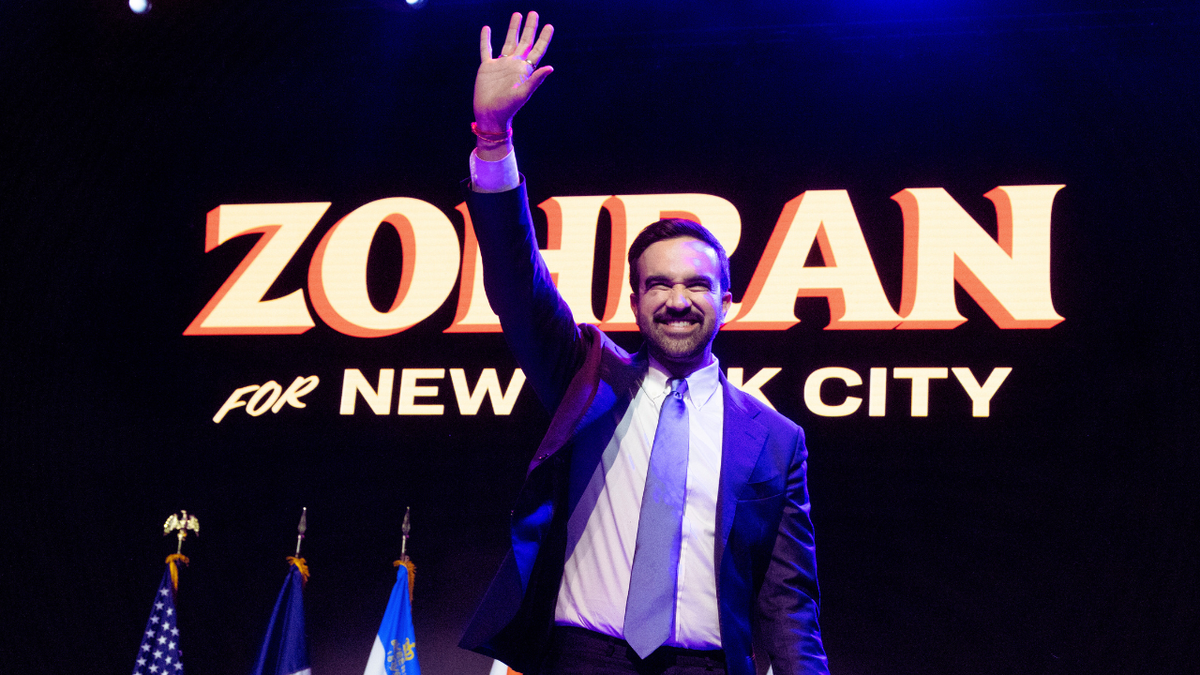
New York City Mayor Zohran Mamdani has put affordability at the center of his campaign to lead the United States’ largest city. (Andrew Lichtenstein/Corbis/Getty Images)
They promised to rein in energy costs, expand affordable housing and protect middle-class wages, a message that resonated with voters and that analysts say reflects a broader trend. In a economy where many still feel exhausted, the party that speaks most directly to people’s wallets often wins.
The Fed’s decision on rate cuts will shape the trajectory of the economy and the affordable standard of living for millions of Americans in the new year.