Why are ‘premium’ laptops so afraid of ports?


I’ve reviewed many laptops for PCWorld and noticed something I don’t like: the more expensive the laptop, the fewer ports it has. It’s been this trend for a while now, but lately it’s gotten a lot worse – and it sucks.
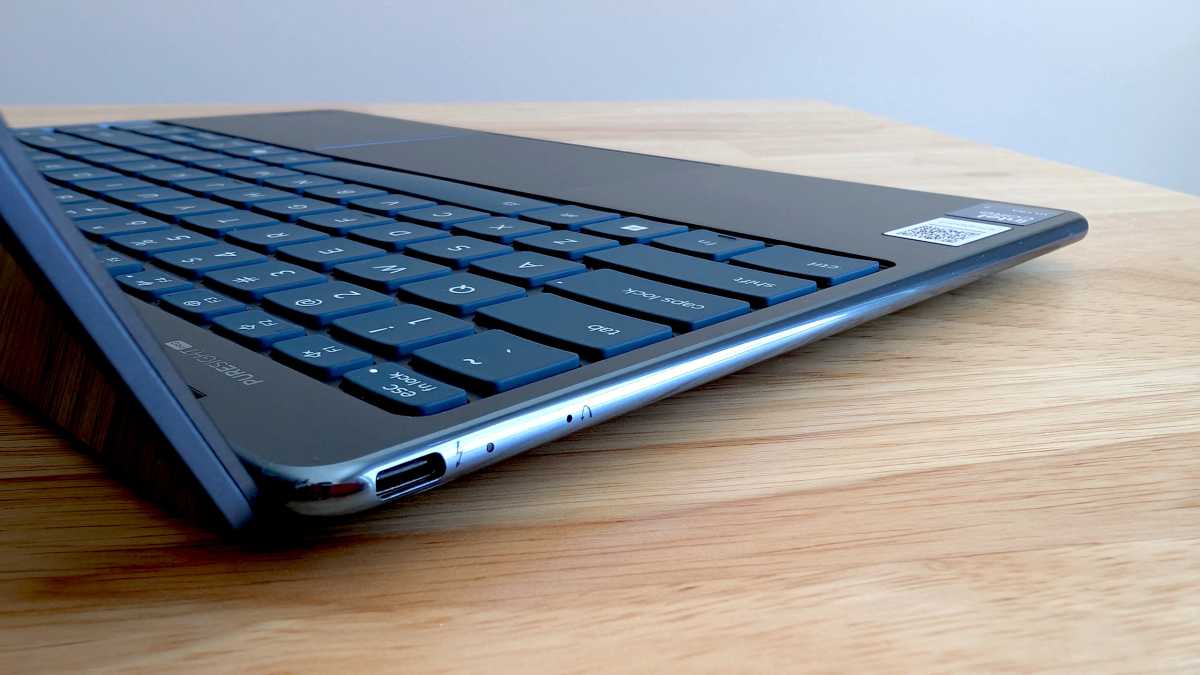
In my time as a laptop reviewer, I’ve seen budget options packed with ports, sometimes even managing to fit Ethernet jacks into their small frames. But I’ve also seen luxurious high-end models with almost no port, and that’s flat out wrong. Some even omit the headphone jack!
These days, if you’re in the market for a high-end laptop, there are some real pitfalls to be aware of…and connectivity is one of them.
High-end laptops often skimp on ports
Laptop makers seem to think customers want to pay more money for less ports, but that’s absurd. The idea that a professional spending $3,000 on a 4.5 pound laptop doesn’t want the option of plugging in an HDMI cable just seems ridiculous to me. But based on the many laptops I’ve reviewed, laptop manufacturers disagree with me. They think you’ll pay extra if it means fewer ports.
Chris Hoffman / Foundry
Here are some examples of laptops I’ve reviewed in the last year alone that exhibit this kind of attitude toward ports:
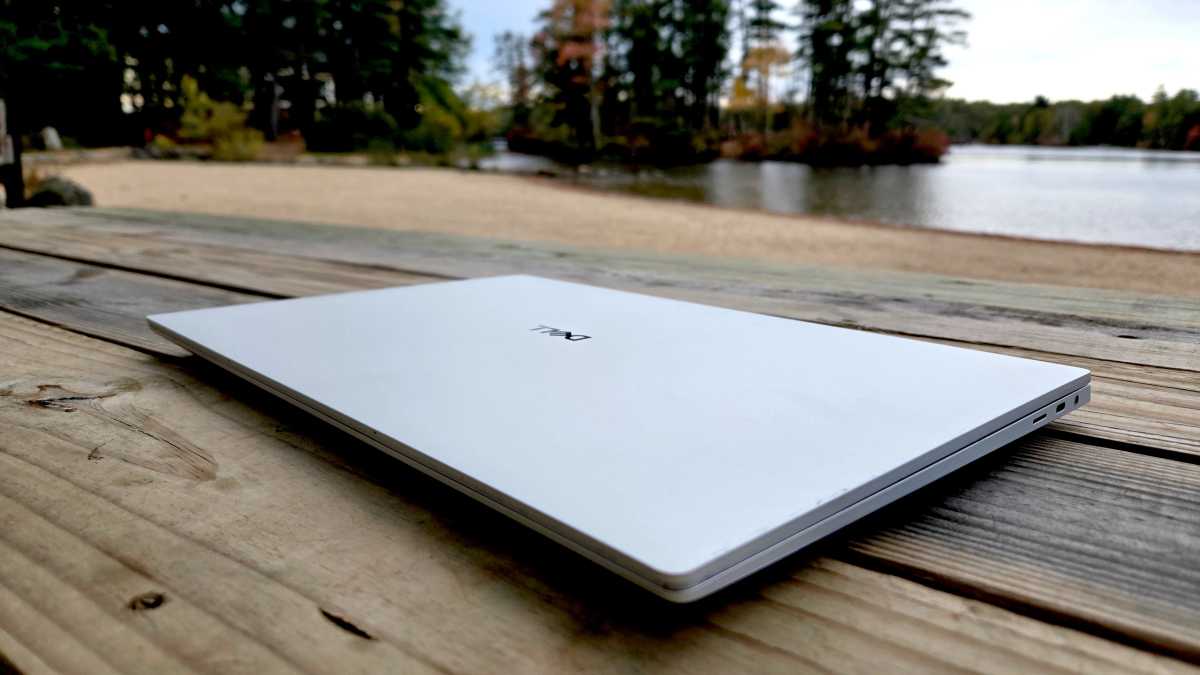
- The Dell 16 Premium is a $3,199 premium laptop with discrete Nvidia graphics, but it omits HDMI and USB-A ports.
- The Acer Aspire Go 15 is a brilliant $499 laptop with both USB-A ports and an HDMI port.
- The Lenovo Yoga Slim 9i 14 is a premium $1,899 laptop that lacks a headphone jack. You get two USB-C ports… and that’s it!
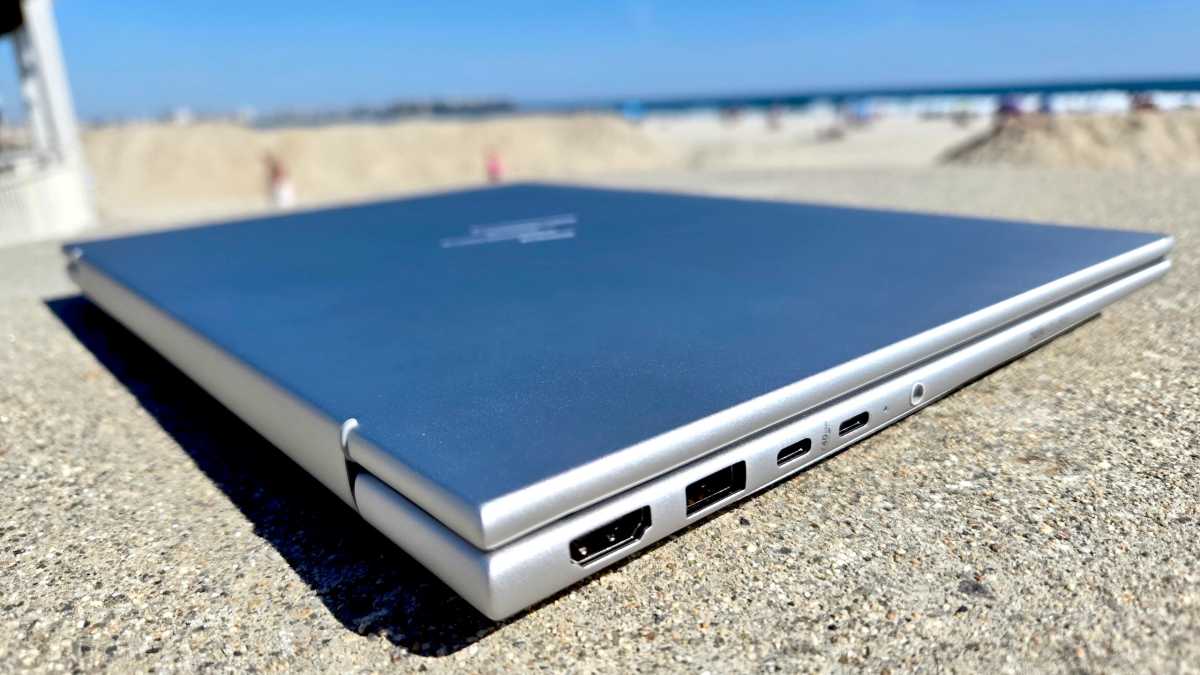
- The HP EliteBook 6 G1q with 5G is a $1,695 business laptop whose 5G bumps up its price, but it somehow manages to also pack Ethernet and HDMI into a compact, mobility-focused machine.
Again and again, it’s the same story that plays out: manufacturers design premium laptops with aesthetics, thinness, and tapered edges in mind, while budget laptops are designed for practicality. Somewhere, I’m sure there is a laptop designer dreaming of wireless charging with the ultimate goal of creating a portless laptop. Ugh.
If you ask me, I feel like TRUE The everyday luxury experience these days is to opt for a “budget” laptop that doesn’t require you to plug in a USB hub or connect a high-speed dock just for an HDMI output, connect a traditional USB-A drive, or even plug in a pair of headphones.
Business laptops tout their ports
The funny thing is that manufacturers offer sleek designs with minimal ports as high-end options, but when it comes to business laptops, they only focus on marketing the port selection. “This laptop has plenty of ports, so you don’t have to worry about taking a dongle with you,” they say. “It’s a big improvement for workers.”
Chris Hoffman / Foundry
This is absolutely true and PC makers should brag about it. But PC makers themselves are to blame for ports becoming a rare commodity.
A budget laptop has many ports, a high-end laptop costs more because it delete these ports, then a professional laptop designed for work costs more and offers a reasonable selection of ports. This is the landscape we find ourselves in now.
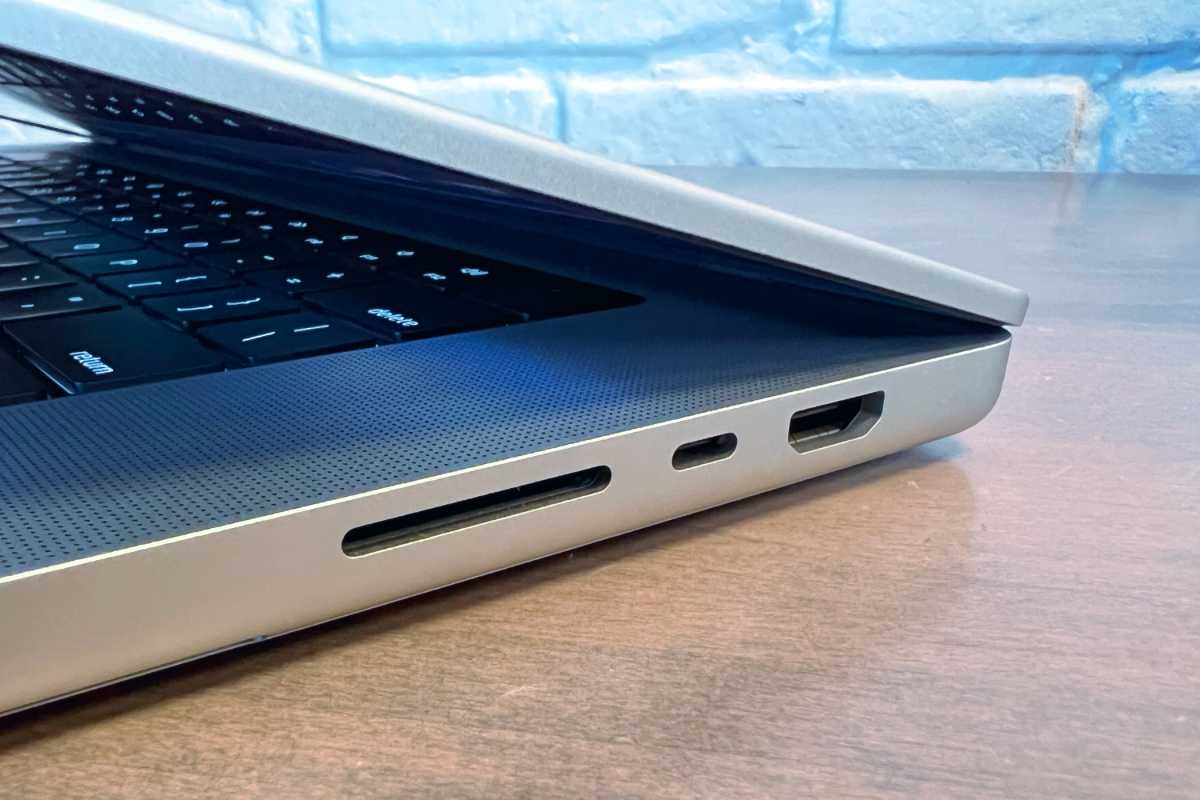
Even Apple’s MacBook Pro has HDMI and a headphone jack
You might assume that this state of affairs is Apple’s fault and that PC makers are following Apple’s design choices. This is not true. MacBooks offer more ports than “luxury” Windows laptops.
For starters, all Apple MacBooks still have audio jacks. Meanwhile, a handful of Lenovo machines lack a headphone jack, including the Lenovo Yoga Slim 9i 14 and the Lenovo Yoga Book 9i. If 3.5mm audio is important to you, be wary of buying high-end Lenovo laptops!
Foundry
To be fair, Apple has removed the USB-A port from its machines and the base MacBook Air only offers two Thunderbolt 4 (USB-C) ports. However, all MacBook Pro models have HDMI ports and SDXC card slots.
So no, Apple is not to blame here. Only a PC maker would sell a high-end machine for $3,199 for professionals and ignore the HDMI port. Only a PC maker would decide that a laptop doesn’t need an audio jack. Even Apple refuses to remove the traditional 3.5mm audio jack from laptops!
Thin laptops are the new small frames
Thin laptops are comfortable to hold. When I pick up a review laptop and feel smooth metal and glass with a tapered edge and an almost impossibly light weight, I’m immediately impressed.
But once I try to plug in devices and realize there’s no USB-A or HDMI, I wince. If there’s no 3.5mm audio jack, I’m scratching my head in confusion. Not what I expect from a laptop. Instead of just carrying a laptop, you now have to carry a laptop no longer a hub.
This reminds me of the craze for thin glasses a few years ago. Laptop reviewers have focused a lot on the size of the bezels around a laptop’s screen: the smaller the bezel, the more premium the machine.
Chris Hoffman / Foundry
Personally, I don’t see the point. Yes, a clean laptop design can be nice. But you can see exactly what the frames look like in the photos: you don’t need me to measure the frame with a ruler and give the laptop a review score based on the frame size of a machine. A laptop offers much more than that.
In the same way, laptops are becoming more and more differentiated on design that functionality. If removing the HDMI port or even the headphone jack makes the laptop look like an impressive piece of art in a photo or in-store display, manufacturers will go for it.
Ports aren’t the only things sacrificed either. Sometimes a nice laptop feel light as a feather but doesn’t have the battery life to get me through a work day. For what? Because the laptop maker prioritized lightweight over long battery life.
Note the Ports When Buying a Laptop
If you’re buying a laptop, I always recommend paying close attention to its ports. Chances are you’ll want at least HDMI, an SD card slot, and maybe even Ethernet. Additional USB-C ports are also useful, especially on laptops that charge via USB-C. (I like to see a USB-C port on each side of the laptop so you can plug it into either side to charge.)
When we review laptops here at PCWorld, we always list the ports they offer, and I always take that into account when writing up the pros and cons of a laptop. That’s how important they are.
Unfortunately, if you want a laptop with lots of ports these days, you’ll probably have better luck with a budget laptop than a high-end one. On the other hand, if you are almost Never plug anything into your laptop, you might like a thin and light high-end laptop with minimal ports. As for me? I don’t want to live with a laptop that’s so “fancy” that it doesn’t have an audio jack.

.jpg.png?w=390&resize=390,220&ssl=1 "Your Weekly Horoscope: December 14 to 20, 2025")


