Why don’t teeth count as bones?


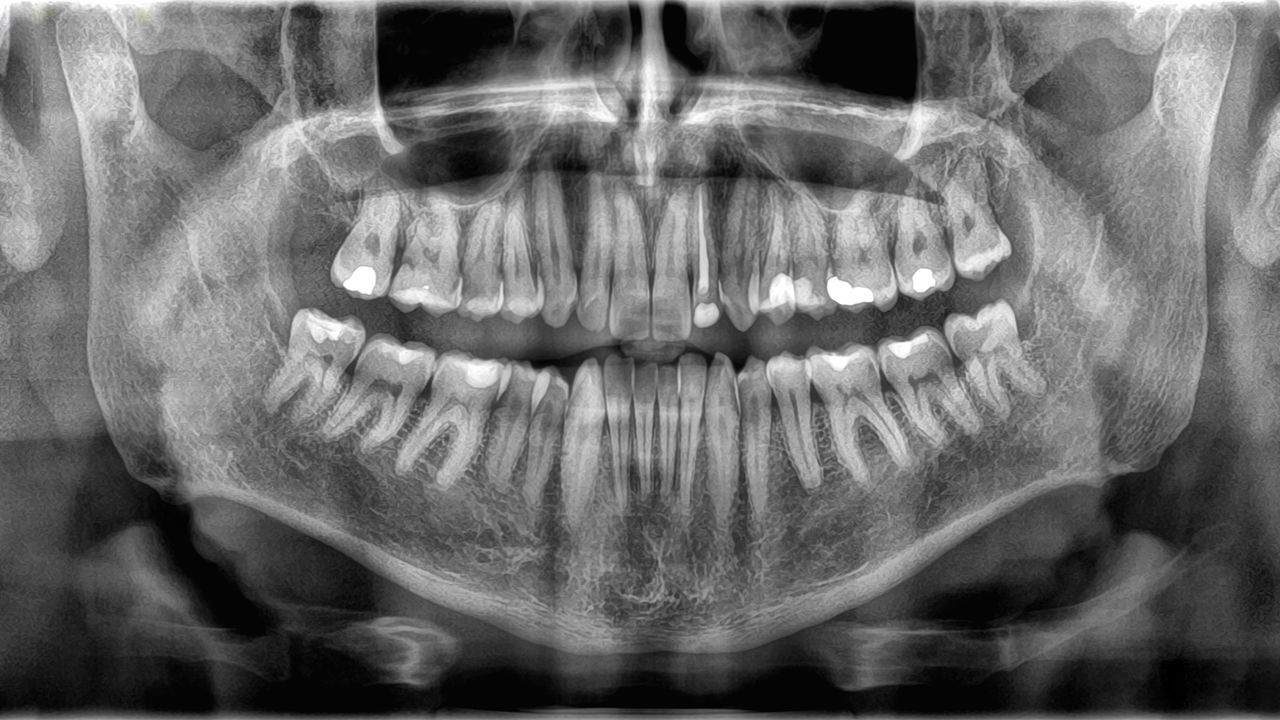
At first glance, teeth look a lot like bones: both are hard, white and rich in calcium. So why aren’t teeth considered part of the skeletal system? Although teeth and bones share some basic similarities, they are actually very different.
The great resemblance between teeth And bone that’s what they’re made of: hard tissue composed of minerals, like calcium, phosphorus, fluoride and magnesium. On a molecular level, these minerals form a strong crystalline structure, making teeth and bones much harder than anything else in the body.
Functions of teeth and bones
One reason teeth aren’t considered part of the skeletal system is that they serve an entirely different function than bones, Hewlett said. The primary function of teeth is to break down food as it enters the digestive tract, although they also play an important role in speech production. By their primary function, your pearly whites are considered part of the digestive system.
Bones have different functions. They provide structure and support to the body, creating attachment points for our muscular system. They also protect vital organs, housing key parts of the body such as the heart and lungs. And bones serve as factories for producing red and white blood cells, which respectively carry oxygen around the body and play a key role in the immune system.
There is, however, a slight overlap in the functions of teeth and bones. The jaw bones help support the teeth and are important for chewing, for example.
“They work together but are separated,” Hewlett said.
Structure of teeth and bones
Because bones and teeth perform different functions, they are also built differently. The external structure of the teeth is called e-maila thin layer of mineralized tissue. Enamel is the hardest substance in the body – a property it gains from packed crystals made from a compound of calcium and phosphate.
Beneath the enamel is dentin, a type of mineralized tissue that is slightly softer than enamel but nonetheless hard. Dentin makes up most of a tooth’s structure and contains tiny tubes that hold blood vessels and nerve endings. The core of the tooth is made up of a gel-like substance called pulp, which houses more blood vessels that supply nutrients to the tooth and the nerves that control sensation in the tooth.
THE bone structureon the other hand, is completely different from that of teeth.
Bones are covered by a very thin, strong outer layer called the periosteum, which houses both the blood vessels and nerves essential for tissue growth and healing. The next layer is composed of compact and durable bone tissue. The inside of a bone contains spongy tissue, a sponge-like substance with tiny holes that houses bone marrow, where new blood cells are made.
Living or dead tissue
You may have noticed that, unlike teeth, bones are permeated with nerves and blood vessels both inside and out. This is because bones are living tissue, while teeth are not – and this is one of the most important differences between the two.
Teeth form during fetal development and early childhood from specialized cells called ameloblasts And odontoblastswhich create layers of enamel and dentin that harden over time. Once this process is complete, the cells forming the enamel die, meaning that if a tooth is chipped or broken, the lost tissue will not grow back. Although the pulp inside the tooth is made up of living tissue, it cannot help regenerate these outer layers of dentin or enamel.
Bones, on the other hand, are dynamic structures that constantly remodeling. They contain a network of blood vessels, nerves and living cells called osteoblasts and osteoclasts which build new bones and break down old tissues respectively. This constant renewal allows bones to heal after a fracture and adapt to changes in the body, such as changes in an individual’s stress or activity level. In fact, most of the adult skeleton is completely renewed. approximately every 10 years.
“The bone is more of a living part of the body,” Hewlett said. “But take care of your teeth, they won’t grow back.”


