Why I don’t use Windows Hello, even though it’s more secure


Functionality
It’s a pin all the way for me!

Image: Logitech
Windows Hello is the functionality integrated into Windows 10 and 11 which allows users to connect with their biometric identification, namely facial recognition and fingerprint analyzes. This connection method is generally considered to be more practical for users and more secure than traditional password and pin methods, but I still do not use it. Here is why.
1. It’s slower than a pin
Microsoft says that the look of Windows Hello is the speed at which users can unlock their PCs. For me, however, I experienced regular delays in facial recognition and the fingerprint scan, which made access to my frustrating and slow office compared to simple entrance, so a pin remains my favorite method.
2. It is not as reliable as traditional authentication
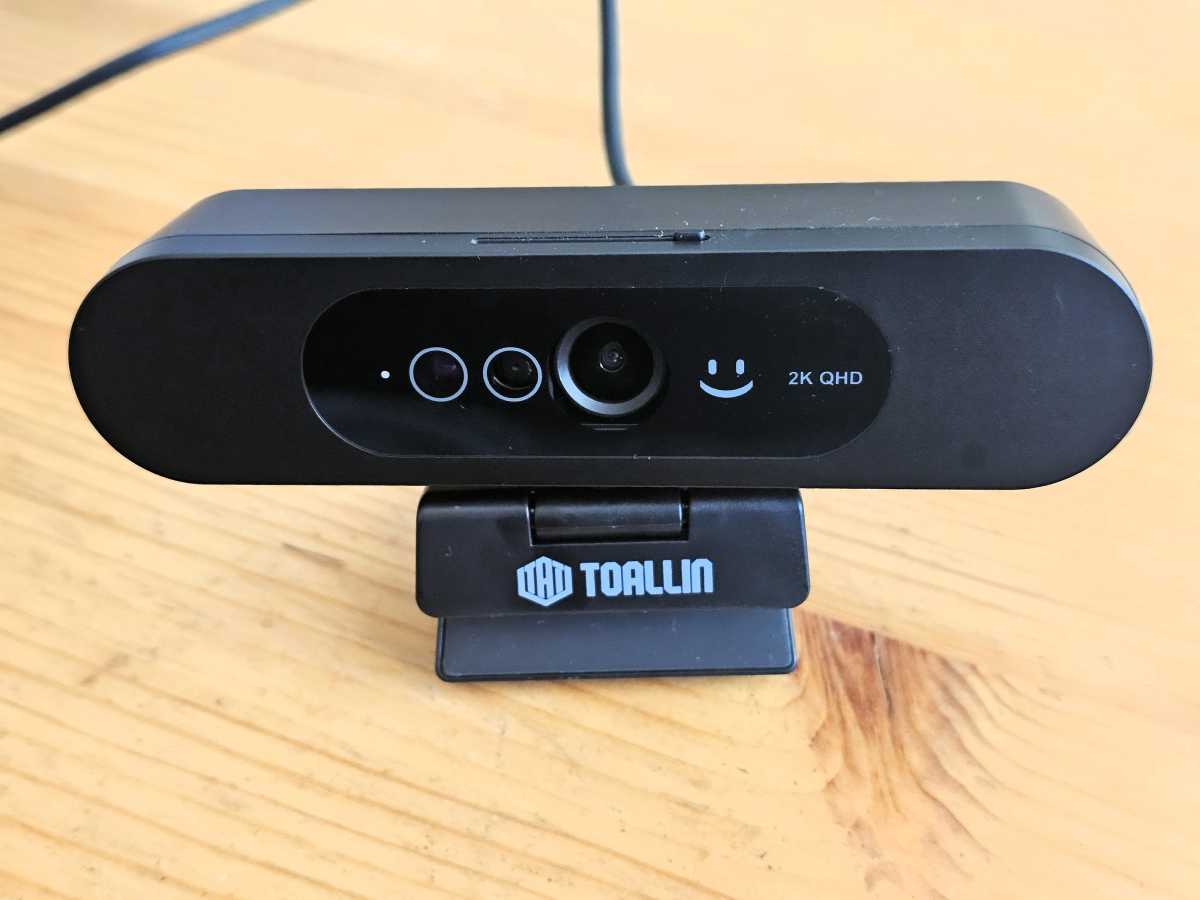
I found that facial recognition technology did not read me in certain circumstances. For example, when I have a bright desktop, or when I wear a hat. Again, these things can cause waiting times and prolonged frustration because I have to modify what I wear or lighting in my room so that it can read correctly.
Mark Hachman / Foundry
3. The experience varies with my other material
My experience with Windows Hello in the past 12 months has varied a lot with the material capacities of my various devices. For example, I have an old laptop with a poor quality fingerprint scanner that would miss the scan each time. He also has a camera lower than the path that would find it difficult to recognize my image under certain conditions. However, my work laptop, which is a premium laptop with an advanced sensor, seemed to work each time.
Read more in -depth: Best Webcams 2025: Best choices and experts in buying experts
4. Pin feels more familiar
It seems just more familiar using traditional authentication methods compared to biometric authentication. I have connected with a password for many years now and the old habits die hard. The authentication of pins feels closest to this.
Why do I want to use Windows Hello
Despite the problems I encountered with Windows Hello, I would like it to work for me in the future. It is likely that Windows devices become more omnipresent, Microsoft will make Windows Hello accessible on a larger range of devices, so I don’t want to be left behind.
It is also likely that Microsoft will continue to optimize Windows Hello, taking advantage of automatic learning progress to make technology more precise and improve recognition speeds and adaptability to user changes.
Experts speculate that IA -focused improvements will lead to a more futuristic experience of Windows Hello which will make it more reliable and less buggy. When this happens, I am absolutely.
Related contents


