Your Frenchie’s squishy face might shape their personality


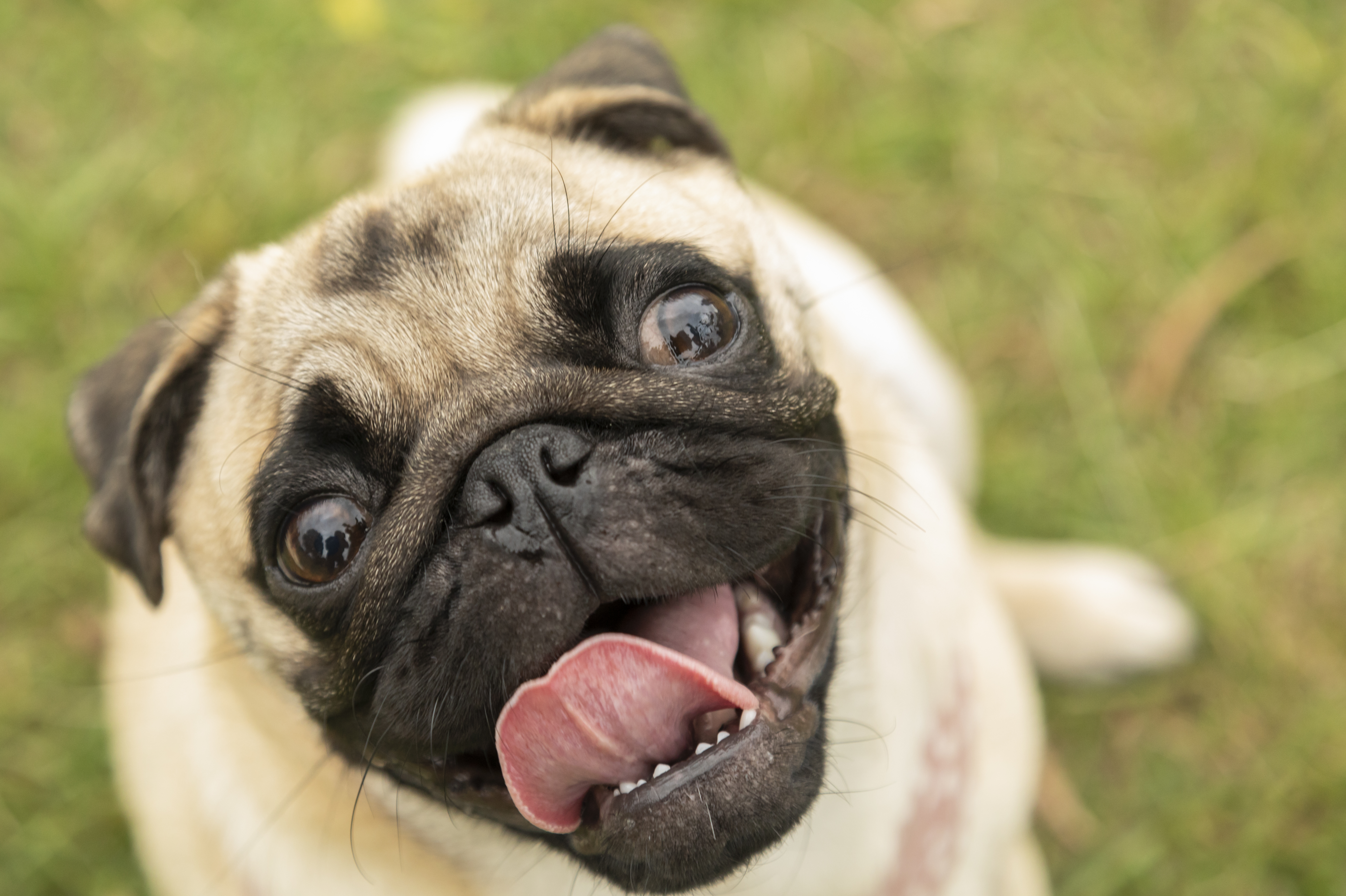
French bulldogs, carlins and other short-circuited dog breeds have had a dog enthusiasts for years now. The French have ended the 31 -year reign of Labrador Retriever as a favorite dog breed in America in 2023 and have remained at the top of the classification of the American Chenil club since. Their infantile faces, their compact size and their calm and playful behavior seem to prevail over the costs of managing their long documented chronic health problems.
According to a study recently published in the journal AnimalsThe short nose can influence the behavior of these breeds, but their body size and their treatment of owners are just as important. The team found that short nose breeds can really be quieter and less reactive than other types of dogs, but these advantages often do not emerge without appropriate training.
Nature vs nurture
The owners generally describe the breeds of short nose as interactive, friendly and fun. A 2021 study has even shown that these types of dogs establish visual contact with humans more frequently than other breeds and are also more effective in monitoring human gestures.
The team of the Eötvös Loránd University in Budapest, Hungary, was curious if these positive behavioral traits really arise from their whim or if they are the result of good training and animal property. To find out more, they compared four personality traits and four behavioral problems in more than 5,000 pure dog dogs. They examined them in relation to the shape of the head of the breeds, the size of the body, the maintenance conditions and the characteristics of the owner, using questionnaire data that has been collected in Germany.
They found that when only the shape of the head is considered, short nose dogs seem calmer and daringly more daring than long nose dogs. However, they also show less favorable features. They are more difficult to train, reluctant to come back when their name is called and to react excessively to the guests arriving at home.
An additional analysis has also revealed that the short -nose -nose typical in their investigation is more often smaller, young, without neutrality, not formed, kept exclusively inside and authorized on the bed more frequently than other dogs. Their owners are also generally young women who have never been a parent of animals before, live alone and spend a lot of time with their dog. These factors also influence behavior and could hide the direct effects of the shape of the head. For example, owners of experienced dogs generally have better trained animals, older dogs are generally quieter and small dogs are generally more likely to jump on people.
Traits linked to the shape of the head
In the next phase of the study, the team used more detailed statistical analyzes to examine whether external factors deleted or amplified this link between the shape and the behavior of the head.
“We have found that the low transformation of short nose dogs is mainly due to their small body size and their lack of training – not their head form. When we control these influences, there is no difference in the transformation through the forms of the head,” said Borbála Turcsán, a co -author and biologist of the study said in a press release.
However, analyzes have also revealed that certain behavioral features are really directly linked to the shape of the head. For example, short -nose dogs are less friendly towards other dogs, but this is compensated by their youth (younger dogs are generally more sociable). When the effects of lack of training, small size and well-being are all taken into account, short-nose dogs are genetically less likely to show other “bad dog” behaviors, especially jumping on people, shooting the leash or reacting excessively when guests arrive.
“Calm, audacity and bad recall response are all specific features for short -headed dogs. These behavioral features are directly connected to the shape of the head and remain significant even when we control the background factors, ”adds Turcsán.
[ Related: Humans might just love French bulldogs because they remind them of babies.]
Innate features do not compensate for good training
As for the reasons why the behavior of the short face could be directly linked to the head of the head, all of this can come back to the way their brain is built.
“The brains of short nose dogs are more rounded and their brain activity models differ from those of other races, so it is easy to imagine that their brain regulates behavior differently,” said the Enikő Kubinyi biologist. “It is also possible that dogs with breathing difficulties, pain or musculoskeletal problems move less and seek comfort, which the owners interpret as a calm behavior.”
These dogs have innate positive features (mainly this calm and low responsiveness), but the negative effects of small size and lack of training can cancel them. The team points out that even dogs with a flat face need coherent training and not to shit for these good features to really show during the dog park.

More offers, reviews and purchasing guides


