$50 billion fund for hospitals could actually lead to cuts : NPR

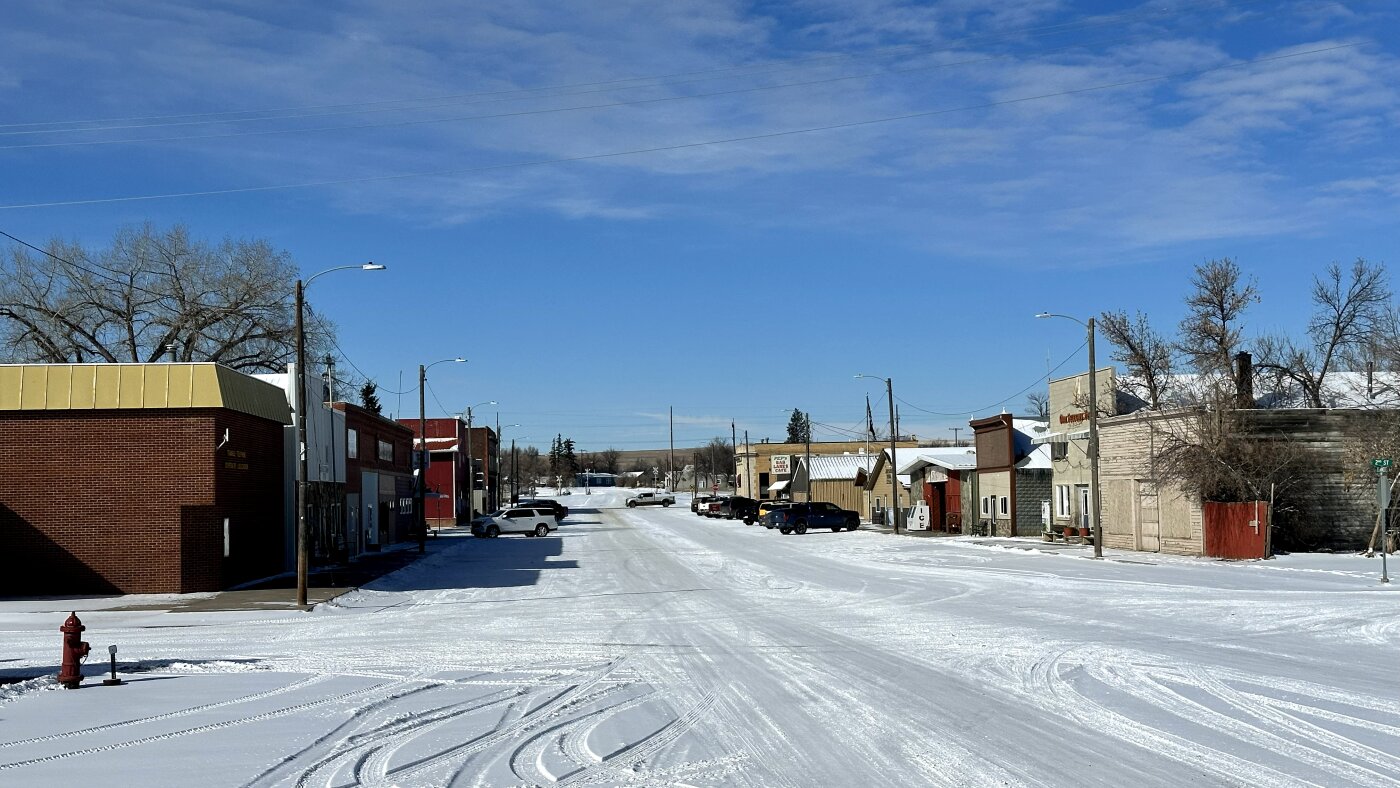

Big Sandy, dans le centre-nord du Montana et abritant près de 800 habitants, est une communauté agricole et d’élevage isolée à environ 80 miles de la grande ville la plus proche.
Aaron Bolton/Radio publique du Montana
masquer la légende
basculer la légende
Aaron Bolton/Radio publique du Montana
Le service des urgences du centre médical Big Sandy, dans le Montana, ne comprend qu’une seule pièce, avec un seul rideau entre deux lits.
C’est l’une des nombreuses parties de l’hôpital rural de 25 lits qui ont besoin d’être rénovées, a déclaré le PDG Ron Weins en parcourant les couloirs. L’installation est un service essentiel pour la communauté, a déclaré Weins.
Il a déclaré que l’hôpital, situé dans la ville homonyme de près de 800 habitants dans les hautes plaines tentaculaires du centre-nord de l’État, a besoin d’au moins 1 million de dollars pour l’entretien différé, y compris un système CVC défaillant. Mais l’établissement a du mal à payer les salaires chaque mois et ne peut pas se permettre d’effectuer toutes les réparations, a déclaré Weins.
Construit par des agriculteurs et des éleveurs en 1965, le centre médical Big Sandy comptait à ses débuts neuf lits. Aujourd’hui, un effort communautaire similaire – des dons et des subventions pour boucher les trous financiers chaque année – le maintient à flot.
Weins souhaite que Big Sandy puisse obtenir un financement de la part du Montana du programme fédéral de transformation de la santé rurale de 50 milliards de dollars pour rénover l’hôpital et des paiements directs pour aider à assurer son avenir. L’État a reçu plus de 233 millions de dollars lors de sa première année d’attribution.
Mais l’hôpital de Weins ne recevra peut-être pas le genre d’aide qu’il recherche.
En effet, le programme fédéral quinquennal se concentre sur des moyens nouveaux et créatifs d’améliorer l’accès aux soins de santé en milieu rural, et non sur le financement direct des services et des rénovations. Et le Montana est l’un des dix États au moins dont les dirigeants affirment que les projets lancés dans le cadre du programme fédéral pourraient conduire les hôpitaux ruraux à réduire leurs services afin de pouvoir continuer à offrir des soins d’urgence et d’autres soins essentiels.
Les Républicains du Congrès ont créé ce fonds comme un édulcorant de dernière minute à leur One Big Beautiful Bill Act, promulguée l’été dernier. Le financement était destiné à compenser les retombées disproportionnées attendues dans les communautés rurales de la loi, qui devrait réduire les dépenses de Medicaid de près de 1 000 milliards de dollars sur 10 ans.

Le service des urgences de l’hôpital Big Sandy se compose d’une chambre simple avec deux lits et seulement un rideau entre eux pour plus d’intimité. L’éleveur Shane Chauvet a été stabilisé ici après qu’un morceau de métal lui ait presque sectionné le bras lors d’une tempête de vent il y a quelques années.
Aaron Bolton/Radio publique du Montana
masquer la légende
basculer la légende
Aaron Bolton/Radio publique du Montana
La demande de financement du Montana comprend des programmes visant à permettre aux résidents ruraux d’obtenir plus facilement des soins médicaux et de mener une vie saine. Par exemple, il indique que le financement peut être utilisé pour créer des jardins communautaires, former des ambulanciers paramédicaux pour effectuer des visites à domicile, ouvrir des cliniques en milieu scolaire ou implanter des cliniques mobiles dans les zones rurales.
La demande indique également que les hôpitaux ruraux du Montana peuvent recevoir des paiements pour la mise en œuvre des recommandations, « y compris le dimensionnement approprié des services aux patients hospitalisés » pour correspondre à la demande. Dans certains cas, dit-il, un dimensionnement approprié peut signifier une « réduction des effectifs ». L’État affirme que les hôpitaux auront leur mot à dire et que les recommandations seront spécifiques à chaque établissement.
“C’est ce qui met tous les hôpitaux sous tension, des mots comme restructuration, réduction des lits d’hospitalisation. Tout le monde se demande : ‘à quoi cela va-t-il ressembler ?'”, a déclaré Weins.
Le ministère de la Santé publique et des Services sociaux du Montana a refusé de répondre aux questions sur la manière dont il mènera ses efforts de redimensionnement.
Une bouée de sauvetage pour les soins
L’éleveur de bétail de Big Sandy, Shane Chauvet, ne veut pas de suppression de services.
Il attribue au centre médical Big Sandy le mérite de lui avoir sauvé la vie après qu’un morceau de métal volant lui ait presque coupé le bras lors d’une tempête de vent il y a quelques années.
“J’ai regardé, je l’ai vu venir, et c’est parti !” Chauvet a rappelé.
Sa femme l’a conduit à l’hôpital, où ils ont frappé frénétiquement à la porte des urgences tandis que le sang de Chauvet s’accumulait sur le sol.
En raison de la tempête, le personnel a travaillé sur Chauvet sans électricité ni possibilité de faire appel à un hélicoptère. Il a ensuite été transporté en ambulance sur 80 miles sous une pluie intense et sous la grêle vers un plus grand hôpital.
Chauvet comprend que le plan de l’État ne prévoit pas d’éliminer les soins d’urgence, mais il craint que la réduction d’autres services n’entraîne une spirale descendante pour l’hôpital et sa ville.

Le ranch d’Erica et Shane Chauvet surplombe la petite ville de Big Sandy, dans le Montana. Shane remercie l’hôpital local de lui avoir sauvé la vie après un accident. Il dit qu’il considérait autrefois l’hôpital comme un luxe pour une si petite ville, mais qu’il considère désormais cet établissement comme essentiel à la survie de la communauté.
Aaron Bolton/Radio publique du Montana
masquer la légende
basculer la légende
Aaron Bolton/Radio publique du Montana
En Oklahoma, le réalignement des services cliniques pourrait signifier « la fermeture des lignes de service », selon son application au programme fédéral. Et dans le Wyoming, tout établissement qui reçoit un financement doit accepter de « réduire les lignes de services non rentables, redondantes ou non essentielles », conformément à la loi sur la santé rurale.
Monique McBride, administratrice des opérations commerciales au ministère de la Santé du Wyoming, a déclaré que le ministère interprète le dimensionnement comme aidant les hôpitaux ruraux à fournir des services essentiels – tels que les services d’urgence, les services d’ambulance et les unités de travail et d’accouchement – tout en maintenant une stabilité financière à long terme.
“Cela pourrait impliquer de limiter certaines procédures électives qui pourraient être pratiquées à moindre coût dans des établissements à plus grand volume. La principale distinction ici réside dans les urgences urgentes par rapport aux services “achetables””, a-t-elle déclaré.
Une nouvelle vie ?
Sept des dix États – Nebraska, Dakota du Nord, Tennessee, Kansas, Nevada, Caroline du Sud et Washington – où des réductions des services hospitaliers ruraux sont sur la table affirment qu’ils aideront à financer la conversion des hôpitaux en hôpitaux d’urgence ruraux. La désignation fédérale récemment créée oblige les hôpitaux à suspendre leurs services aux patients hospitalisés et offre des paiements améliorés pour les aider à maintenir les soins d’urgence et ambulatoires.
Au moins 15 États supplémentaires ont écrit qu’ils utiliseraient le financement fédéral pour redimensionner, évaluer ou ajuster les services – ce qui pourrait impliquer l’ajout ou la suppression de services, ou leur transition vers un cadre de télésanté ou de soins ambulatoires.
Brock Slabach, directeur des opérations de la National Rural Health Association, a déclaré : « Les administrateurs d’hôpitaux ruraux s’inquiètent à juste titre du fait que ce financement n’ira pas là où il était prévu.
Il a déclaré que la suppression des services qui perdaient de l’argent pourrait se retourner contre eux à long terme. Par exemple, a-t-il déclaré, l’arrêt des soins lors du travail et de l’accouchement pourrait chasser davantage de personnes des petites villes, réduisant ainsi davantage le nombre de patients et les revenus des hôpitaux.

Ron Weins, PDG du Big Sandy Medical Center, craint que le plan du Montana pour le financement de la transformation de la santé rurale n’entraîne des coupes dans des établissements comme le sien. Une partie du plan financier de l’État prévoit qu’il paiera les hôpitaux ruraux pour « dimensionner correctement » certains services aux patients hospitalisés.
Aaron Bolton/Radio publique du Montana
masquer la légende
basculer la légende
Aaron Bolton/Radio publique du Montana
Le type de services hospitaliers que les États évalueront compte, a déclaré Tony Shih, conseiller principal au Commonwealth Fund, une organisation à but non lucratif dont l’objectif est de rendre les soins de santé plus équitables.
“Si le résultat final est que des services à forte marge sont retirés aux hôpitaux locaux sans rien être rendu en retour, cela peut être financièrement préjudiciable”, a-t-il déclaré.
Shih a noté que les projets des États visant à ajouter davantage de soins ambulatoires pourraient s’avérer bénéfiques pour les patients. Il faudra du temps pour savoir quels États contribuent à stabiliser les hôpitaux ruraux, a-t-il déclaré.
Les dirigeants des hôpitaux ruraux affirment qu’ils savent quels changements maintiendront leurs installations ouvertes et que les États ne devraient pas suggérer ou imposer des réductions de services ou d’autres changements en leur nom.
Josh Hannes, qui supervise la politique de santé rurale à la Colorado Hospital Association, a déclaré que les directives « descendantes » ne fonctionneraient pas.
Il a déclaré que les membres de l’association croient pouvoir réaliser des gains d’efficacité et sont désireux de collaborer. Mais “une agence d’État ne devrait pas prendre ces décisions”, a-t-il déclaré.
Hannes a déclaré que les membres craignent que le projet du Colorado visant à classer les établissements de santé ruraux comme « un nœud central, un rayon ou un nœud de télésanté » n’oblige à des réductions de services. La classification aidera à déterminer « quels services sont durables au niveau local et lesquels sont mieux fournis au niveau régional ou par télésanté », selon l’application du programme.
Les porte-parole des départements de santé du Colorado et de l’Oklahoma ont déclaré qu’aucun établissement ne serait contraint de mettre fin à ses services. Mais la porte-parole de l’Oklahoma, Rachel Klein, a déclaré que certains établissements pourraient choisir de le faire dans le cadre d’un effort plus large visant à garantir qu’ils répondent aux besoins de la communauté tout en restant financièrement stables.
“Un hôpital pourrait transférer certains services vers un prestataire régional proche avec un volume de patients plus élevé et un personnel spécialisé tout en développant d’autres services locaux”, tels que les soins primaires, ambulatoires ou communautaires, a-t-elle déclaré.
Weins et Darrell Messersmith, PDG de l’hôpital Dahl Memorial dans la ville d’Ekalaka, dans le sud-est du Montana, ont déclaré qu’ils craignaient que la seule façon pour les hôpitaux d’obtenir leur part du financement soit de réduire les services ou de devenir des hôpitaux d’urgence ruraux qui n’offrent pas de services aux patients hospitalisés.
“Je détesterais voir les choses évoluer vers une installation d’emballage et d’expédition”, a déclaré Messersmith. “À l’heure actuelle, nous fonctionnons plutôt bien en tant qu’établissement pour patients hospitalisés.”
Tous les responsables de la santé du Montana ne sont pas inquiets.
Ed Buttrey, président et directeur général de la Montana Hospital Association, estime que le plan de son État pourrait aider les hôpitaux ruraux à devenir financièrement viables et à survivre aux réductions de Medicaid. Buttrey est également un législateur républicain.
Chauvet, l’éleveur de Big Sandy, a déclaré que son point de vue sur la question de savoir si les villes isolées comme la sienne devraient avoir un hôpital avait changé à jamais à cause de son accident.
“Je disais toujours : “Oh, c’est bien de les avoir”, mais maintenant, je regarde l’hôpital et je dis : “C’est essentiel pour notre communauté””, a-t-il déclaré.
Cette histoire vient du partenariat de reportage sur la santé de NPR avec Montana Public Radio et KFF Actualités Santéune salle de rédaction nationale axée sur le journalisme approfondi sur les questions de santé et l’un des principaux programmes opérationnels de KFF — la source indépendante de recherche, de sondages et de journalisme sur les politiques de santé.