
The 2026 Winter Olympics are in the rearview mirror, but the chance of getting a medal is not over. You don’t even need to be a superstar athlete—just some deep pockets. Bids are open for several Olympic medals in Stack’s Bowers Galleries February 2026 Collectors Choice Online Auction of Ancient & World Coins. Some of these medals from the Richard Jewell Collection are over 100 years old, including a piece from the first modern Olympics in 1896.
The first modern Olympic Games
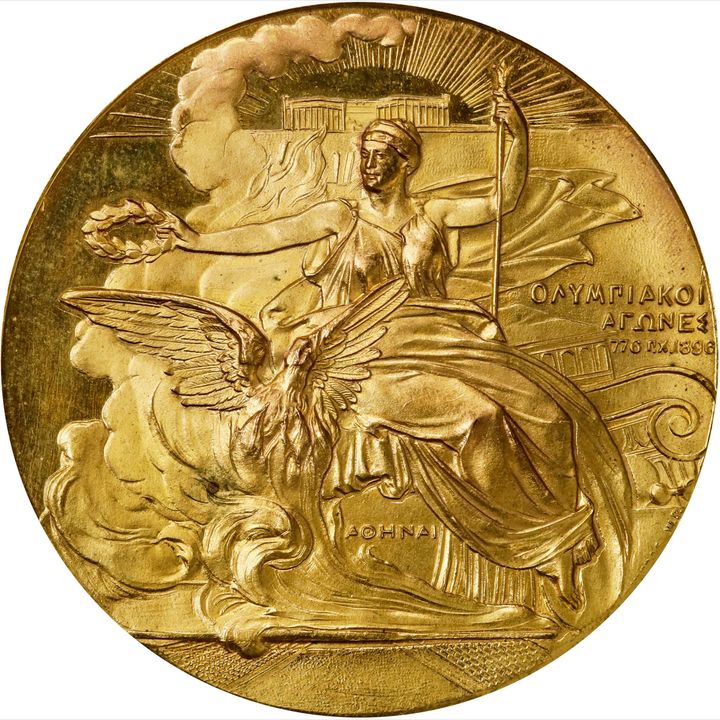
While the first known Olympics were in southern Greece in 776 BCE, the first modern Olympic Games were held in Athens in 1896. Athletes from 14 countries participated, with the largest delegations coming from Greece, Germany, France, and Great Britain. Hungarian swimmer Alfréd Hajós won the 100 meter and the 1200 meter events, while James Connolly of the United States won the triple jump, finished second in the high jump, and third in the long jump.
Cheating in the marathon
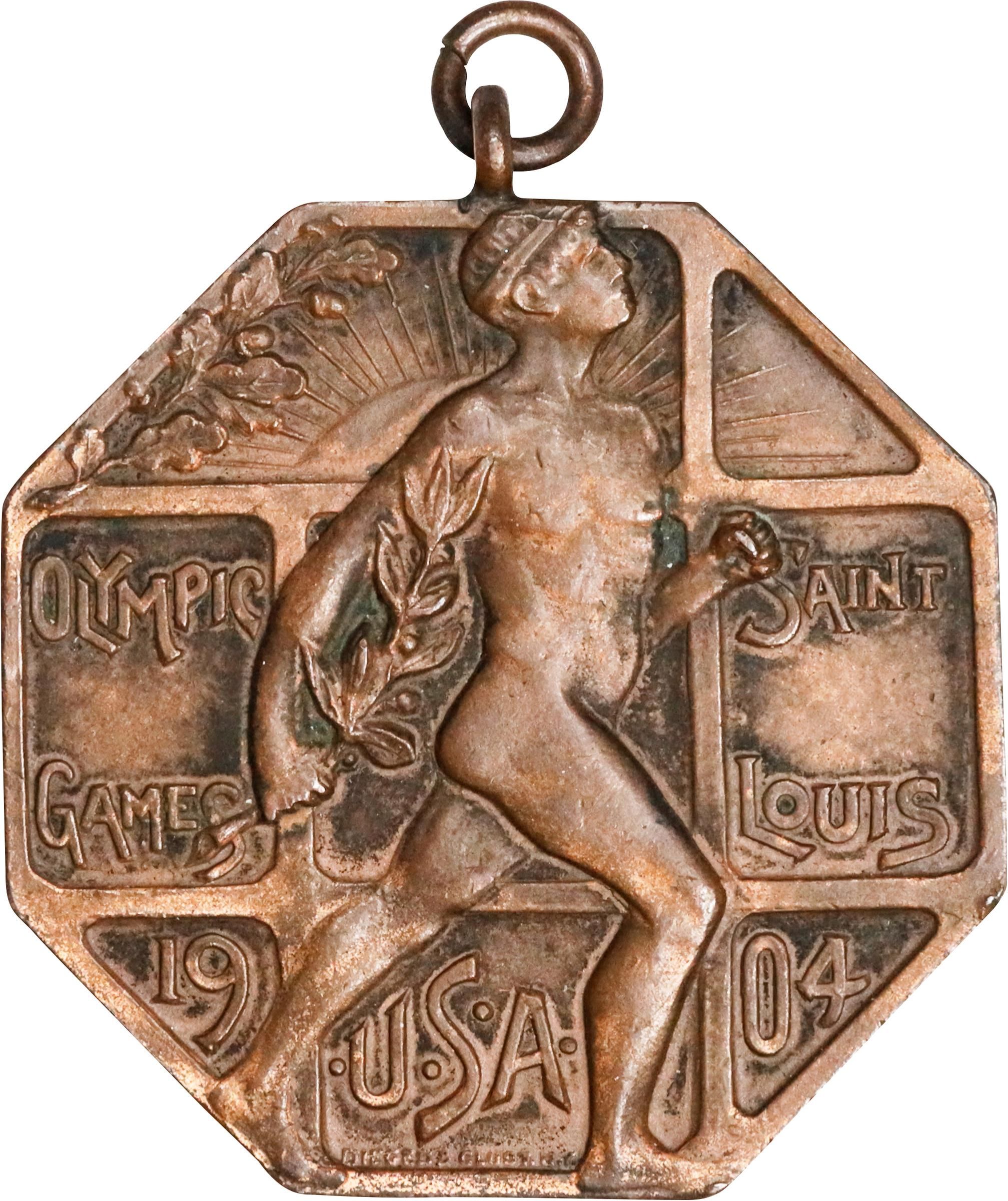
The 1904 Olympic Games were held over four months in St. Louis, Missouri. It was also the first games to award gold, silver, and bronze medals for first, second and third place. The 1904 Games also featured a truly modern cheating scandal. Runner Fred Lorz from the U.S. traveled by car for a large part of the 26.2 miles and was subsequently disqualified. American Thomas Hicks was awarded gold since he actually ran the entire race.
The first Winter Olympic Games
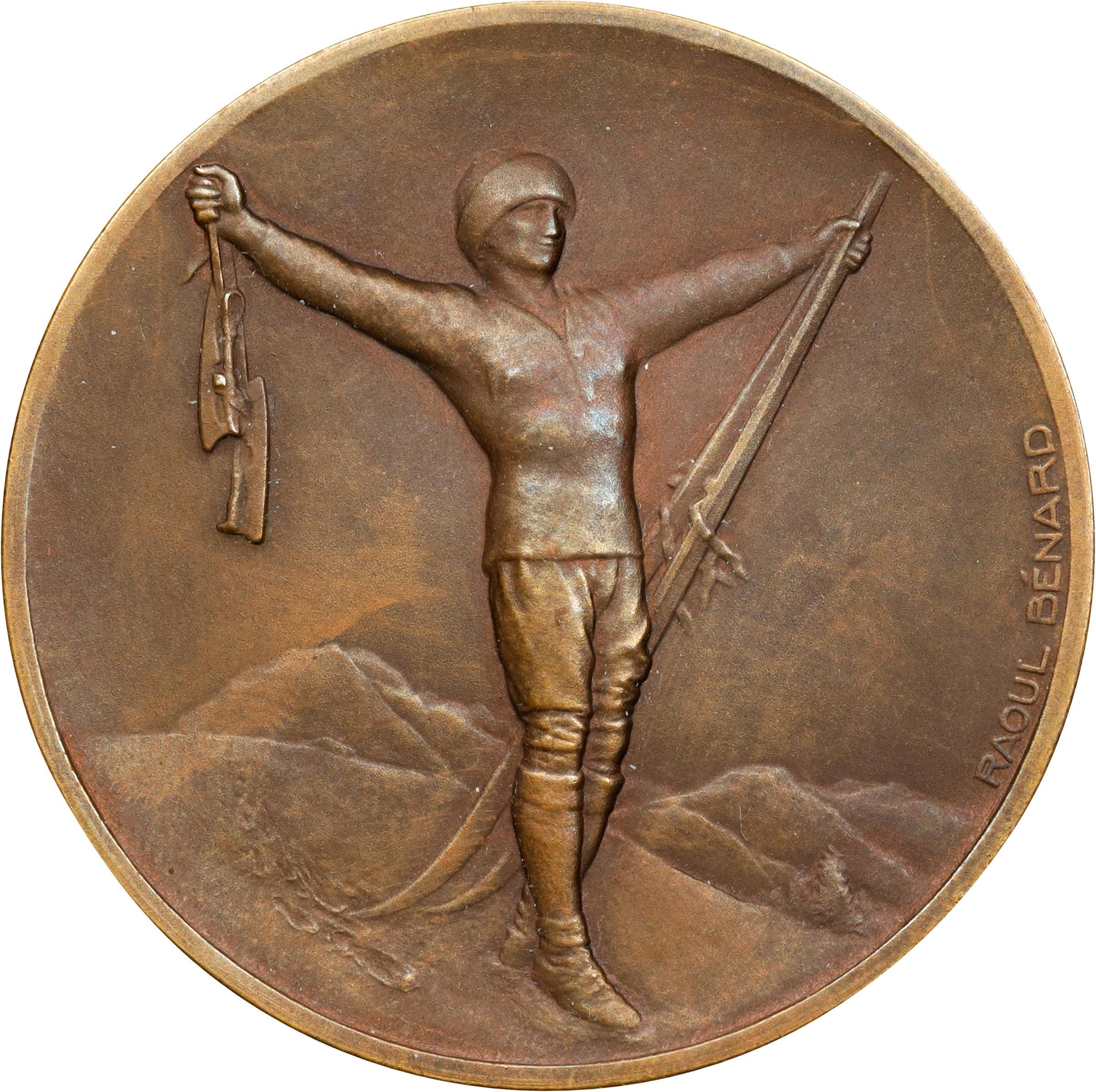
The first Olympic Winter Games were held in Chamonix, France, in 1924. It featured several of the sports we just saw during the Milano Cortina games including figure staking, ski jumping, and ice hockey. The Canadian hockey team scored 85 times without giving up a single goal in its first three matches. Canada eventually won gold, scoring 122 goals, with only three scored against them.
Chaos in speed skating
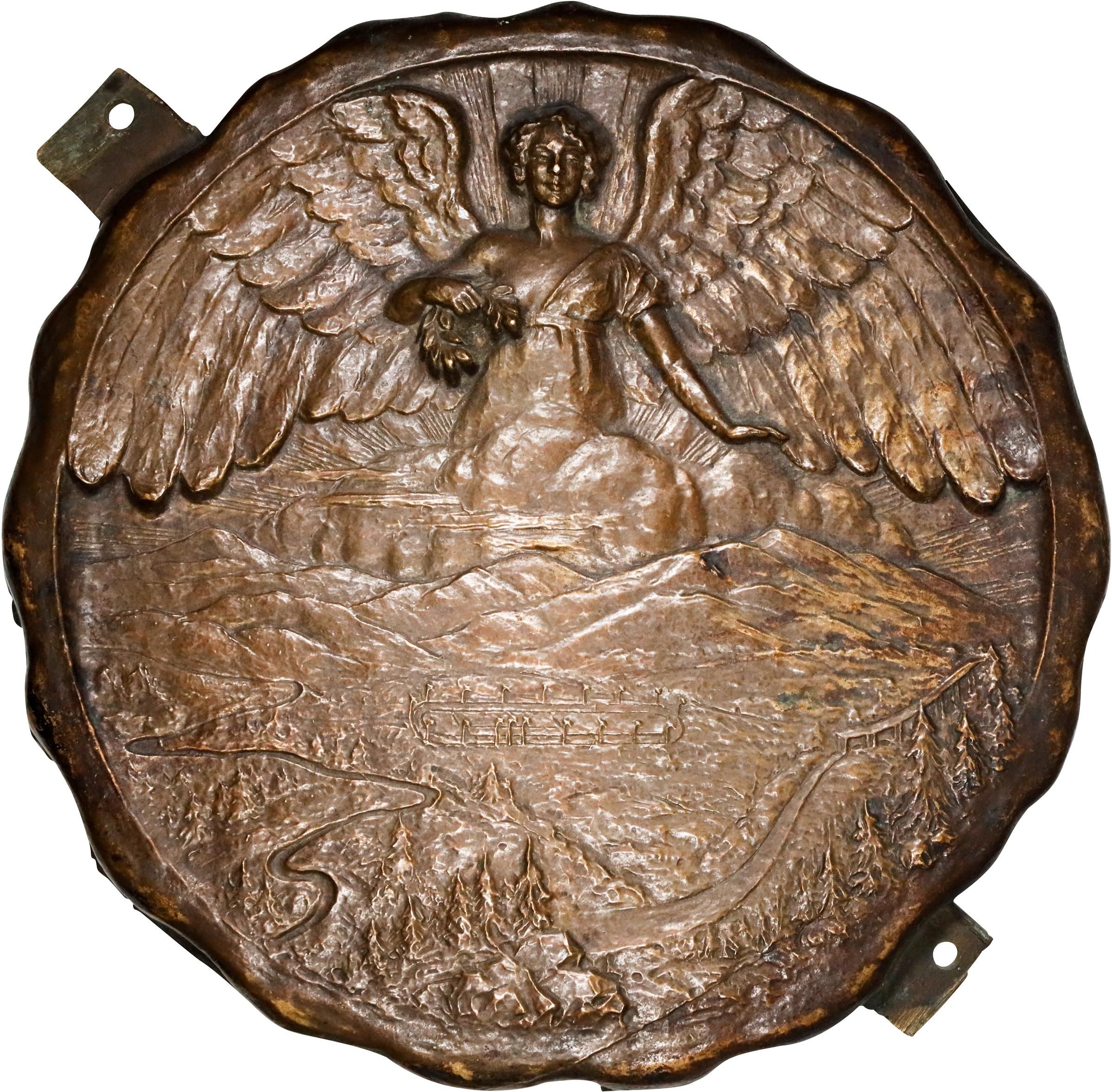
Lake Placid, New York, hosted the third Olympic Winter Games in February 1932. Women’s speed skating debuted at these games. It was also the first and only time that the American group race method was used in speed skating. This chaotic format involved a mass start, with athletes racing against all of the other competitors. In the European system, only two participants compete against each other and the clock.
The first podium
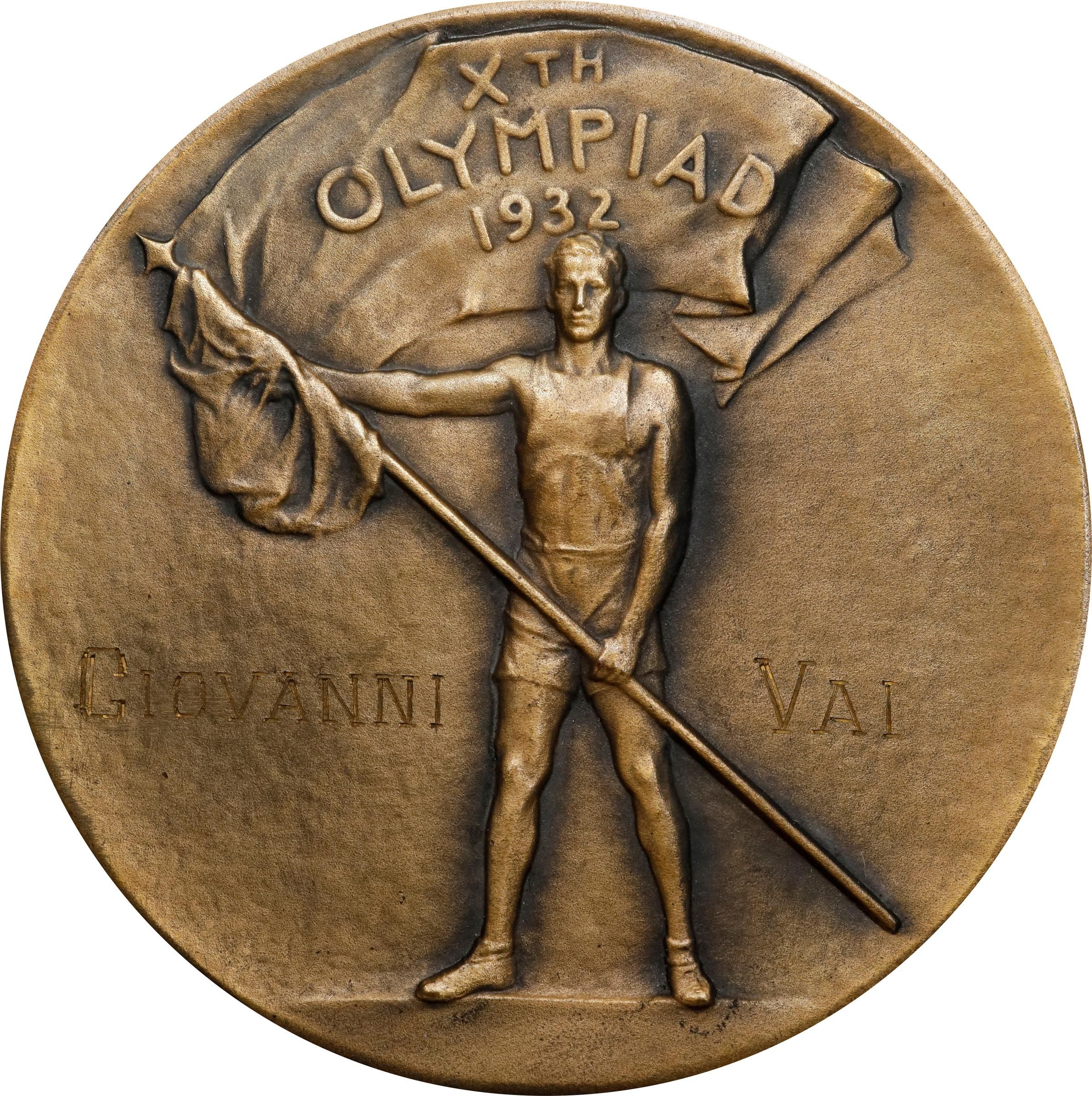
Unlike today, the Summer and Winter Games used to fall in the same year. The 1932 Summer Games were held in Los Angeles, which will be the host city for the third time in 2028. Trailblazing athlete Babe Didrikson Zaharias was a star of these games, throwing the javelin, running hurdles, and playing golf. This was the first Olympic games where the medal winners stood on a podium and the flag from the winning country was raised. It was also the first time the male athletes were housed in a single Olympic Village. The women stayed in a luxury hotel.
What’s old is new again
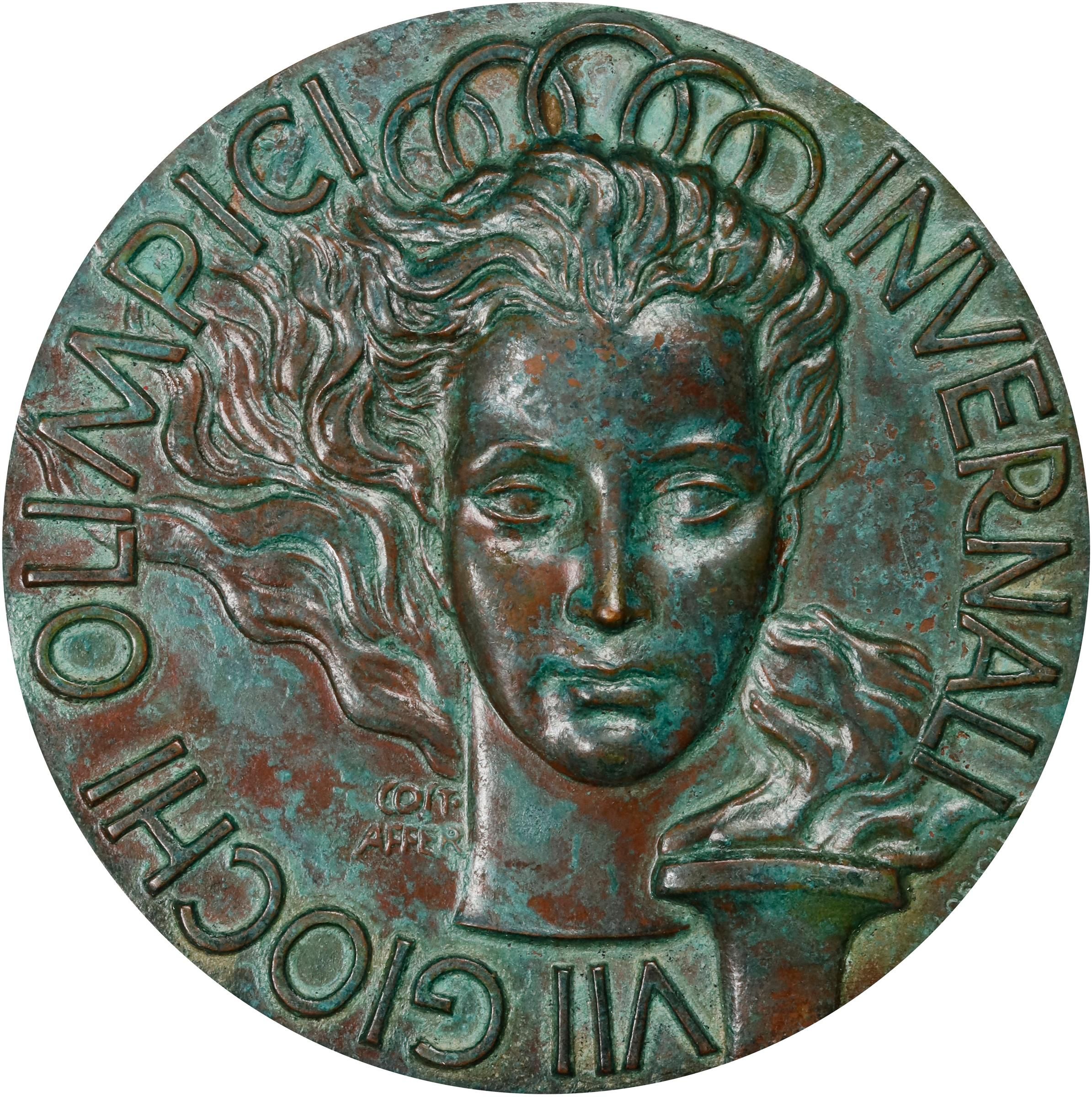
The picturesque Italian alpine village of Cortina hosted the Winter Games in 1956 and co-hosted the competition again 70 years later. The USSR team made its debut at these games—and dominated. They won more medals than any other nation, with their speed skaters winning three of the four events and their ice hockey team ended Canada’s domination.
Live bidding for these medals and more begins at 9:00 a.m PST on February 27.

2025 PopSci Best of What’s New


