Taps run dry as Tehran evacuation looms


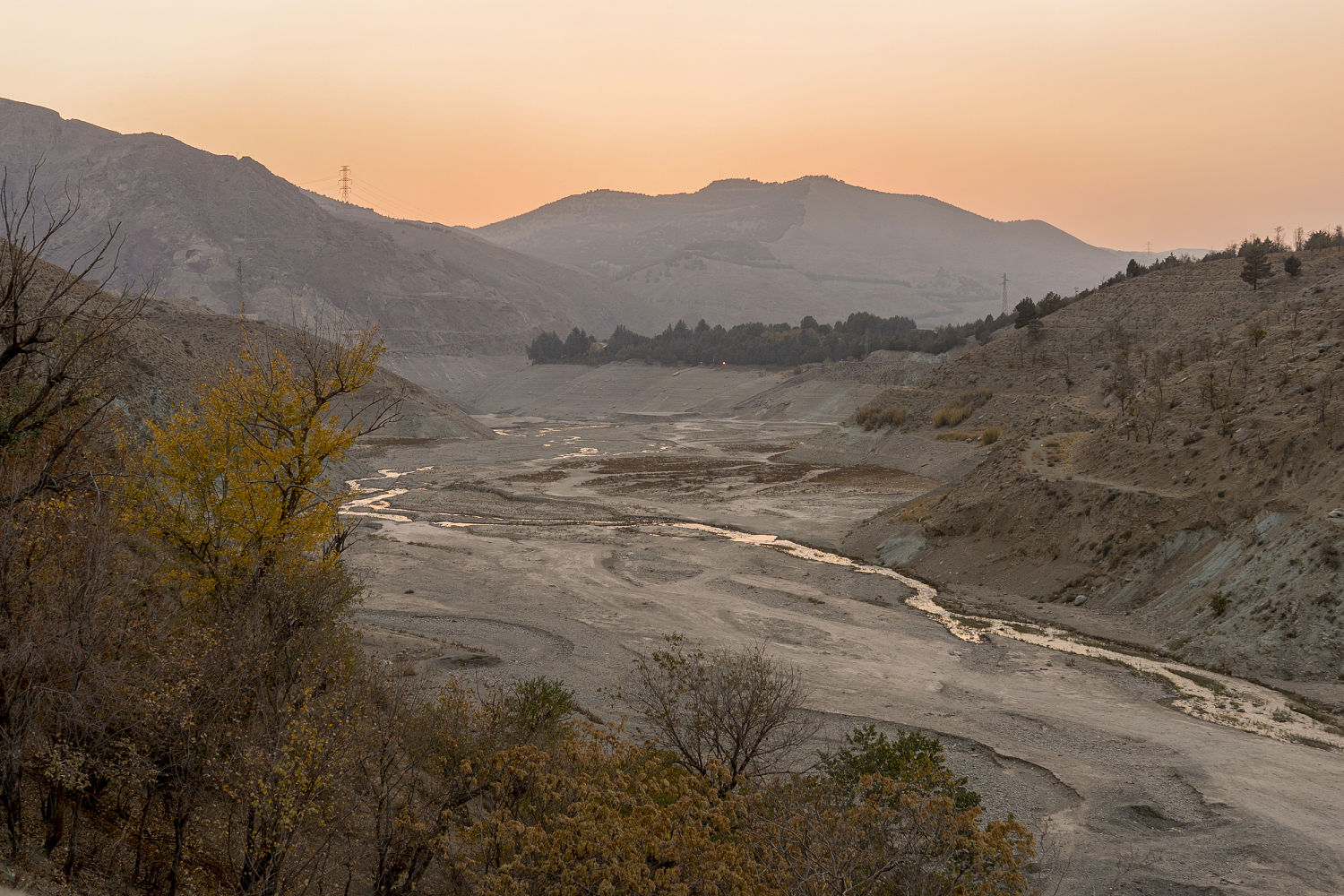
The Iranian government is partly concerned that a water crisis can spill over into political grievances and fuel unrest.
Videos posted on social media and verified by NBC News showed students protesting water shortages at Al-Zahra University in Tehran last weekend.
The problem has sometimes led to violence and arrests in the southwestern province of Khuzestan, home to a large Arab minority that has long complained of central government neglect.
This time, many Iranians blame the state.
“The authorities have known about this problem for years, but nothing has been done,” said Sadegh Razavi, a restaurant owner in Tehran. “In a country as rich in resources as ours, it is sad to not have electricity in summer and now also to suffer from a water crisis. »
Prolonged drought along with years of overconsumption, an inefficient agricultural sector and poor management — including decades of building mega-dams of dubious utility – led to the problem, analysts say.
“I don’t call it a crisis anymore. It’s a state of failure. That’s why for years I talked about water bankruptcy,” said Kaveh Madani, director of the United Nations University Institute for Water, Environment and Health.
“A crisis is a state that you can mitigate, you can return to normal at some point if you join forces. But the damage we are seeing on the ecosystem, on nature and even on many parts of the economy and infrastructure is irreversible.”
An “obvious” crisis
The current situation came as no surprise to North America-based researchers who have studied Iran’s water supply and pressures there.
“It was a no-brainer,” said Ali Nazemi, an associate professor at Concordia University in Montreal.
In a 2021 study published in the peer-reviewed journal Scientific Reports, Nazemi and other researchers warned that the Islamic Republic was overexploiting groundwater in nearly four-fifths of the landscape, leading to the subsidence of Iran’s land, an increase in soil salinity and the disappearance of its salt lakes.
The researchers, who dedicated their article “to the people of Iran”, warned that a crisis was brewing that could have “irreversible impacts on the land and environment, threatening the country’s water, food and socio-economic security”.
The researchers used publicly available data from the Iranian Ministry of Energy to assess groundwater depletion. “After this article was published, they removed the datasets from public access,” Nazemi said.


