Metal detectorist finds 19th century Japanese coin in Australia


A metal detector enthusiast discovered a centuries-old coin while scouring an abandoned sports field – and the coin is particularly rare in the area. In the South Australian province of Victoria, treasure hunting enthusiast Angus James recently spotted a well-preserved 100 Mon Tenpō Tsūhō coin, a 19th-century Japanese coin likely deposited during Australia’s decades-long gold rush.
“You never know what you’re going to find next,” James posted on social media on January 25, along with photos of his recent harvest.
Australia’s gold rush began in 1851 and quickly became a transformative event in its history. Although already home to many diverse indigenous groups, the United Kingdom oversaw the continent’s penal colonies for almost 100 years before the discovery of the precious metal. However, once news of the gold spread, people around the world rushed to stake their own fortunes. By 1871, Australia’s total population had increased from around 430,000 to more than 1.7 million.
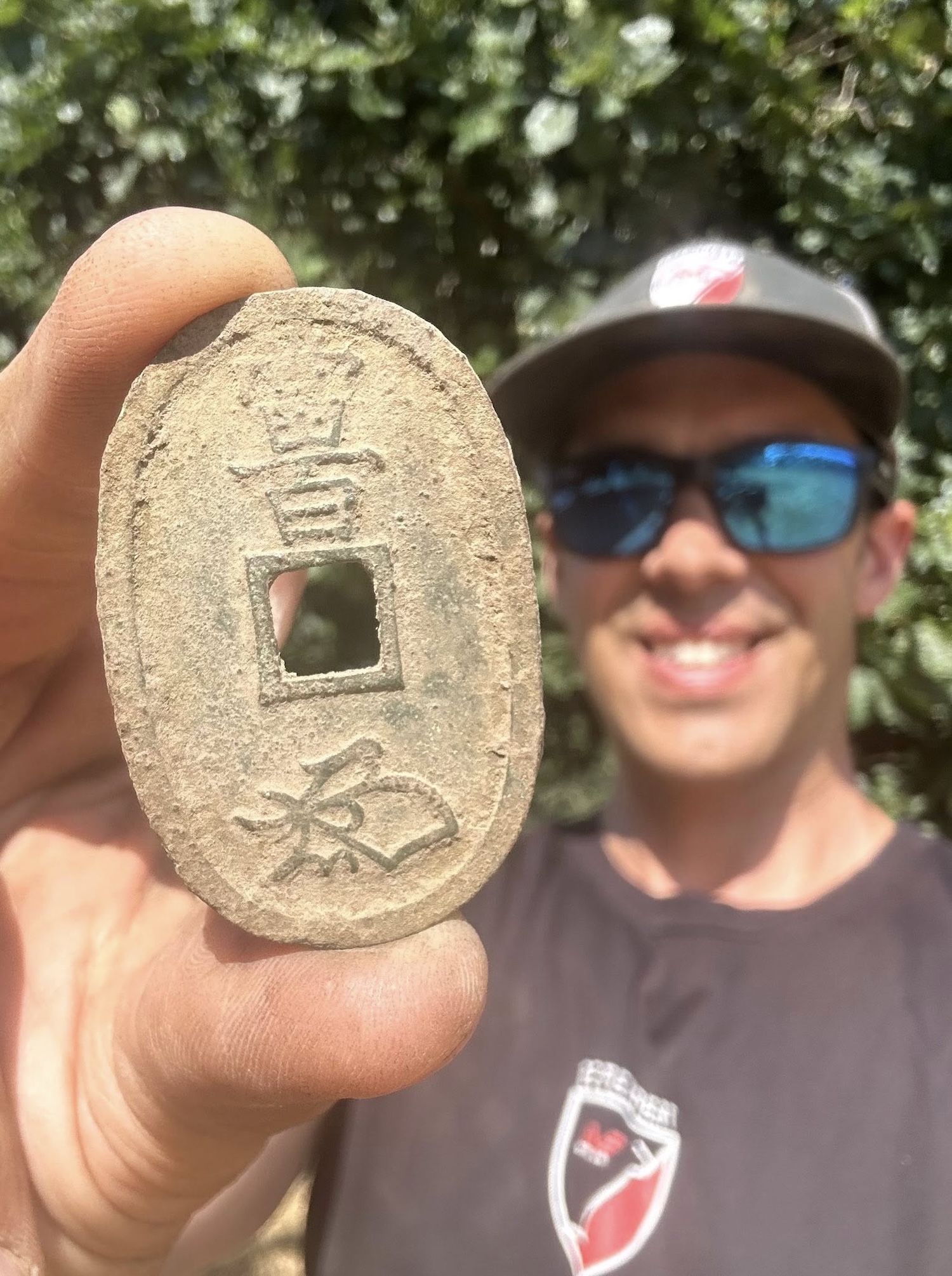
The majority of new arrivals were Europeans, but the gold rush also attracted hopefuls from elsewhere, including countries like Japan. In the mid-19th century, Japanese trade frequently relied on low-value Tenpō Tsūhō coins. These were first minted by the Tokugawa government in 1835 and remained in circulation for 40 years until the introduction of the yen under the Meiji Restoration. Many numismatists today seek out Tenpō Tsūhō coins, and in Japan they are sold as good luck charms.
James’ discovery features Chinese characters, but that’s no coincidence. At that time, Japanese monetary design was largely influenced by the various coins of the neighboring country. In this case, “Tenpō” refers to the era of government, while “Tsūhō” roughly translates to “circulating treasure” or “currency”.
It’s yet another reminder to keep those metal detectors handy.

The best new PopSci 2025 releases