Year in review: The standout health stories of 2025, from measles outbreaks to AI-made viruses


Revolutionary medical treatments; mysteries of fundamental biology; the impacts of upheavals in health policy. Live Science covered all of these topics and more in 2025 – and you can find some of our best Health channel longreads of the year below. The following list includes interviews, book excerpts, and news analysis, as well as entries from our Science Spotlight series, which highlights how science is transforming the world as we know it.
1. The secrets of the oldest woman in the world
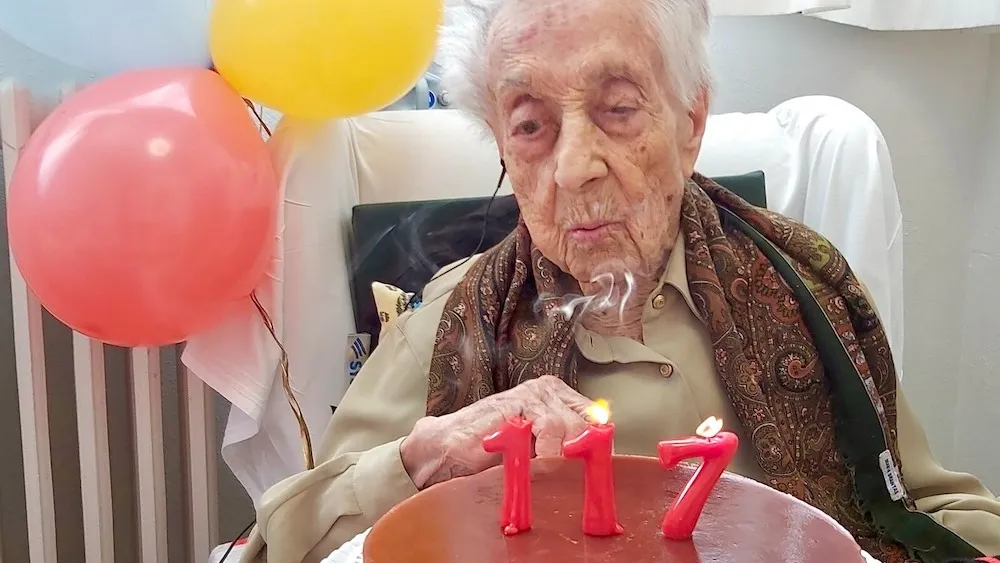
Maria Branyas Morera, once the world’s oldest woman, died in 2024 at age 117. Live Science took an in-depth look at a study that examined the biology of Branyas and discovered key traits that could have protected her from disease in old age. Could the lessons from the study help other people live longer, healthier lives?
2. What makes us human?
Many consider the brain to be a central part of what makes us human – but how did this remarkable organ come to be? In an interview, the science communicator Jim Al-Khalili discussed what he learned filming new BBC show Horizon: Secrets of the Brain“, which tells the story of the evolution of the human brain. And in a book extract And interview with Live Scienceneuroscientist Nikolai Kukushkin described the evolutionary forces that he believed were essential to the formation of the human brain and consciousness as we know it.
3. Could brains grown in the laboratory become conscious?
Miniature models of the human brain can be grown from stem cells in the laboratory, and they are becoming more and more advanced. Some scientists have expressed concern that these “mini-brains” could become conscious and feel pain. We investigated the experts’ concerns and hopes for future regulation of research.
4. The promise of mRNA medicine
mRNA is perhaps best known for forming the basis of the first COVID-19 vaccines, but it could also be used in breakthrough cancer therapies, immune reprogramming treatments and gene therapies. The promise of these emerging mRNA medicines is staggering, but due to the politicization of COVID-19 vaccines in the United States, mRNA research and development – even unrelated to vaccines – is now suspended in precarious uncertainty. A Spotlight on Science feature describes emerging mRNA technologies and their shaky status under the second Trump administration.
5. Cancer in young people

You may have heard that more and more young people are being diagnosed with cancer. But what types of cancer are driving this trend? And why are rates increasing in the first place? We looked at what could be causing this patternfrom underlying cancer triggers to the best early detection techniques.
6. Male and female brains
Is there really a difference between male and female brains? And do we really have the data needed to answer this question? A Spotlight on Science explored existing research on gender differences in the brainfinding the results darker than one might expect. Headlines often proclaim that men’s and women’s brains are “wired differently,” and this can be true in subtle ways. But the biological consequences of these differences remain unclear, even for experts in the field.
7. AI designs viruses
Artificial intelligence can now be used to design entirely new viruses. Scientists hope to use these viruses for beneficial purposes, such as to treat drug-resistant bacterial infections. But could this technology pave the way for the next generation of biological weapons? A an analysis explored this dual-use problem and what can we do to safeguard our biosecurity.
8. When pandemics are a “certainty,” how can we prepare?
In a book extract, the epidemiologist Dr. Seth Berkley explained how he and other health leaders orchestrated a mass vaccine rollout in poor countries during the COVID-19 pandemicso that the clichés are not exclusively reserved for rich countries. Live Science also spoke with Berkley on lessons learned from the pandemic and the ongoing fight for vaccine equity.
9. USAID Cuts
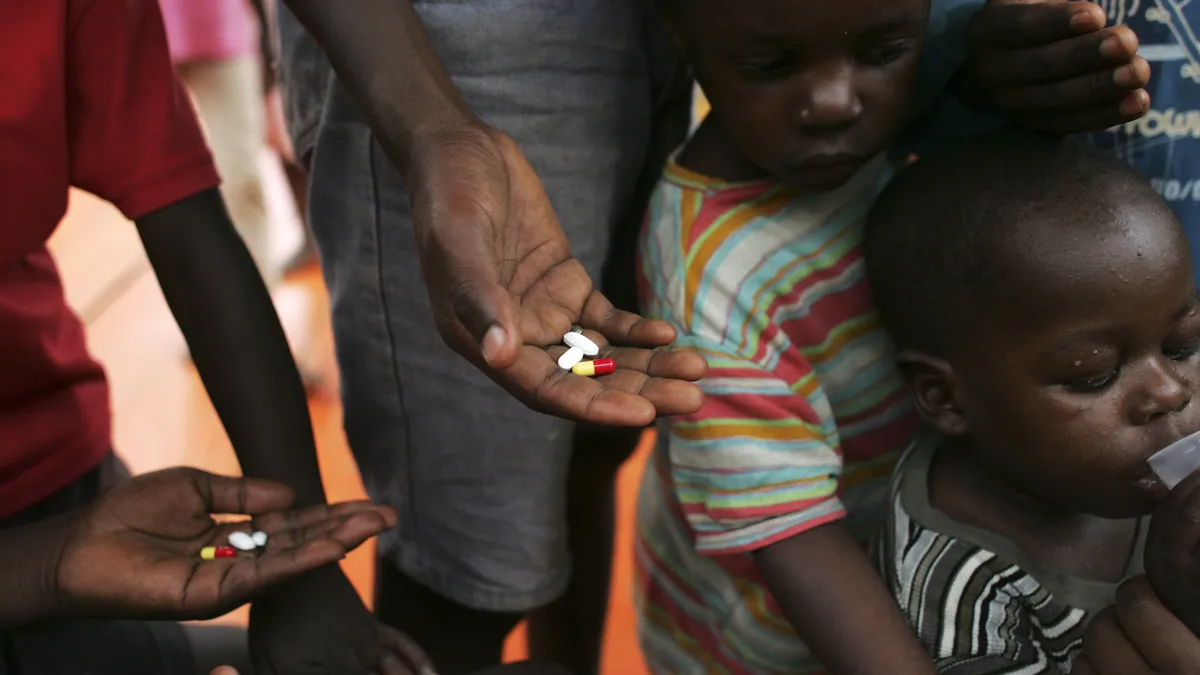
The United States Agency for International Development (USAID), once the world’s largest foreign aid agency, was hit by massive funding cuts during the second Trump administration. Some of its functions would reportedly continue under the control of the State Department. We looked at the predicted and devastating effects that the loss of USAID will likely impact HIV care worldwide. And in a interview with author John Greenwho published a book on tuberculosis (TB) this yearwe explored what these reductions might mean for TB patients.
10. Microplastics on the brain
A study has gone viral after suggesting that the healthy human brain might contain a similar amount of plastic to that of the average plastic spoon. But should we really be worried? Our analysis broke down what we know and what we don’t know on microplastics in the brain.
11. Avoid Early Alzheimer’s Disease
A man genetically guaranteed to develop Alzheimer’s disease at an early stage is still disease-free at age 70. We explored the details of this man’s casedelving deeper into its genetic profile and the broader lessons it could teach scientists about dementia.
12. Mental health after bariatric surgery
Weight loss surgeries are often accompanied by improvements in mental health, but research has found that this effect has less to do with the weight loss itself and more to do with the relief of the stigma people often feel after the procedure. We examined this finding and what this can tell us about the profound impact of weight stigma on people’s health and well-being.
13. Measles is making a comeback

In 2000, the United States reached a major public health milestone by eliminating measles. But today, we are seeing a sustained resurgence of this highly contagious disease, putting the country on the verge of losing this precious elimination status. This story explained how we got here and what are the challenges. And in an opinion piece, several experts denounced the anti-vaccine movement that has driven down measles vaccination rates – a movement that Health Secretary Robert F. Kennedy Jr. has been at the helm for years.
14. Is America Losing the War on Cancer?
In a book extract, Nafis Hassan argued that the United States has used poor strategies to combat cancer for decades. While focusing on finding treatments for people with cancer, America has largely ignored population-level strategies that could help reduce cancer rates and cancer deaths at all levels, he argued.
15. Threats to fetal tissue research
The US federal government is threatening to restrict research on human fetal tissue. In an opinion article, cell biologist, geneticist and neuroscientist Laurent Goldstein dissipated Common myths and misinformation about this type of research.
16. “The Big One,” a disaster to overshadow COVID-19
Epidemiologist Michael Osterholm predicts the next pandemic could be even worse than COVID-19. In a book extract And interview with Live ScienceOsterholm described the lessons we should have learned from the coronavirus pandemic and how recent changes in U.S. policy may have destroyed our ability to manage serious outbreaks.
17. Climate change could increase hyponatremia
As the planet warms, a dangerous situation called hyponatremia could be on the rise. This disease causes a dramatic drop in sodium in the body, which can potentially cause seizures, coma and death. A The Live Science exclusive takes a look at the emerging trend.
18. Baby-creating robots?
A viral story suggested that Chinese researchers were working on a “pregnancy robot” capable of carrying a human baby from conception to birth. It turns out the story was pure fiction – but, in theory, could such technology be achieved? Experts weigh in on this science fiction-sounding idea and discussed the possibility, ultimately, of building a real pregnancy robot.


