You don’t have to be tech savvy to protect your laptop. Just follow these 7 tips


Functionality
These common-sense techniques for protecting laptops work.

Image: Pexels: Monoar Rahman
Owning a laptop is a big responsibility, especially if you own a high-end model. Many things can go wrong, from breakage to malware. But with a little common sense rather than specialist knowledge, these things don’t have to happen to your laptop. Here’s what you need to know to keep your laptop safe and sound.
Think about physical security first
Your laptop should be a valuable asset that needs to be taken care of. But what exactly does this mean? This means doing everything possible to prevent damage and/or theft. First of all, you will need a laptop sleeve that is drop-resistant and waterproof to prevent physical damage. The Voova laptop sleeve, for example, comes in different sizes and colors and costs less than $20.
You should also always use a laptop lock if you use your laptop on the go. This is not guaranteed protection, but it can be a great deterrent to thieves. Well-reviewed locks can also be found for less than $20.
Eating and drinking near your laptop is a risky activity, especially drinking. It only takes one spill to destroy a keyboard and trackpad, so it’s best to exercise caution and keep liquids clear.
Clean it
Even the shiniest and newest laptops get dirty and grimy after a while. Cleaning your laptop not only makes it look fresh and new; it can also help maintain performance by keeping dust away. For best results, use rubbing alcohol and a microfiber cloth. Keyboard putty is a great solution for removing dust and grime from keys and vents.
Always use a secure connection method
You should always use a secure PIN or biometric login through Microsoft Windows Hello. This means that if your laptop is stolen or an unauthorized person tries to start it, access will be denied. You should also have a record of your PIN if you choose this option, so you don’t forget it and get blocked.

Pexels: Markus Spiske
Antivirus software is essential
Thousands of malware variants are circulating at any given time. But with reputable antivirus software, you can keep your laptop and its programs intact. A malware-free laptop means your files and identity are safe too.
For continued protection, run security scans on your computer regularly. Be sure to update your software regularly to ensure the scanner has the latest virus definitions.
PCWorld reviews antivirus software, so be sure to check out our list of recommended products.
Use a VPN
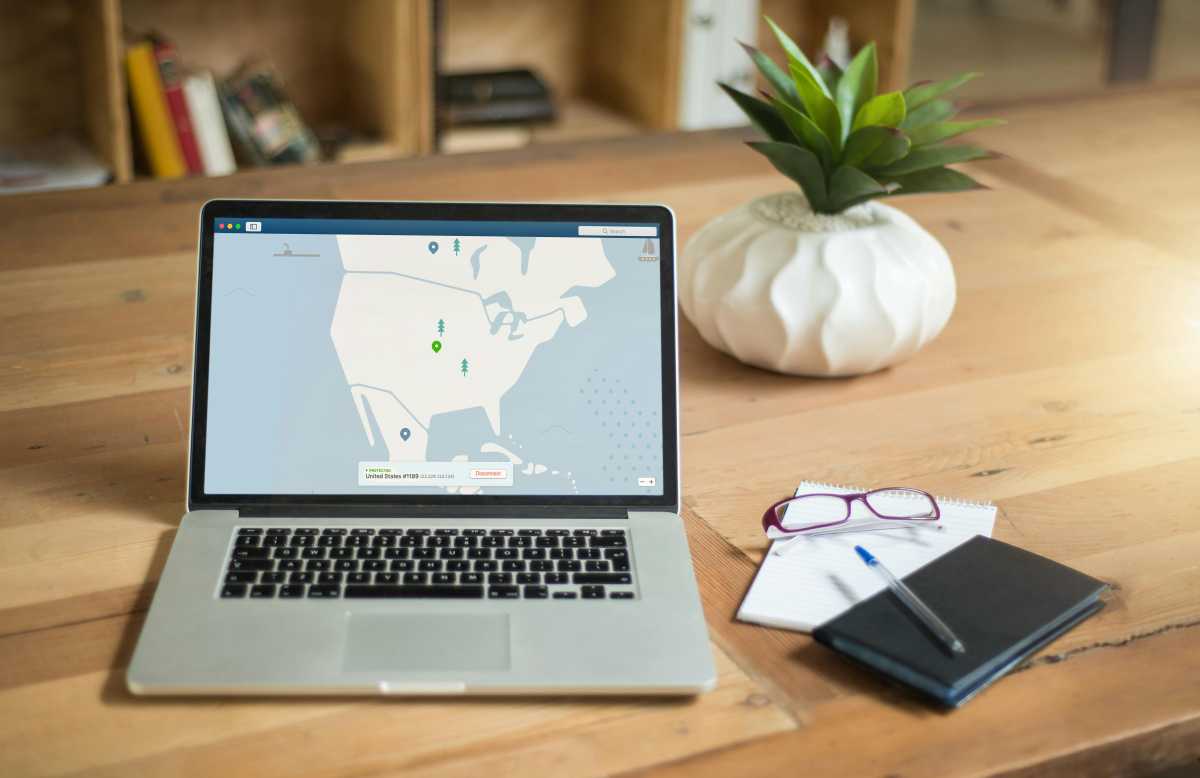
To prevent your sensitive data from being intercepted online, you should always use a virtual private network, or VPN. A VPN encrypts your personal data, making it unreadable for hackers. It also hides your IP address to protect your location and identity.
If you’re looking for a VPN, PCWorld has some reviewed product recommendations.
Pexels: Kevin Paster
Use common sense online
What you do online can have a big impact on the security of your laptop. Avoid visiting risky websites and only visit verified links. This also applies to downloading files. If possible, you want to make sure you scan any files you download for malware.
If your antivirus software has a built-in safe search option, use it as an extra layer of protection. Also be wary of phishing scams in your emails, watch out for spelling mistakes and grammatical errors that indicate scammers are behind the emails.
Run updates
One of the best ways to protect your laptop is to allow Windows updates, as security issues are often fixed in updates. You’ll also want to run firmware updates whenever possible to ensure your laptop has the most up-to-date files to operate efficiently.
Related content


