13 best gifts for book lovers – Chicago Tribune


Gifts Every Book Lover Will Appreciate
Shopping for a book lover? If you’ve already gifted many books over the years, you may be looking for options that don’t just contribute to their ever-growing library.
For bibliophiles, reading is an immersive experience, so gifts that help set the stage for peaceful reading sessions, like candles or a bottle of wine, are a great idea. You can also choose practical options, like bookmarks and bookends, that can be used every day. If you don’t know the recipients’ tastes, a gift card for e-books and audiobooks is ideal.
How to Choose Gifts for Book Lovers
There are many gift options for bibliophiles worth exploring, and it’s easy to feel overwhelmed by the choices. However, you may find it easy to narrow down the options if you know whether the recipient prefers e-books or physical books.
Gifts for Kindle Readers
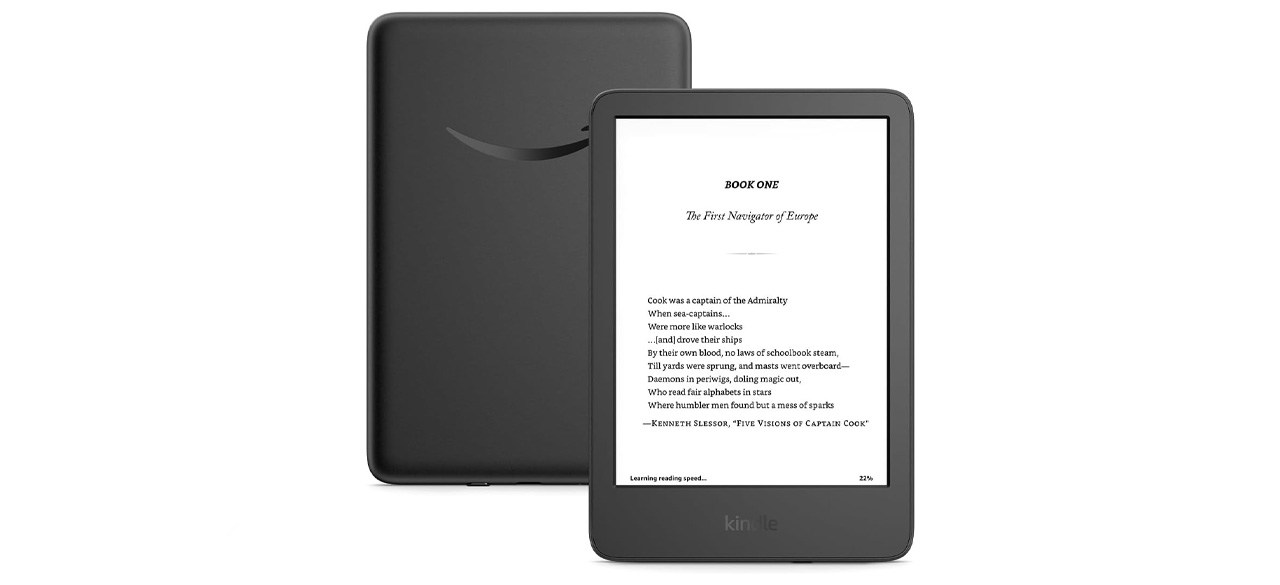
If you’re shopping for an Amazon Kindle user, consider giving them an Amazon gift card that lets them choose a book themselves. Amazon gift cards are available in physical form or can be delivered digitally via email or text message.
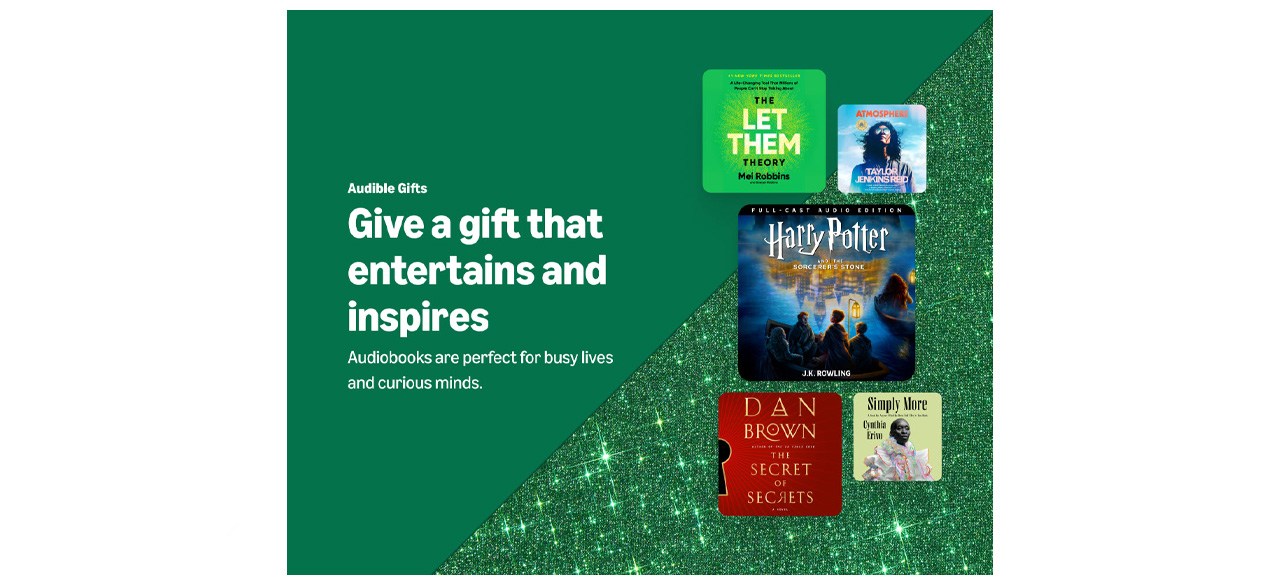
Kindles also provide access to audiobooks through Audible, which requires a subscription to access its extensive listening catalog of audiobooks, podcasts, and Audible Originals. Audible gift memberships, which are delivered electronically, start at $15 and go up to $150.
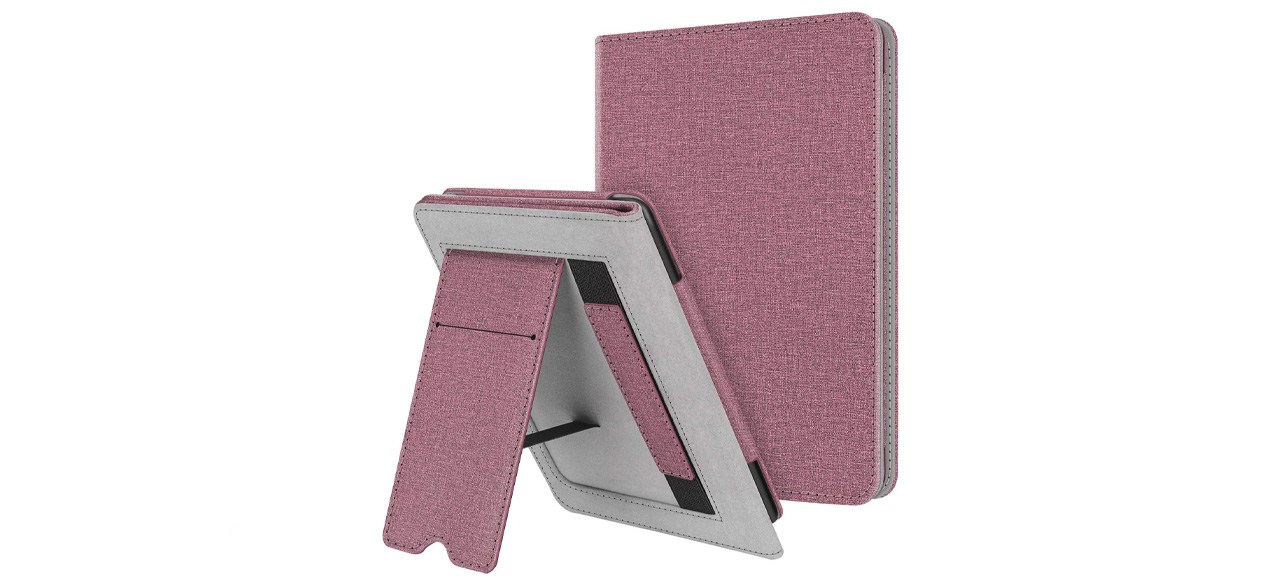
If you don’t want to give a book lover a gift card, consider accessories to enhance their reading experience. A Flippy Soft Lap Stand allows for hands-free reading and has built-in storage options. It is made with a non-slip suede cover to prevent Kindles from sliding around. The flexible, lightweight stand has three viewing angles for e-readers and tablets to make reading easier. Alternatively, Kindle protective covers make practical and affordable gifts. The popular Finite Stand case for Kindle Paperwhite is made from premium synthetic leather and features a built-in kickstand. The wallet style case is available in over 20 colors and designs.
Gifts for Readers Who Love Physical Books
Some readers still have a weakness for physical books, and it’s no surprise that many have large personal libraries. For these readers, look for gifts that complement their shelves.
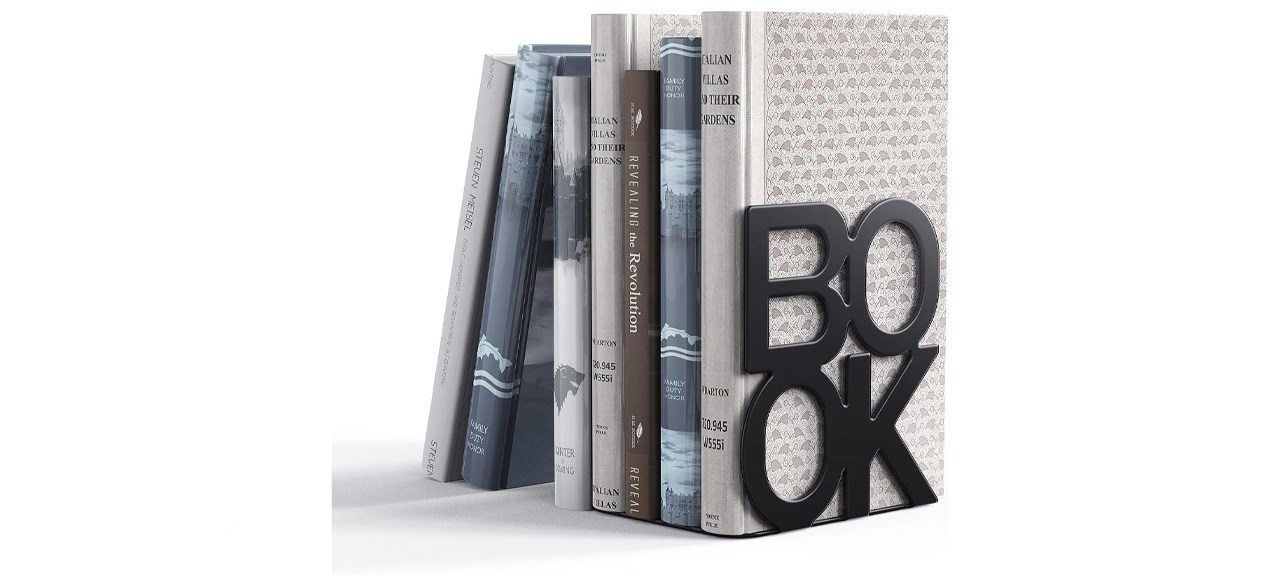
Bookends never seem to go to waste in a book lover’s home and they can be used on virtually any bookshelf or desk. Shikaman metal bookends, which spell out “book” in block letters, have a non-slip bottom to stabilize sprawling rows of heavier books. They are available in four colors to suit a variety of color combinations.
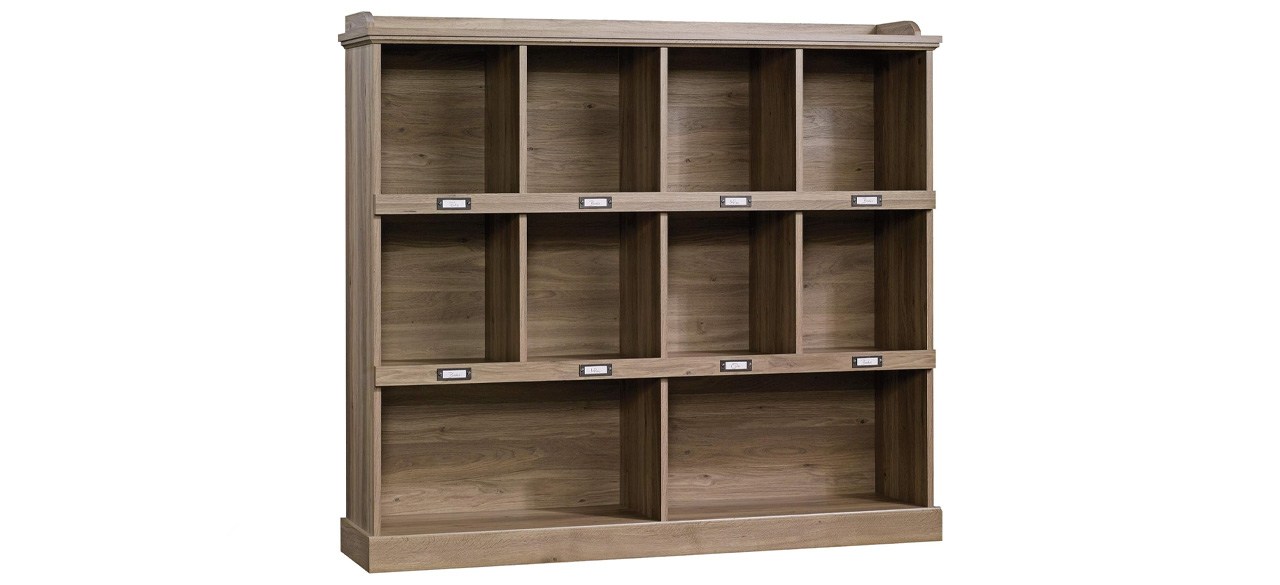
If you’re looking for a larger gift or your bibliophile has just moved, a bookcase is a great option. The Sauder Barrister Lane Library is inspired by the card catalogs of yesteryear. It is sustainably made from engineered wood and recycled materials and is available in five finishes.
More Best Gifts for Book Lovers
A list of the best reads
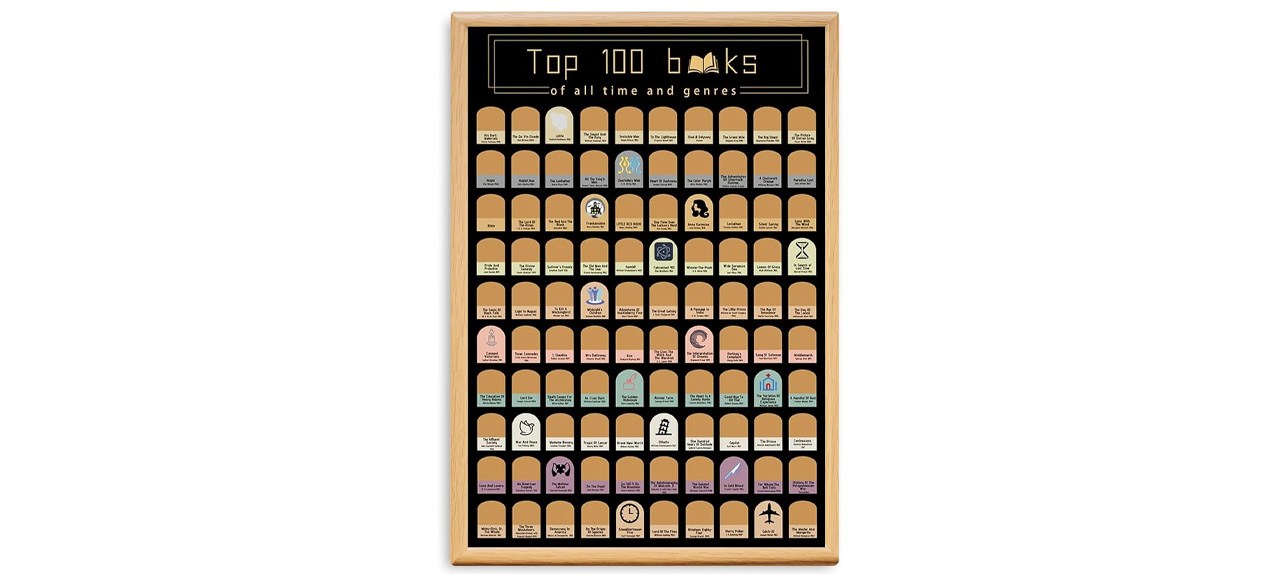
EIHFHIE Top 100 Scratch Books Poster
This colorful scratch-off poster features the 100 best reads of all time, including titles such as ‘The Great Gatsby’ and ‘War and Peace’. Once readers complete each book on the poster, they can scratch off the gold foil to reveal a unique icon or badge.
A set of magnetic bookmarks
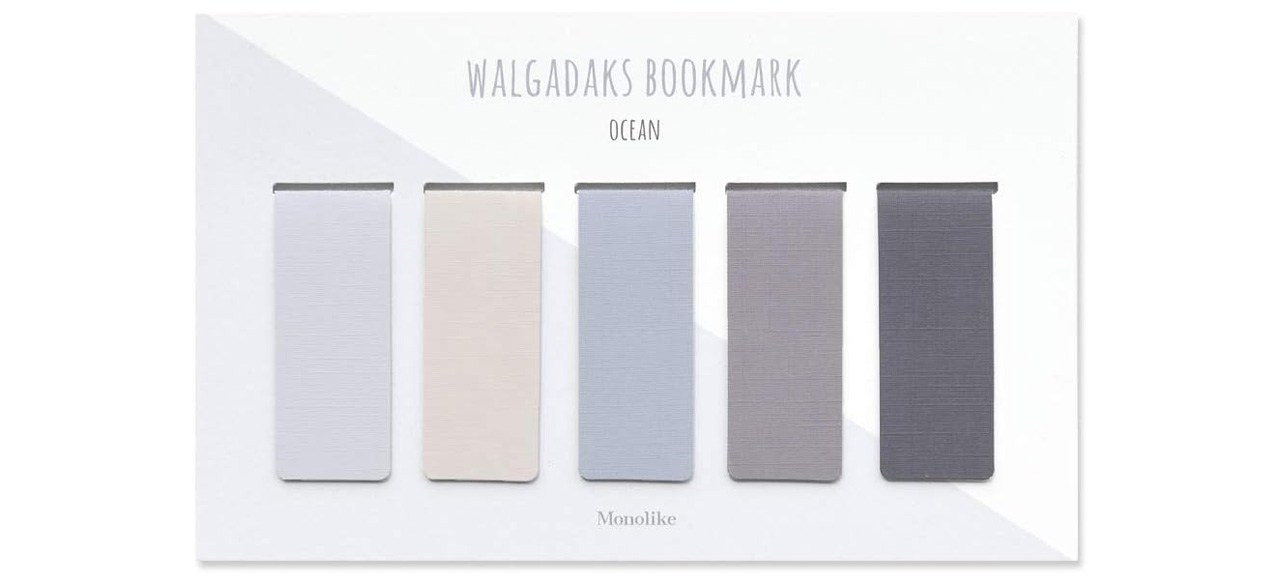
Monolike Magnetic Bookmarks
Rather than using index cards or old receipts, readers can hold their place with magnetic bookmarks. The slim design of this five-piece collection won’t break book spines or damage pages.
A collection of literary tea
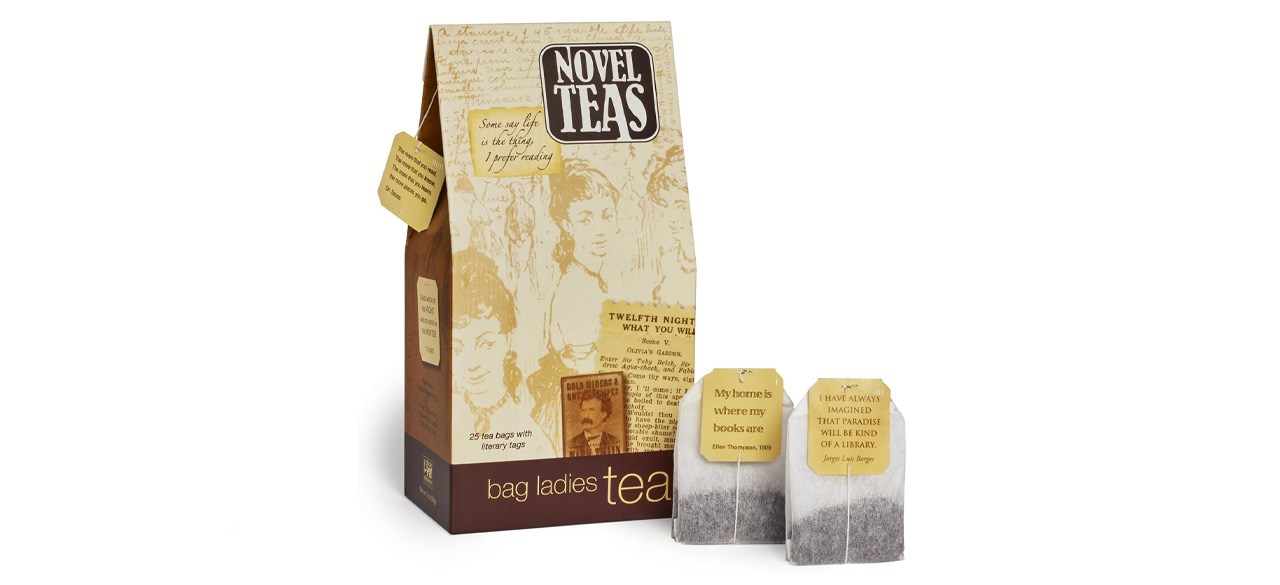
Rejections from Novel Teas studios
This original English breakfast gift set landed 14th place on Oprah’s 2019 holiday list. It comes with 25 individually labeled tea bags featuring literary quotes from authors and their literary works.
A reading journal
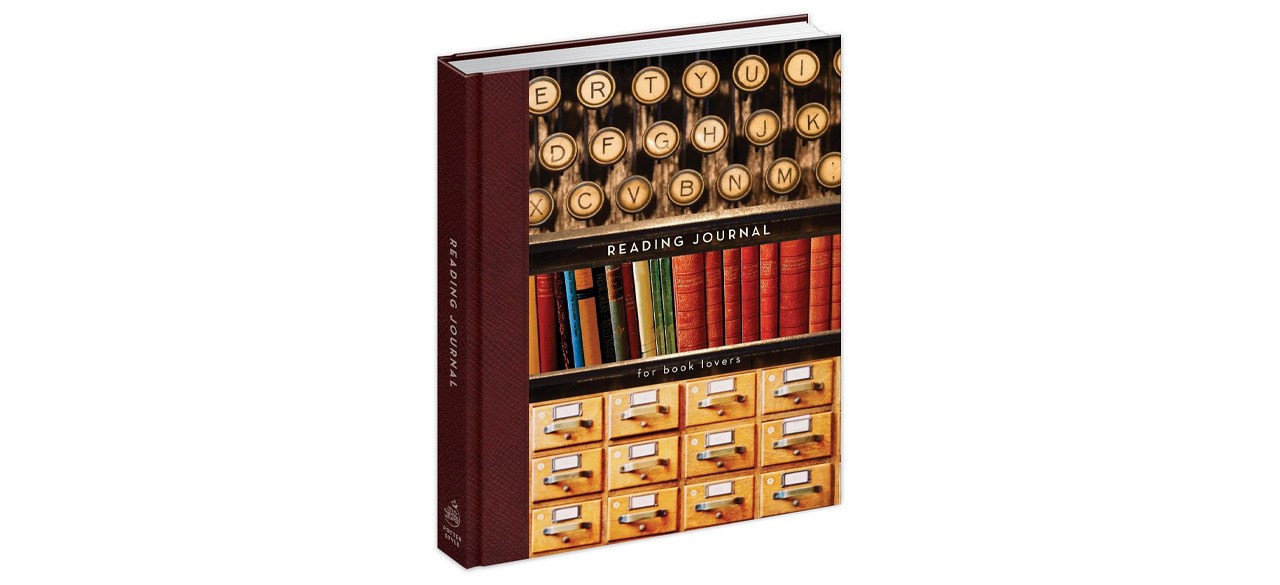
“Reading Journal: For Book Lovers” by Potter Gift
Although Goodreads is a convenient way to track the books you’ve read, many readers like to save titles the old-fashioned way. This hardbound reading journal has 160 pages with plenty of writing space to share thoughts about each book: good, bad, or otherwise.
A refreshing jar candle
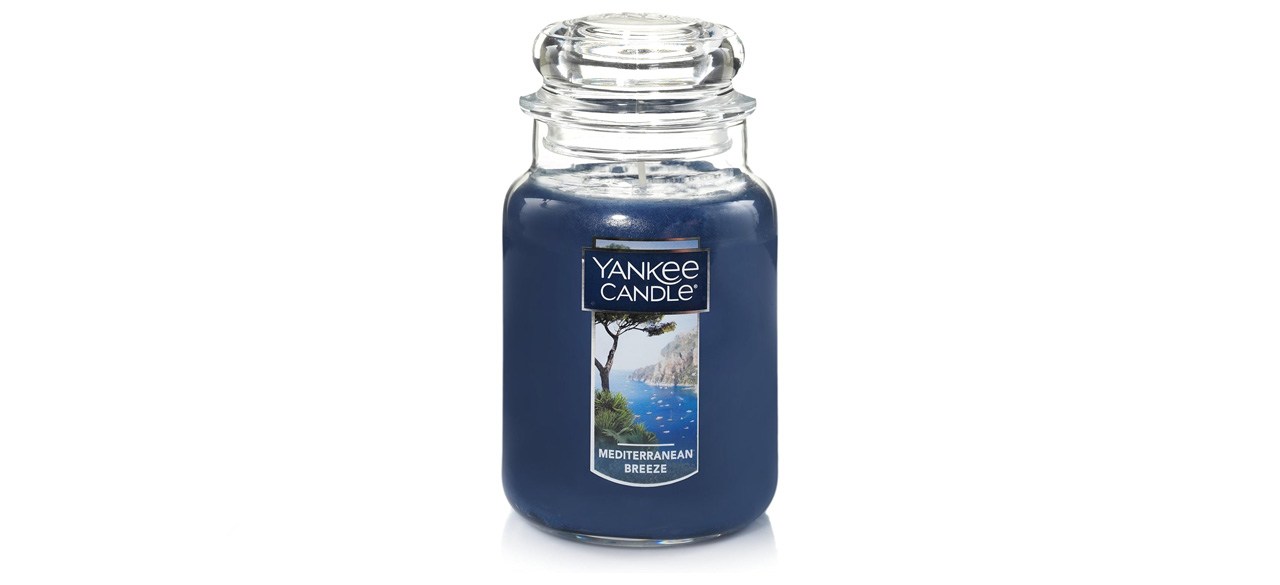
Yankee Candle Large Mediterranean Breeze Jar Candle
If a book lover you know can’t enjoy as much beachside reading as they’d like, this Yankee Candle is the best option. Mediterranean Breeze features a warm seaside scent profile with notes of sweet citrus flowers and amber. It burns between 110 and 115 hours.
A personal library kit
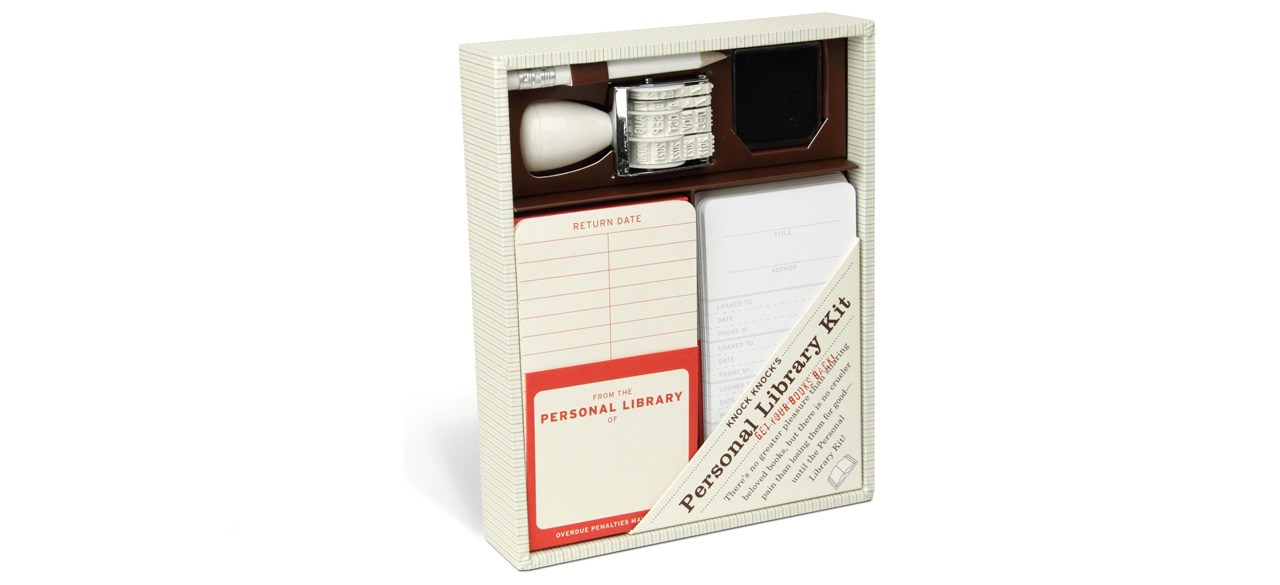
Knock Knock Original Personal Library Kit
This DIY library kit includes classic circulation accessories, including a date stamp, payment cards, and sticker sleeves for 20 books. It’s a popular choice for bibliophiles of all ages.
A wine subscription
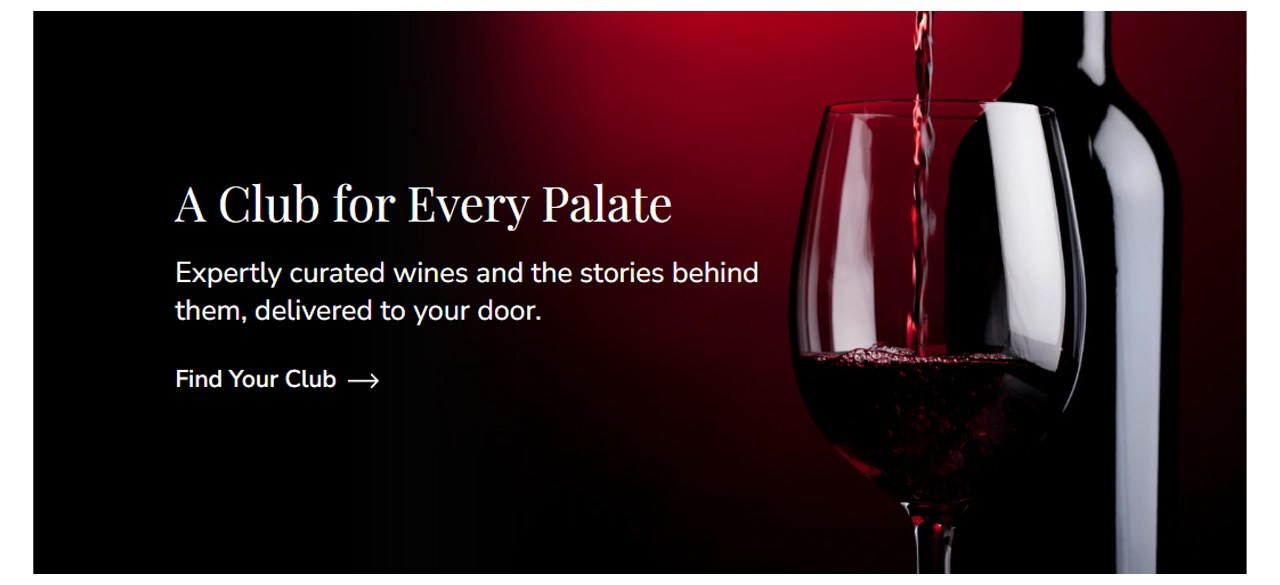
WineAccess subscription
It’s easy to immerse yourself in a good book with a good glass of wine. WineAccess Club is a wine subscription service that carefully curates shipments to appeal to a wine lover’s distinctive palate.
A book on card catalogs
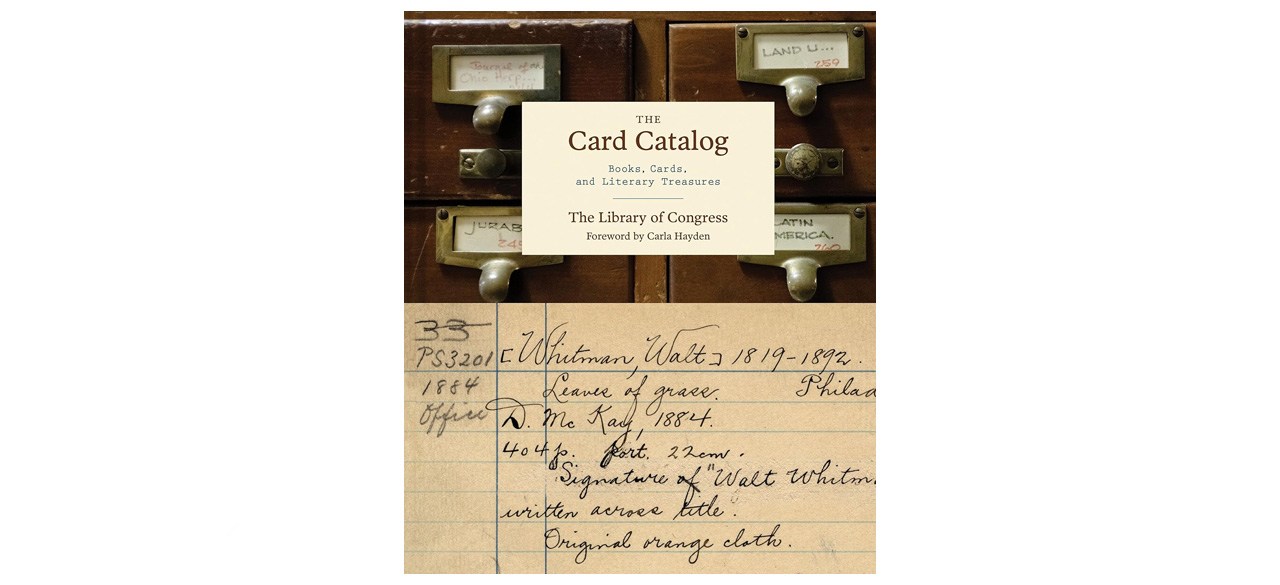
“The Map Catalog” of the Library of Congress
Even if you are hesitant to give books as a gift, this title belongs in every bibliophile’s collection. Written by the Library of Congress, it details the history and origins of the card catalog. The book, available in hardcover, includes more than 200 color images from archives.
Prices shown reflect the time and date of publication and are subject to change.
Check out our daily deals for the best products at the best prices and sign up here to receive the weekly BestReviews newsletter full of shopping inspiration and sales.
BestReviews spends thousands of hours researching, analyzing and testing products to recommend the best choices for the most consumers. BestReviews and its partner journals may earn a commission if you purchase a product through one of our links.
Distributed by Tribune Content Agency, LLC.


