Your pet dog really does have wolf genes


Although this Chihuahua may seem as wolf-like as a shrub is to a mighty redwood tree, some small breeds like the little big-eared Chihuahua have wolf ancestry.
New research published today in the journal Proceedings of the National Academy of Sciences (PNAS), reveals that the majority of dogs living today have low but detectable levels of wolf ancestry after domestication. These genes likely helped shape several characteristics, including personality traits, sense of smell, and body size. This newly discovered gene flow may have given dogs a unique survival advantage in human environments.
“Modern dogs, especially companion dogs, may seem far removed from wolves, which are often demonized,” Audrey Lin, co-author of the study from the American Museum of Natural History in New York, said in a statement. “But there are some characteristics that might come from wolves that we greatly value in dogs today and choose to keep in their lineage. This is a study of dogs, but in many ways it tells us about wolves.”
Man’s Best Friend
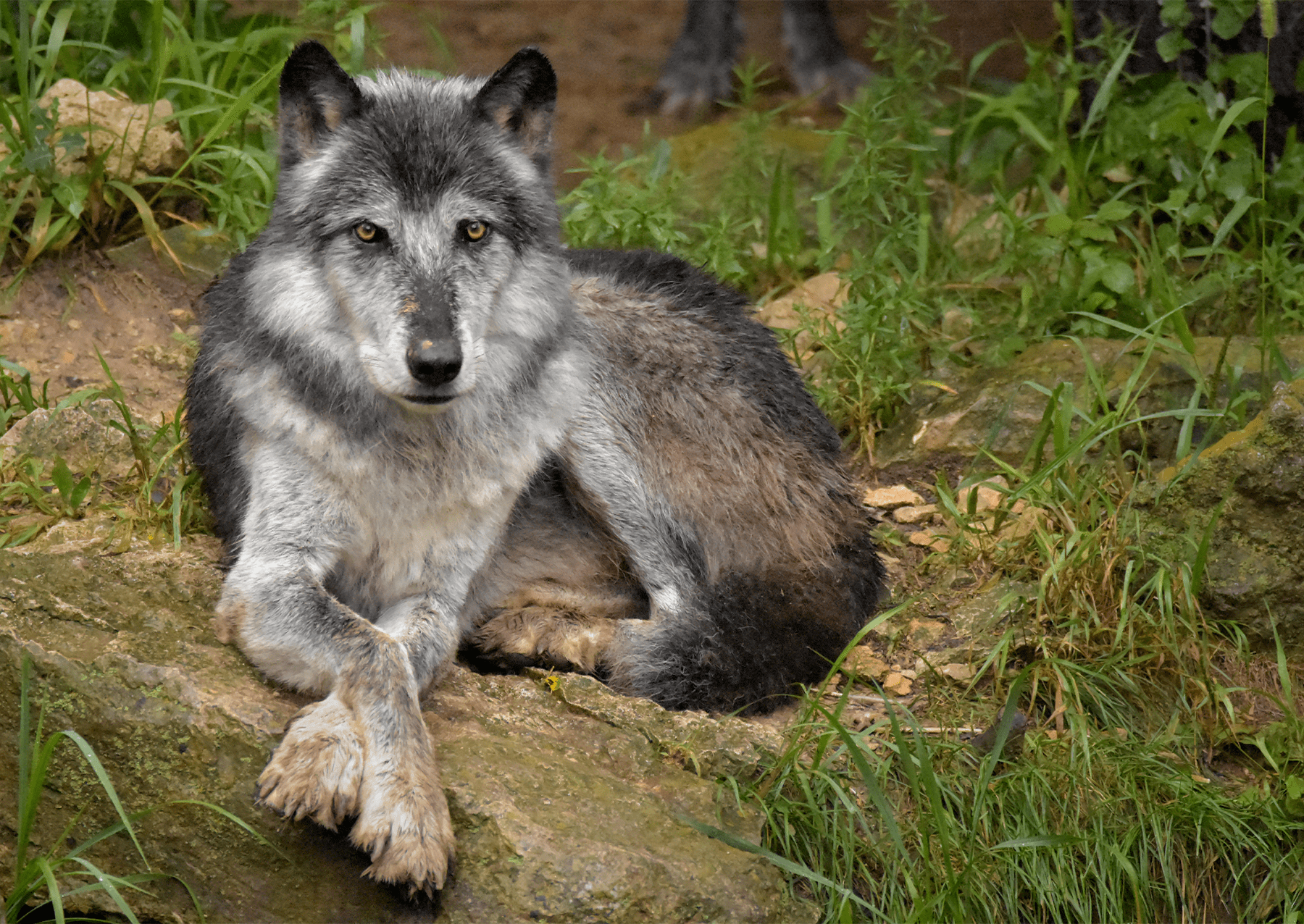
About 20,000 years ago (at the end of the Pleistocene), dogs evolved from a now-extinct population of gray wolves that were subject to human influence. Wolves and dogs that live in the same geographic regions can produce fertile offspring.
However, hybridization – the crossing between two animals of different species – is considered rare. Except for a few intentionally interbred wolves and dogs, there is little genetic evidence of gene flow between these groups after dog domestication separated their gene pools.
“Before this study, mainstream science seemed to suggest that for a dog to be a dog, there must not be much, if any, wolf DNA,” Lin said. “But we found that if you look very closely at modern dog genomes, wolf is there. This suggests that dog genomes can ‘tolerate’ wolf DNA to an unknown level and still be the dogs we know and love.”
Diving into wolfdog gene flow
In this new study, the team explored the historical gene flow of dogs and wolves using more than 2,700 published genomes of wolves, purebred dogs, village dogs and other canids from the late Pleistocene to the present. Nearly two-thirds of purebred dogs have wolf ancestry in their complete genome, from crossbreeding that took place around 1,000 generations ago. Additionally, all genomes analyzed from free-ranging dogs that live in or near human settlements, called village dogs, carry detectable wolf ancestry.
Czechoslovakian and Sarloo wolfdogs have the highest levels of wolf ancestry. These breeds were deliberately selected through hybridization with wolves, and modern dogs have wolf ancestry in 23 to 40 percent of their genome.

Among purebred dogs with a well-documented lineage, the dogs with the greatest wolf ancestry are the Anglo-French Tricolor Hound (between 4.7 and 5.7 percent wolf ancestry) and the Shiloh Shepherd (2.7 percent wolf ancestry). The Shiloh Shepherd originated from breeding efforts with wolfdogs or other recent wolfdog hybrids, with the goal of creating healthier, more family-friendly herding dogs in the United States. However, the origin of the extensive wolf ancestry seen in the large Anglo-French tricolor dogs is unknown.
The Tamaskan, a breed that originated in the United Kingdom in the 1980s by selecting genes from huskies, malamutes and other breeds, has approximately 3.7% wolf ancestry.
Critical remains
Several patterns have emerged from these nearly 20,000 years of dog data. Wolf ancestry is higher in larger dogs and those bred for certain types of work. These include arctic sled dogs and hunting dogs.
On average, terriers, hounds, and scent hounds have the least wolf ancestry. While some large guard dogs have high wolf ancestry, others, including the Neapolitan Mastiff, bullmastiff, and Saint Bernard, have no detectable wolf ancestry.
Wolf ancestry is also found in a wide range of dog breeds outside of these correlations, including Chihuahuas. They have about 0.2 percent wolf ancestry.
“This makes perfect sense for anyone who owns a Chihuahua,” Lin said. “And what we found is that this is the norm: Most dogs are a little bit like wolves.”
These remaining wolf genes may also be responsible for some important adaptations. Village dogs that survive on their ability to sniff human food exhibit enriched wolf ancestry in their olfactory receptor genes. The distribution of a wolf-like gene also helps Tibetan mastiffs tolerate the low-oxygen conditions of the Tibetan Plateau and the Himalayas.
“Dogs are our friends, but apparently wolves played an important role in transforming them into the companions we know and love today,” added study co-author Logan Kistler from the National Museum of Natural History in Washington DC. “Over the years, dogs have had to solve all sorts of evolutionary problems related to living with humans, whether it’s surviving at high altitudes, searching for their next meal as they freely roam a village, or protecting the herd, and it appears they are using wolf genes as part of a toolbox to continue their evolutionary success.

Holiday Gift Guide 2025