Your smart home needs a mesh network, here’s what that means


When I started building my smart home, I was still thinking and making mistakes. But one thing I’m glad I made early on was the decision to use a mesh network, rather than relying solely on Wi-Fi for everything.
While this choice largely applies to server-based solutions like Home Assistant, even closed smart home platforms can benefit from it.
What is a smart home mesh network?
A smart home mesh network is a wireless network that connects devices such as outlets, switches, and sensors to a server or hub. As their name suggests, these networks form a mesh for superior coverage. Network-powered devices act as repeaters that extend the network’s range around your home.
Although similar in principle to a Wi-Fi mesh network, which achieves coverage using multiple nodes, smart home mesh networks are designed specifically for this use case. There are three main mesh networking technologies that you should be aware of when choosing one for your smart home.
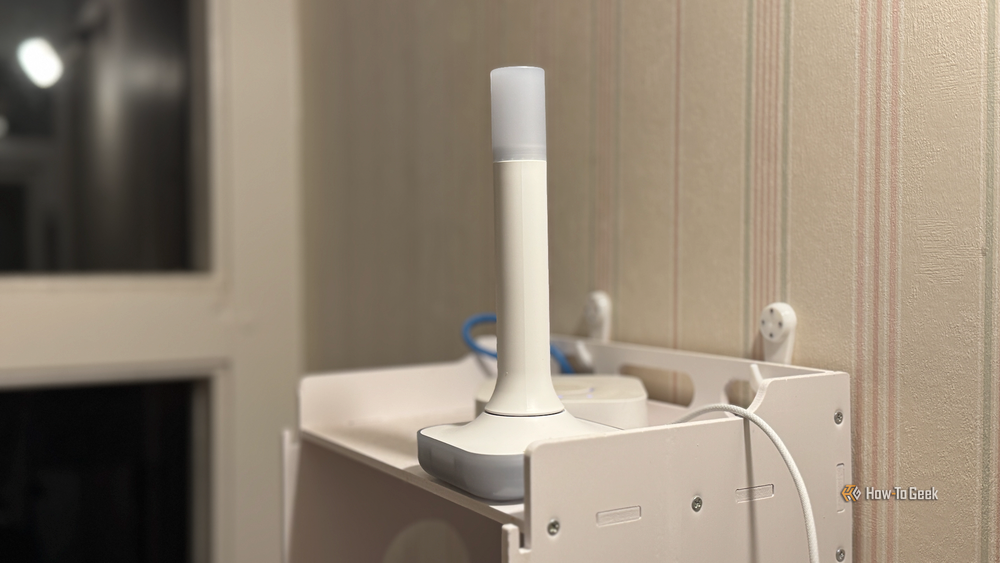
Zigbee is one of the oldest, having been introduced in 2005 before experiencing a resurgence in popularity during the 2010s. It uses the 2.4 GHz band, the same as older (slow) Wi-Fi networks, and has seen several iterations with Zigbee 4.0 on the horizon (which is moving away from the 2.4 GHz band).
Thread is the newest of all mesh networking options, first introduced in the mid-2010s with devices gradually hitting the market since 2020. It also uses the 2.4 GHz band and is primarily used with Matter devices. Matter is a cross-platform standard that, in theory, allows smart home devices to work with all major smart home systems. In reality, Matter hasn’t quite realized this vision yet.
Finally, there is Z-Wave. Z-Wave and Z-Wave Long Range use the 900 MHz band. As a result, Z-Wave benefits from a longer range than competing technologies, with communication possible over distances of up to a mile in ideal conditions.

Despite slight differences in approach, these networks work fundamentally the same way. They enable two-way communication between a server or hub and a smart home device. This means you can change the state of a device, like turning on a light, and receive a response that reflects that state change, so your hub knows the light is on.
This is superior to technology like 433 MHz, which relies on one-way communication.
Why mesh networks are better than Wi-Fi
Choosing a mesh network over Wi-Fi has a number of key benefits. The first is redundancy, meaning your smart devices don’t rely on your Wi-Fi network to function. If your router goes down, you can still turn on the lights. By plugging network equipment into a smart outlet that communicates over a mesh network, you can even automatically restart your crashed router or modem.
Consumer network equipment can also be fragile. Even though your router may advertise support for a few hundred devices, things can start to fall apart with far fewer devices on the network. Placing as many bulbs, switches and sensors on their own dedicated network takes the strain off your router.
Battery-powered devices are particularly well suited to mesh networks due to their low consumption. Wi-Fi is a thirsty technology, which is why touch, water leak, temperature and other sensors so often rely on Zigbee, Thread or Z-Wave.
Wi-Fi dead zones are less of an issue with a mesh network, provided you have powered devices capable of extending the network range. Inexpensive smart plugs can be used to harden the network, and you can even add additional mesh network coordinators (including Power-over-Ethernet options) for out-of-range areas.

There will always be devices that you can’t avoid connecting to over Wi-Fi, and that’s not necessarily a problem. I have my HVAC controller and garage door opener connected to Home Assistant via Wi-Fi, but my decision to rely on Wi-Fi as little as possible means I have 25 devices and rely on a separate Zigbee network.
Choosing between Zigbee, Z-Wave and Thread
The mesh network you choose largely depends on what you’re already using, your budget, and your desired use case.
If you use a proprietary smart home system like Apple Home, Thread is probably your best choice. Apple’s HomePod smart speaker acts as a Thread Border router, as do many Amazon and Google hubs. You’ll also have access to IKEA’s new range of inexpensive Matter over Thread appliances.
For Home Assistant and Homey users on a budget, you can’t beat Zigbee. Price and the massive selection of existing devices are just two of the reasons why it’s always better to choose Zigbee over Matter. IKEA’s departure from the Zigbee ecosystem is a shame, but there are still plenty of cheap Zigbee devices out there.

Finally, there is Z-Wave. This is the most expensive option, but it has range, reliability, and device selection on its side. Z-Wave also avoids the 2.4 GHz interference issues that can accompany Zigbee or Thread networks. Nothing compares to Z-Wave Long Range if you need range!
If you use Home Assistant, you can run all three at the same time. All you need are adapters like the ZBT-2 for Zigbee or Thread or the ZWA-2 for Z-Wave and its long range variant. There’s nothing wrong with taking a blended technology approach since Home Assistant is the glue that makes these devices work with each other.
-
- Dimensions (exterior)
-
83x83x179mm
- Weight
-
157g
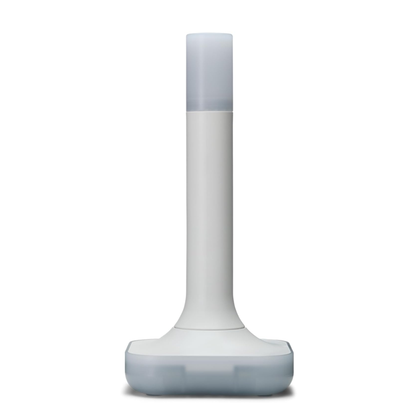
The Home Assistant Connect ZBT-2 supports both Zigbee and Thread, although it must be configured for use with either protocol. It offers 4x more responsiveness than the previous model and is designed to be easy to open for modding, with accessible pins and pads.
-
- Compatibility
-
Home assistant
- Connectivity
-
Z-Wave
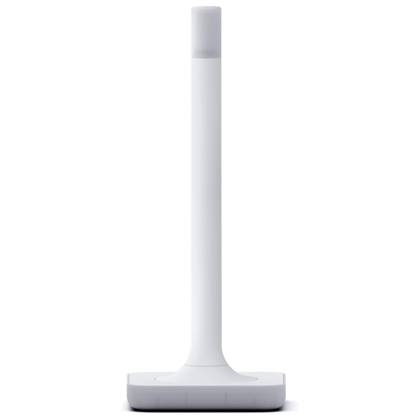
The Z-Wave Home Assistant Connect ZWA-2 Antenna connects to your Home Assistant setup via a simple USB cable. Offering almost a mile of range from the hub, you can connect Z-Wave devices even from your property’s outbuildings to your Home Assistant setup with this hub.


As an example, you can write an automation that takes a reading from a Zigbee sensor, turns on a Z-Wave switch, and adjusts a Thread thermostat.
While you may not have a problem to “solve” with a mesh network right now, as your smart home grows and your Wi-Fi network begins to fail, you’ll thank yourself down the line.


