4 times drinking coffee was illegal—or even punishable by death


Bach wrote a cantata about it. Scholars, philosophers and lawyers have debated it. And every day, people swear they can’t live without it.
No, not love or anything as indefinable as that: coffee.
Coffee originated in Ethiopia, but it was not until 15th century Yemen that it became popular as a beverage among Sufis seeking to remain alert during prayer. While its rich smell, bitter taste and caffeine content captured hearts around the world, many powerful people were wary of this new generation drink. Some authorities have even decided to ban coffee, often citing health, economic or moral reasons to justify their repression.
But sometimes these bans hide a dark and bitter truth. The café brought people together to discuss current events and society, something some leaders feared and did not tolerate. Throughout history, coffee bans never lasted long, but when they were active, transgressors risked being punished, or even killed, for their love of having a cup of coffee with friends.
1. The ban on coffee in Mecca at the beginning of the 16th century
Around the year 1500, coffee arrived in Mecca. Soon, cafes sprung up to serve both locals and weary pilgrims. But the popularity of this new, unique drink has raised suspicions. In 1511, a Meccan official, Kha’ir Beg, assembled a group of scholars to decide whether coffee should be banned.
Kha’ir Beg pressured the academics present to support the ban on coffee drinking, on the grounds that coffee was harmful to the body, intoxicated the mind, and encouraged people to gather together and misbehave. Cafes closed, coffee beans were burned, and authorities beat coffee drinkers.
Meanwhile, Kha’ir Beg sent an account of what he had done to Sultan Al-Ashraf Qansuh al-Ghuri. The Sultan’s response, however, was a quick rebuff. The Sultan issued a royal edict declaring that although drinking coffee in public was prohibited, drinking coffee in private was still permitted, thus taking the wind out of Kha’ir Beg’s sails and allowing the people of Mecca to return to their coffeehouses and, eventually, their cafes.
2. In Istanbul, Sultan Murad IV of the Ottoman Empire executed coffee drinkers
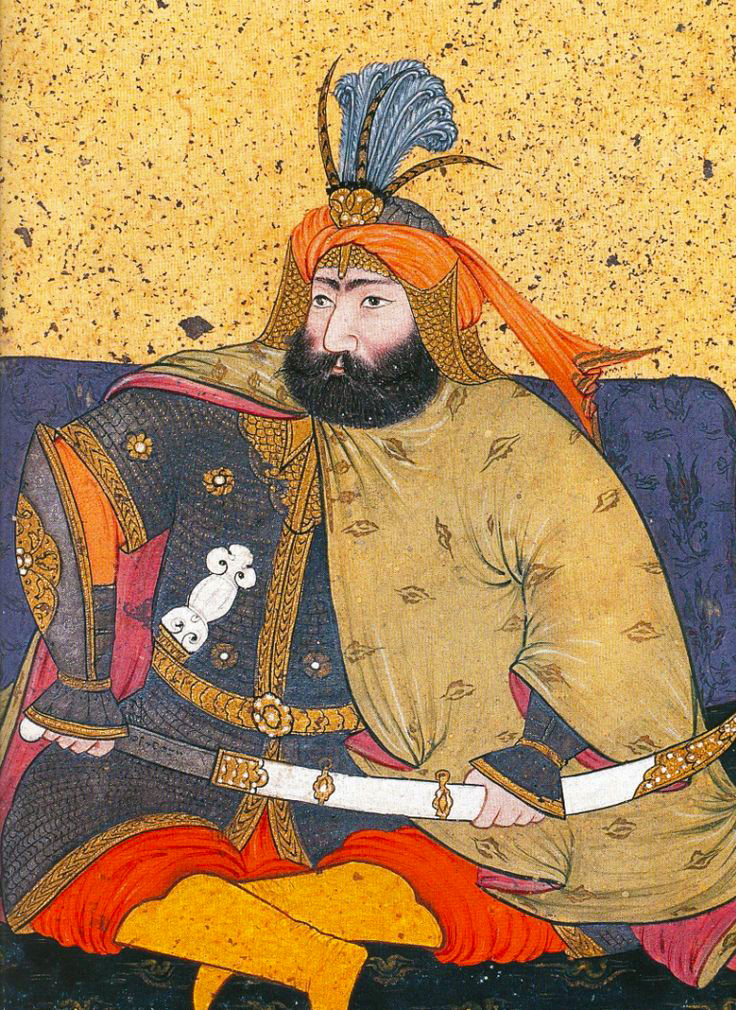
More than 100 years later, Sultan Murad IV also attacked cafes, this time in Istanbul. While coffee had already been banned in the Ottoman Empire, Murad IV took things to the extreme. He considered cafés to be dangerous centers of socialization, where uprisings and rebellions could foment.
Since Murad IV himself was placed on the throne by such uprisings, he was, perhaps understandably, paranoid. As a result, he banned coffee shops in Istanbul and imposed the death penalty on those caught drinking coffee in public. A brutal ruler, some of the worst stories about Murad IV have him executing coffee drinkers (and smokers, since tobacco was also banned) himself.
3. Sweden has banned coffee five times
In the 16th century, European visitors to the Ottoman Empire looked at coffee with curiosity, noting that it was served in small cups and hot, regardless of the weather. It was not until the 17th century that the coffee trade took root in Europe and spread rapidly. But the drink soon came under the same scrutiny in Europe as in Mecca and Istanbul. A common story is that King Gustav III of Sweden was so suspicious of the effects of coffee that he banned it and conducted a strange medical trial on doomed twins to see if coffee was dangerous. The story goes that one twin drank coffee every day, while the other drank tea, and both eventually outlived the king, who was assassinated in 1792.
Gustav III was certainly assassinated, but Michal Salamoni, a researcher on the history of Swedish coffee and coffee substitutes at Umeå University, Sweden, believes the story of the double trial is a myth.
Nevertheless, Sweden banned the importation of coffee on five occasions: in 1756, 1766, 1794, 1799, and 1817. Although Salamoni notes that there was often “criticism of new habits” such as coffee drinking, authorities cracked down on coffee primarily due to a trade deficit.
The bans, he said, were aimed at “the importation of coffee grown in the colonies of other European countries.” However, to enforce these bans, police would arrest, fine, and imprison people caught drinking or selling coffee, even on a small scale.
4. The secret Prussian force of “coffee sniffers”
In 1777, Frederick the Great published a screed against coffee. “It is disgusting,” he wrote, “to see the increase in the amount of coffee used by my subjects and the amount of money flowing out of the country as a result. » Like Sweden’s leaders, much of his problem with coffee was economic. Coffee, he said, was reserved for the elite. Ordinary people, on the other hand, “must drink beer.”
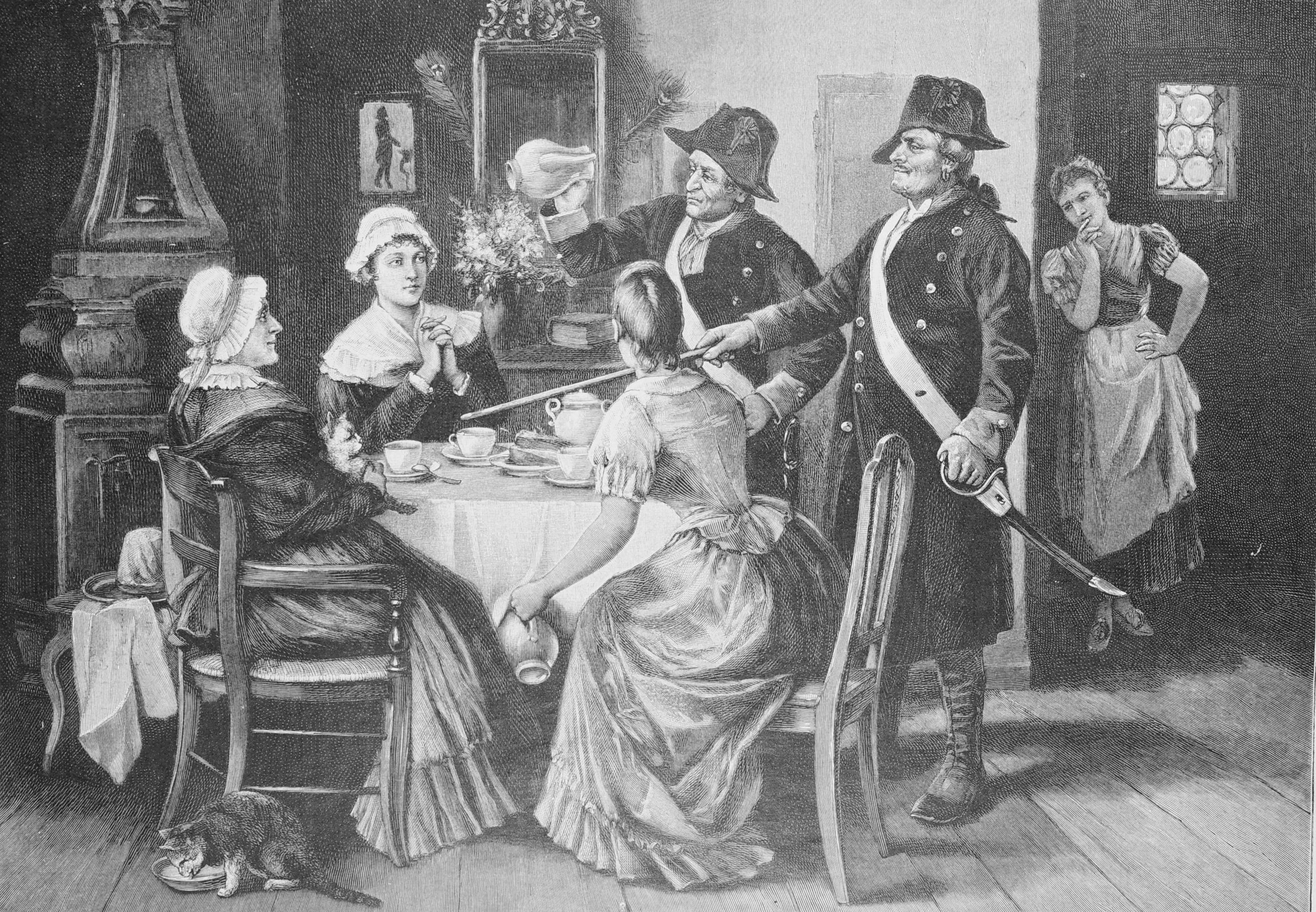
In 1781, Frederick created a royal coffee monopoly, complete with its own roasters, and forbade citizens from importing and roasting their own beans. Coffee became much more expensive, which naturally led to widespread smuggling. Enter the secret force of “coffee sniffers”.
THE Kaffeeschnüffler, Typically, veterans discharged for their injuries would roam the streets to sniff the rich smell of illegally roasted coffee. Those caught in possession of coffee had to pay heavy fines, with a quarter of the sum going to the coffee sniffer.
These days, few politicians would dare to ban coffee outright. There aren’t as many political coups at local coffee shops, for one thing. Plus, most doctors now agree that a cup or two of coffee does no harm. Instead, it’s the price of that cup that might give someone pause, as tariffs and climate change rock the international market. But as history shows, people will go to great lengths to get their coffee fix.
In This time whenPopular Science tells the strangest, surprising, and little-known stories that have shaped science, engineering, and innovation.
Related Stories “In Those Times When”

The best new PopSci 2025 releases