Breakthroughs, discoveries and DIY tips sent six days a week.
In 1804, a British man named Richard Trevithick invented the first steam locomotive. But it was Americans who truly embraced Trevithick’s invention in the decades that followed. In 1830, the 13-mile horse-powered Baltimore and Ohio Railroad became North America’s first railroad. A few decades later, the United States had more steam engine railways than the rest of the world combined, more than 9,000 miles.
The 19th century became the heyday of American railroads, as business magnate Cornelius Vanderbilt built an empire through train travel, consolidating much of the Northeast’s railroads. In 1902, the United States built more than 200,000 miles of railroads connecting the country like never before. The United States will never be the same.
Train travel today is very different than it was in the 1800s. These seven fascinating images are a window into a bygone era, when trains, not cars, ruled and shaped America. (Click to enlarge images in full screen.)
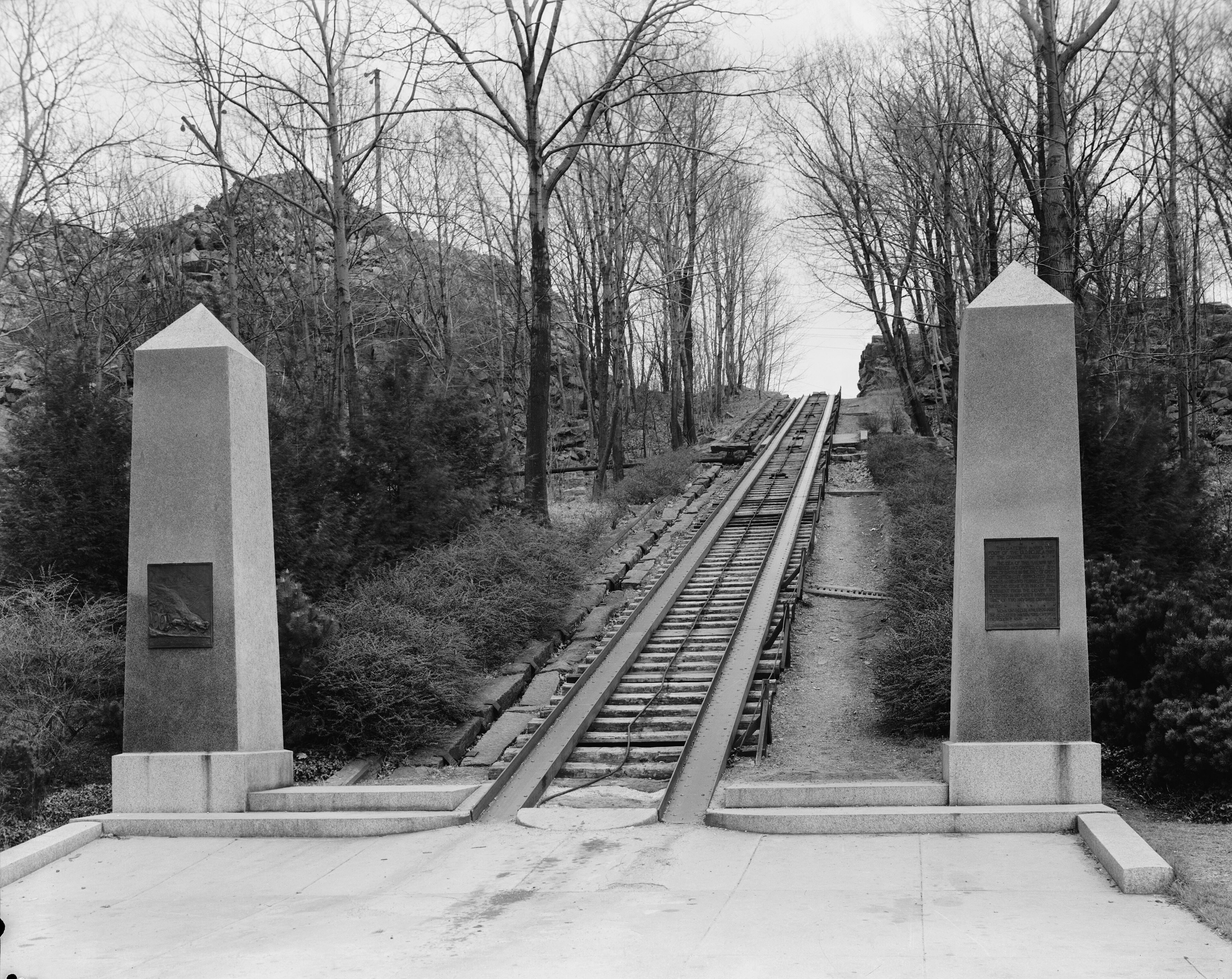
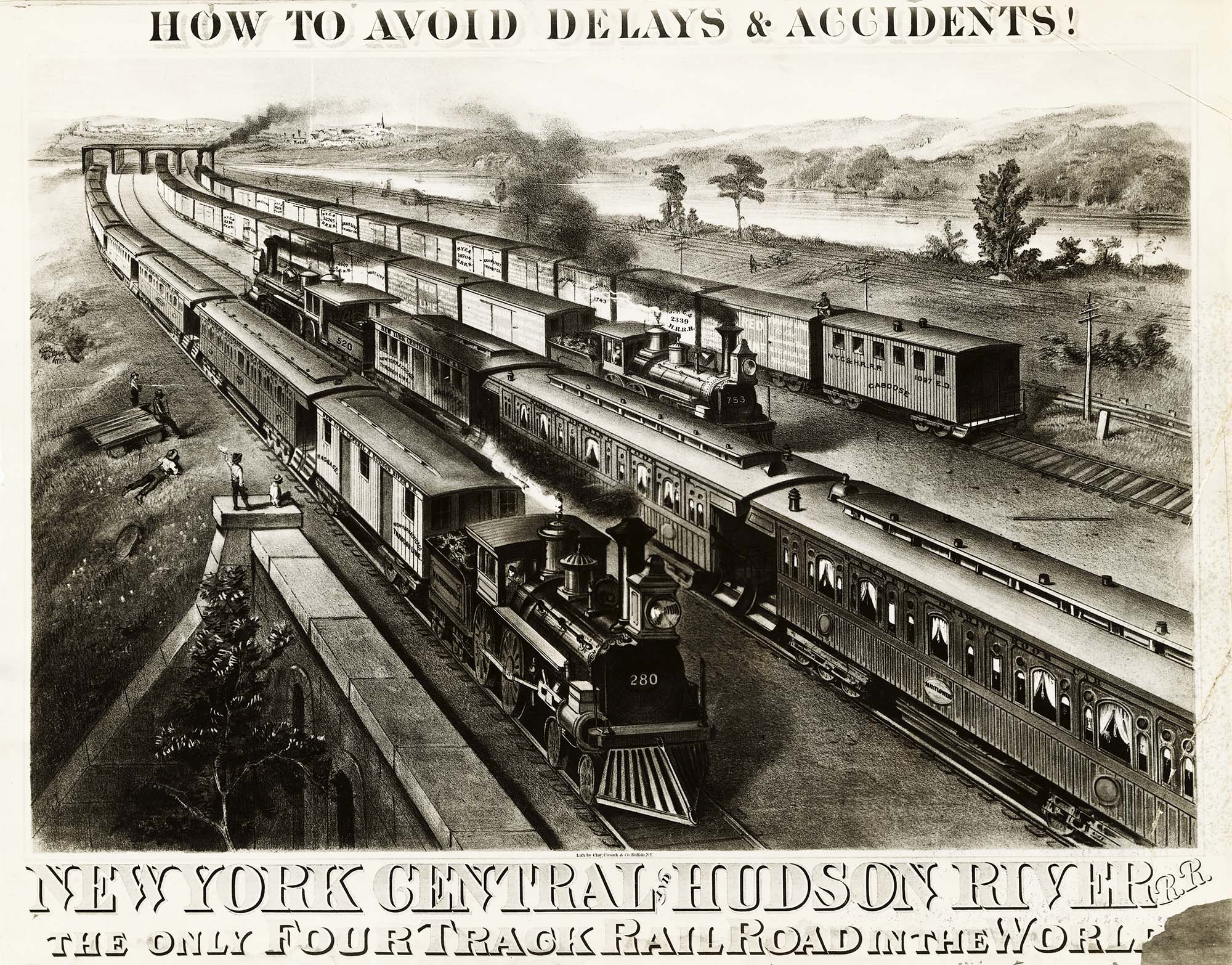
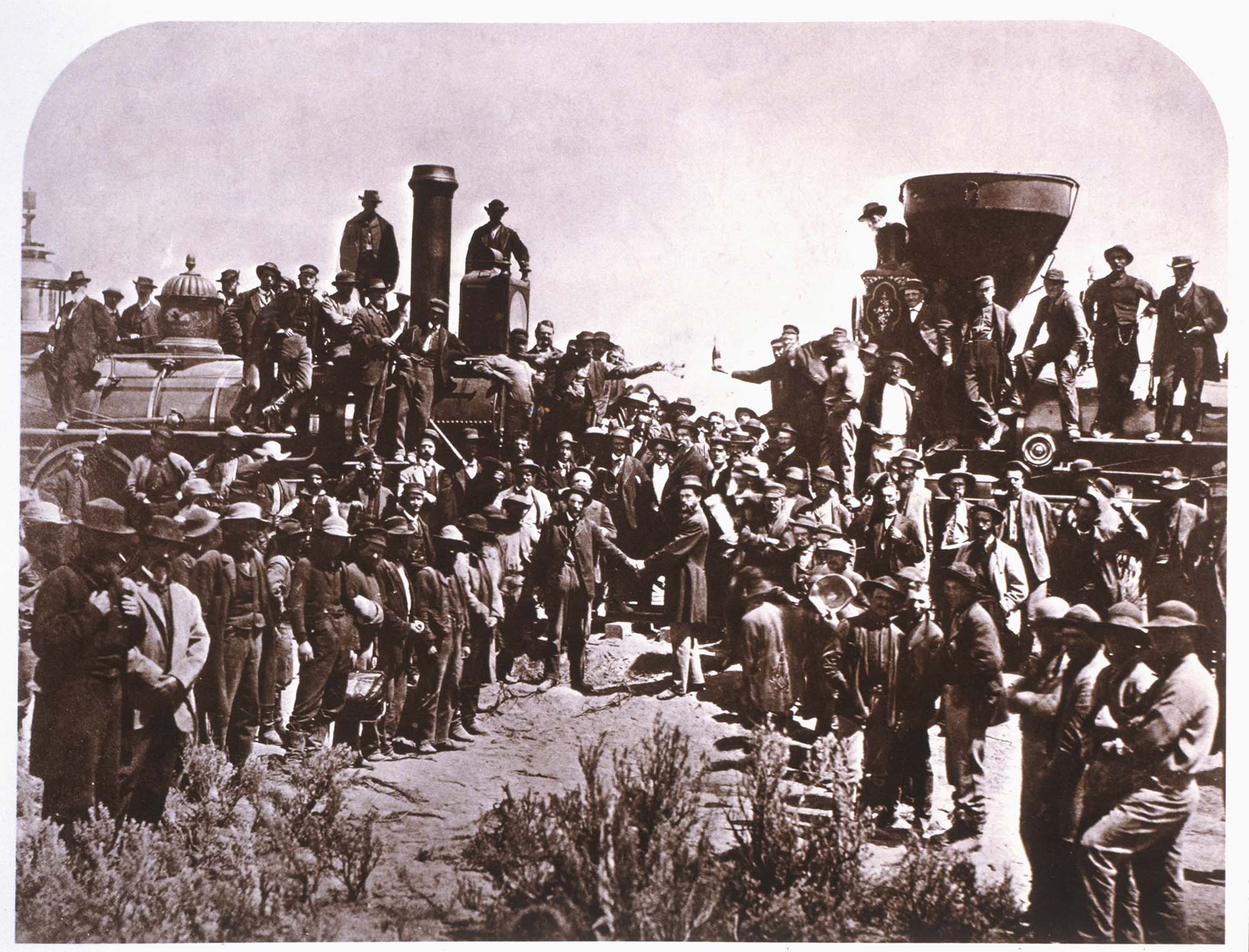
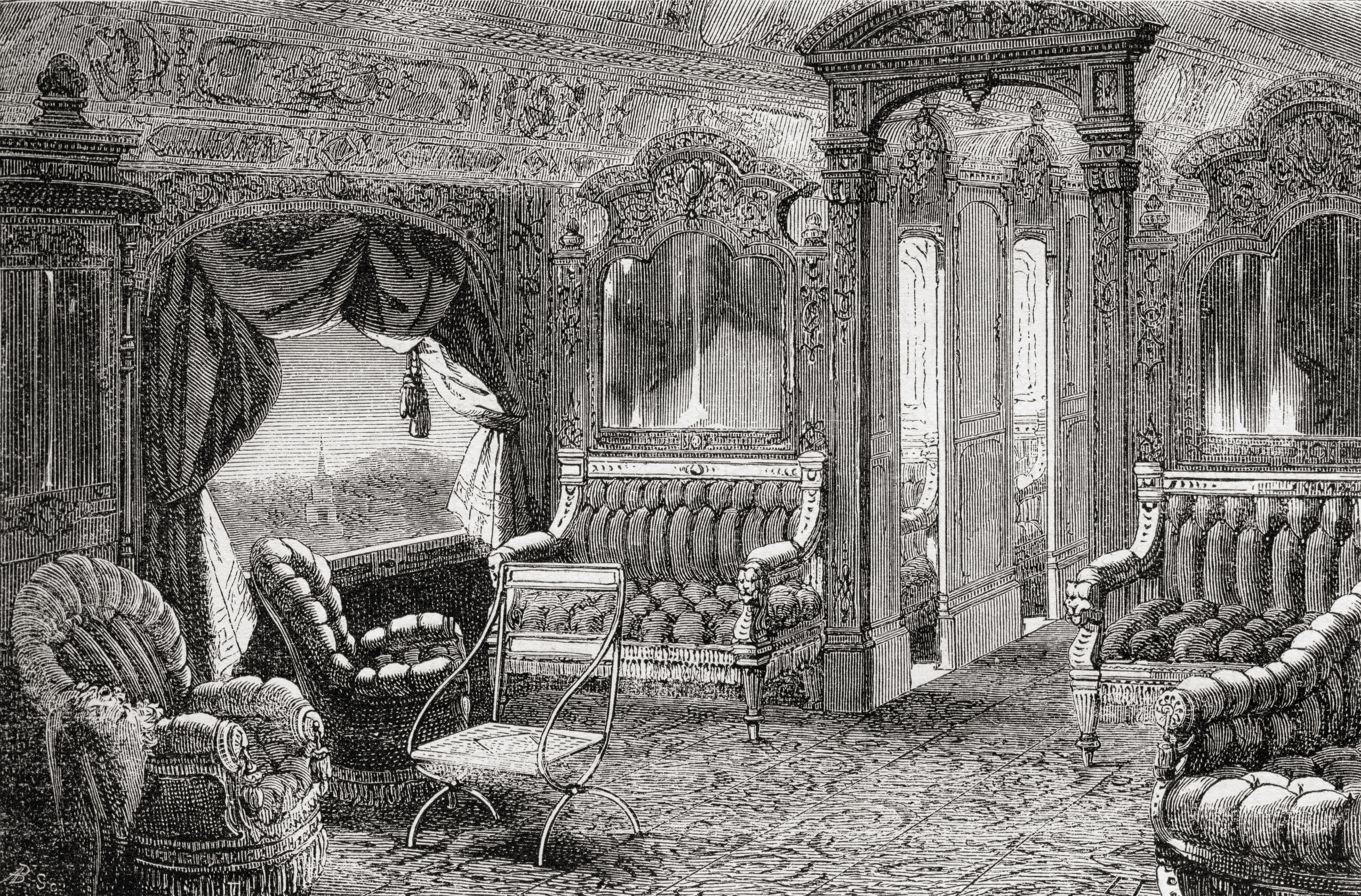
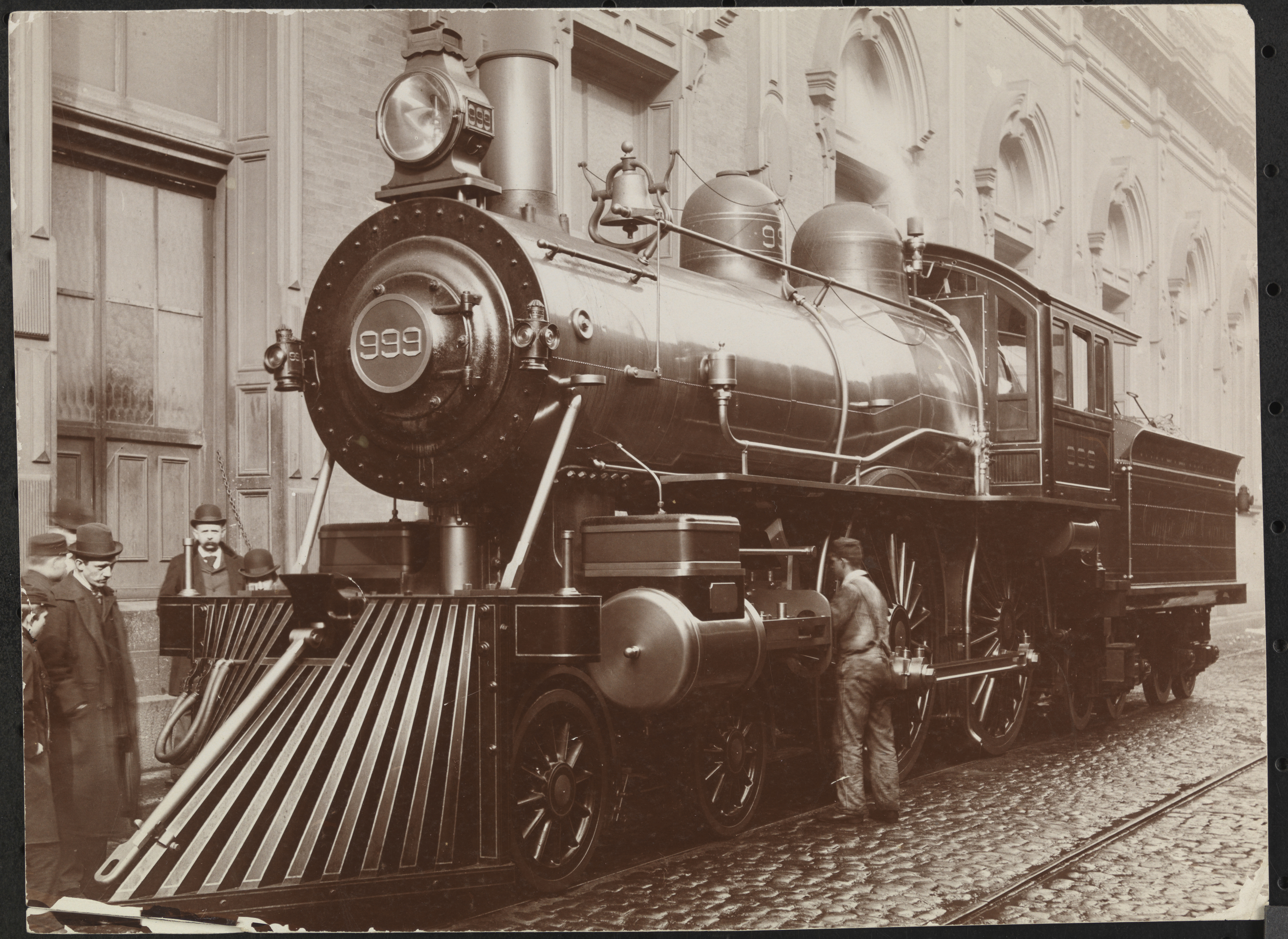
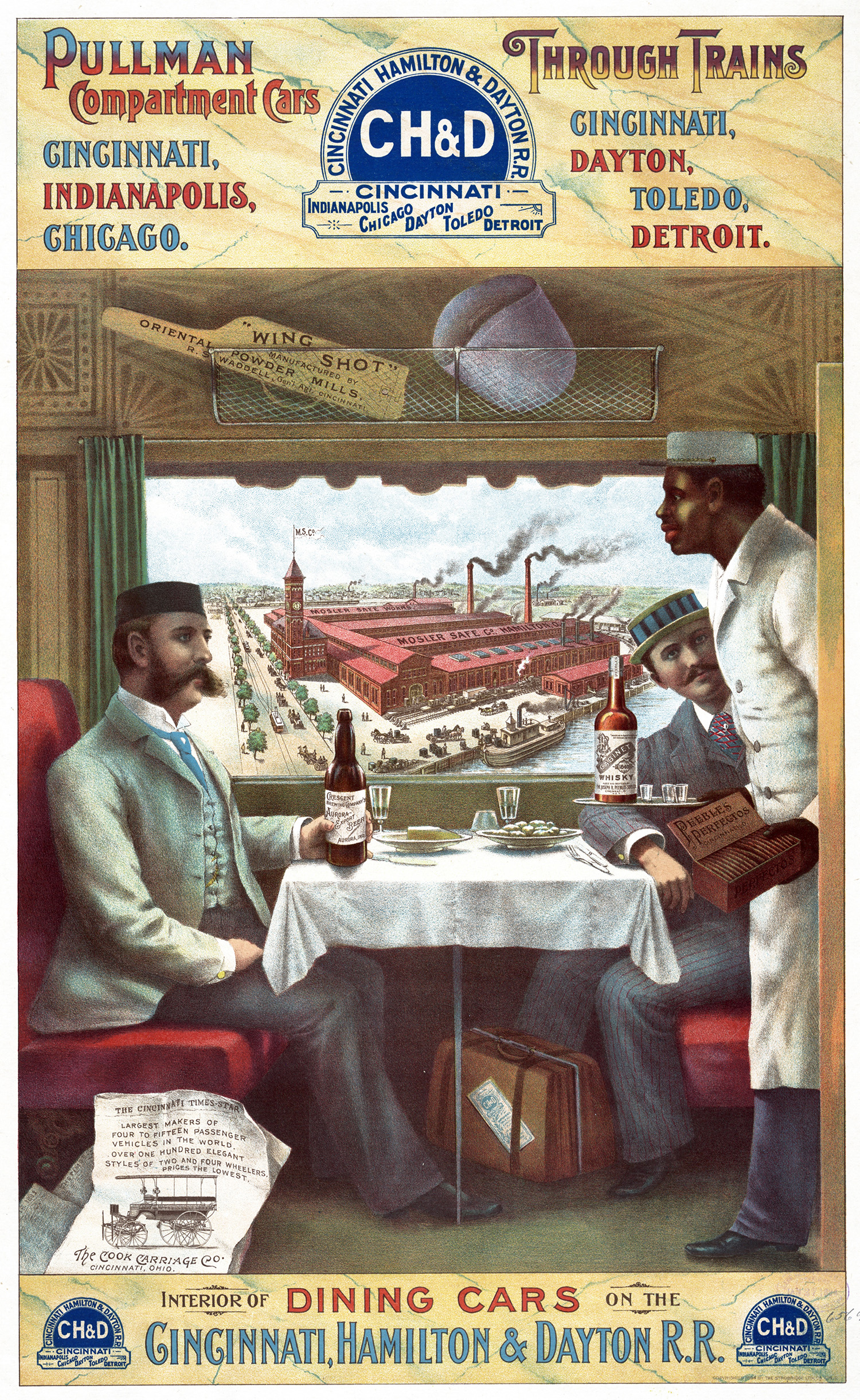
The three-mile Granite Railway in Quincy, Massachusetts, was the first commercial railroad in the United States. Incorporated in 1826, the railroad company used horses instead of steam locomotives to move cars along the tracks. It was primarily used to transport granite from Quincy to construct the Bunker Hill Monument, a war memorial commemorating the Revolutionary War battle of 1775 completed in 1843. Image: Public domain Library of CongressThe DeWitt Clinton was one of the first steam locomotives ever used in the United States and one of the first to offer regular passenger service to New York. The DeWitt Clinton pulled a unique style of stagecoach converted into passenger cars. The locomotive only operated between 1831 and 1833. Image: Library of Congress / Contributor / Getty Images Library of CongressIn the 1860s, railroads were king in the United States. In 1833, only about 380 miles of railroad tracks were in operation across the country. By 1860, more than 30,000 miles of track were in use. This illustration, made around 1860, shows the four-track track of the New York Central and Hudson River Railroad, led by Cornelius “Commodore” Vanderbilt. Image: Bettmann / Contributor / Getty Images BettmannIn 1869, a “Golden Spike” connected the Union Pacific and Central Pacific railroads in Promontory, Utah, marking the completion of the first transcontinental railroad in the United States. Image: Universal History Archives / Contributor / Getty Images Archives of universal historyIn 1875, the era of luxury train travel was upon us. Along the transcontinental railroad, Pullman Palace Railway cars offered travelers sleeping cars, restaurants, and even specialized parlor cars. This illustration is taken from a Spanish travel book filled with illustrated engravings entitled El Mundo En La Mano. Image: Universal History Archives / Contributor / Getty Images Archives of universal historyOn May 10, 1893, a steam locomotive traveling between Batavia and Buffalo, New York, reached 112.5 miles per hour, marking the first time a train exceeded 100 mph. The fast locomotive was No. 999 of the New York Central and Hudson River Railroad. Image: Museum of the City of New York/Byron Collection / Contributor / Getty Images Museum of the City of New YorkGeorge Pullman, the founder of the Pullman Palace Car Company, introduced the first dining cars on the railroads. Black men, known as Pullman porters, typically staffed these luxury dining cars, often working 20-hour shifts straight for little pay. In 1925, porters founded the Brotherhood of Sleeping Car Porters, one of the first all-black unions in the country. Image: Universal History Archives / Contributor / Getty Images