Advances, discoveries and DIY advice sent every day of the week.
Science is everywhere. Phenomenal moments: revealing the hidden science around us(Candlewick/MiTeenPress, November 4, 2025) is a joyful invitation to discover how incredible our world is. Organized into five thematic sections, the book turns learning science into a guessing game. Detailed photographs like the ones below, taken by MIT researcher and science photographer Felice Frankel, challenge readers to infer the underlying chemical, natural, or physical processes at play. Then, within a page, the scientific explanation is revealed. Images are republished with permission. (Click to enlarge images in full screen.)
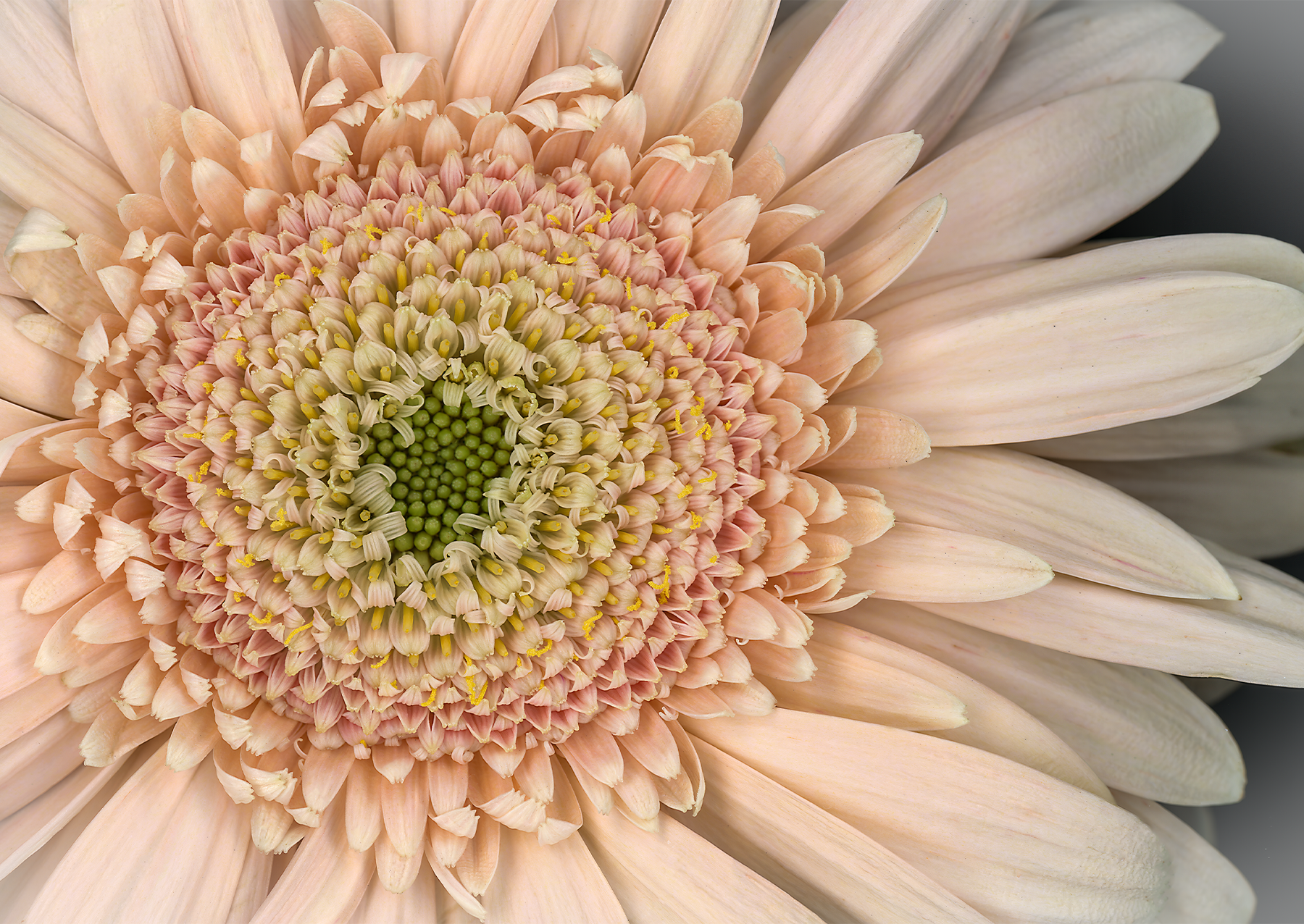
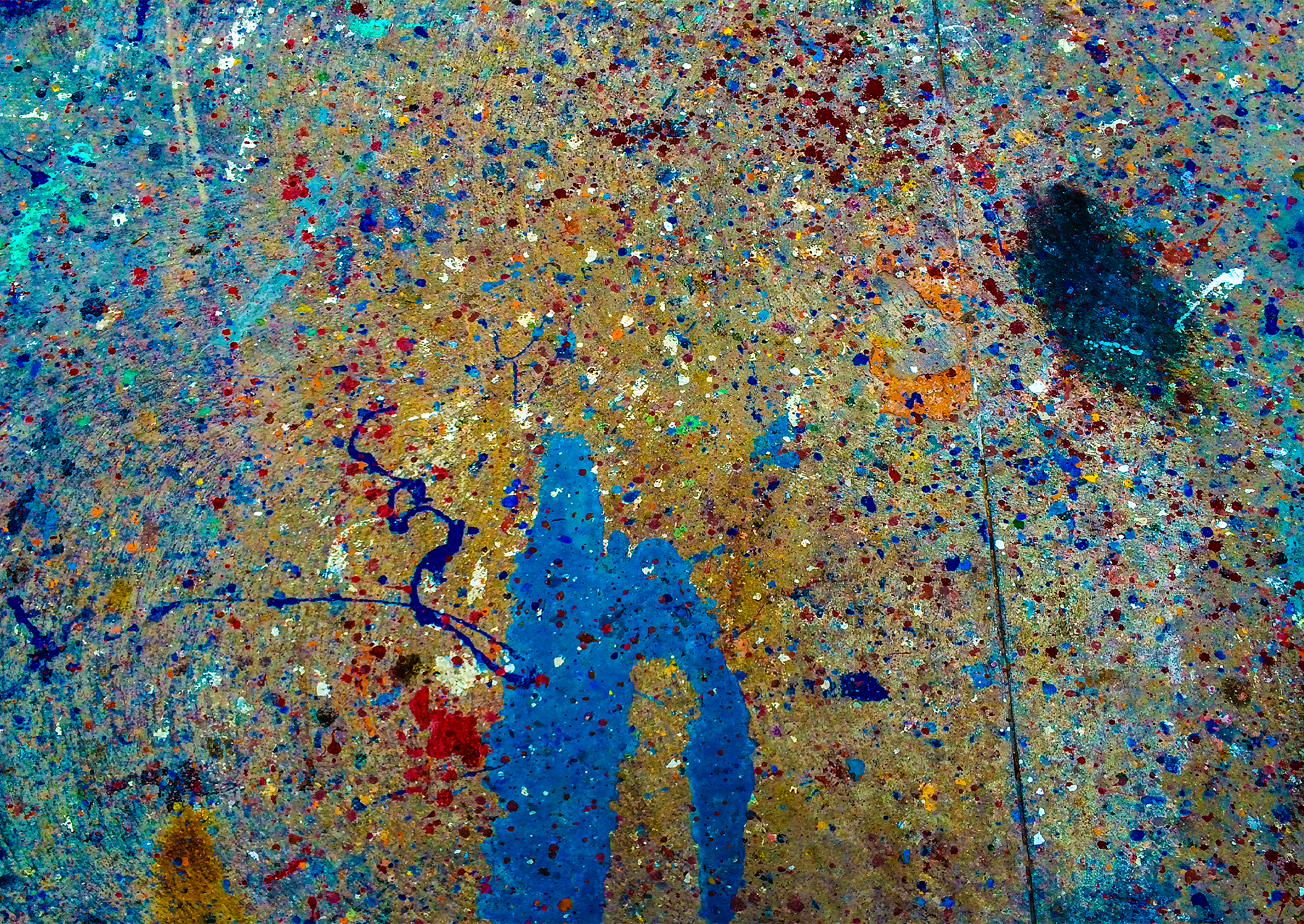
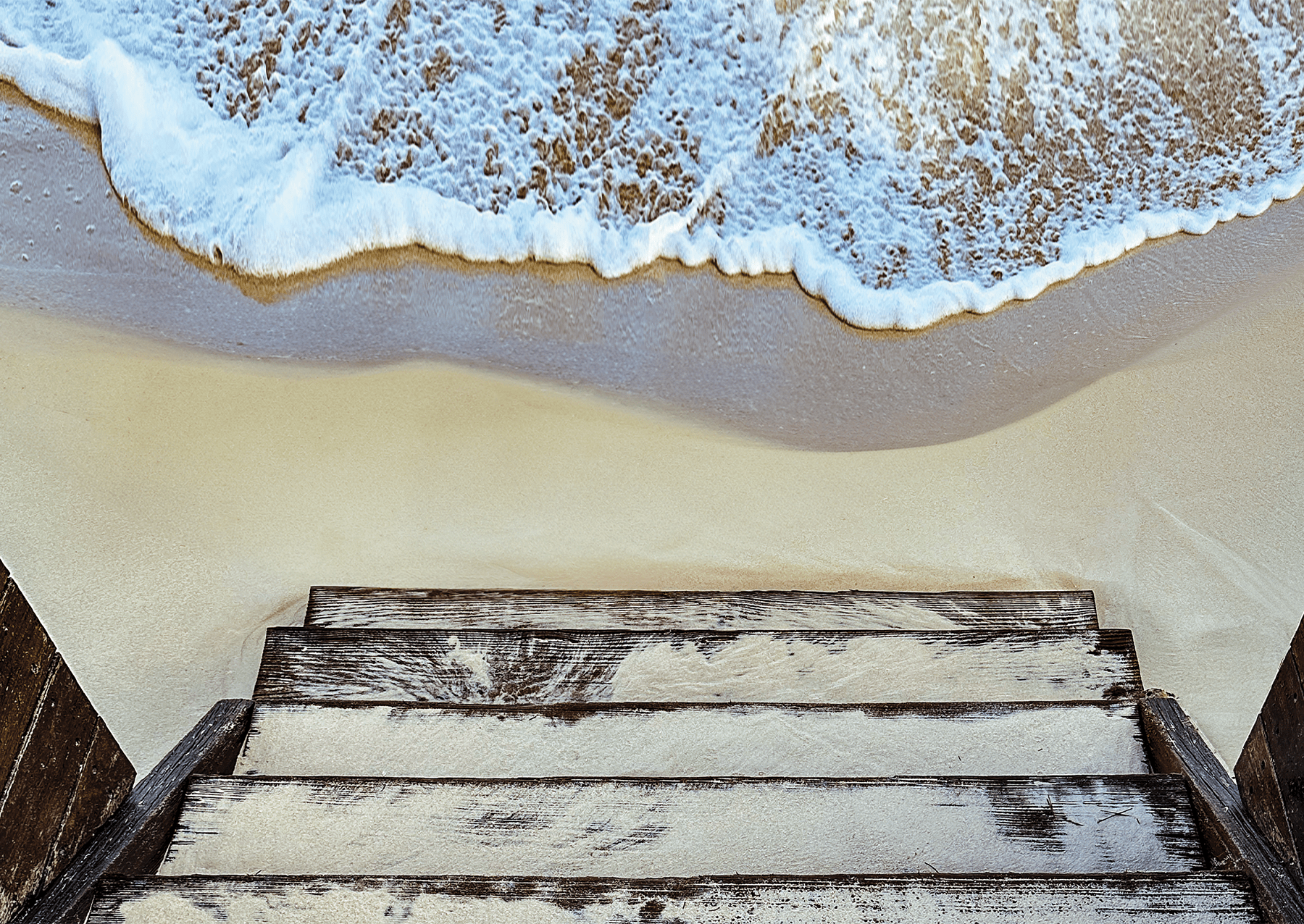
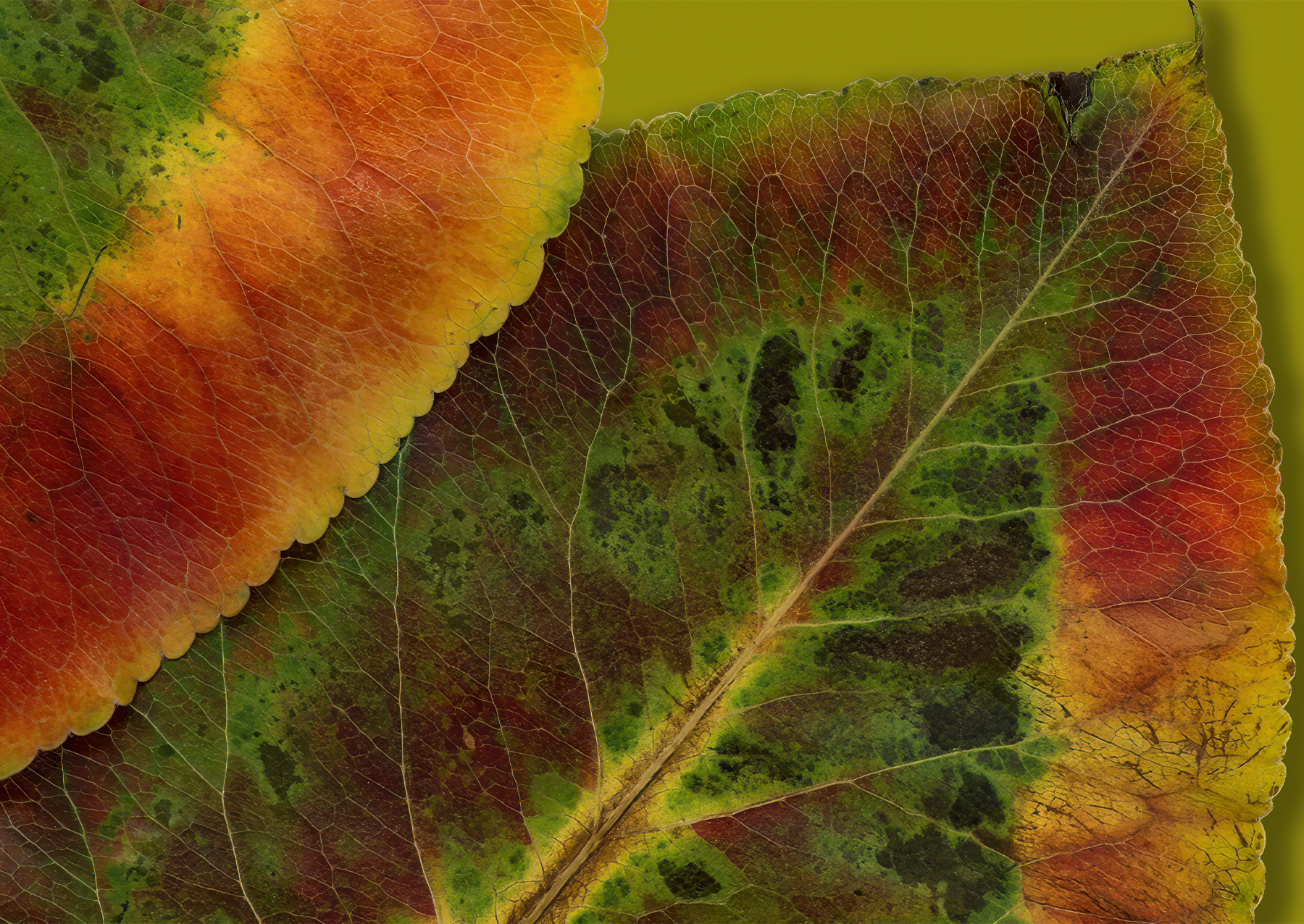
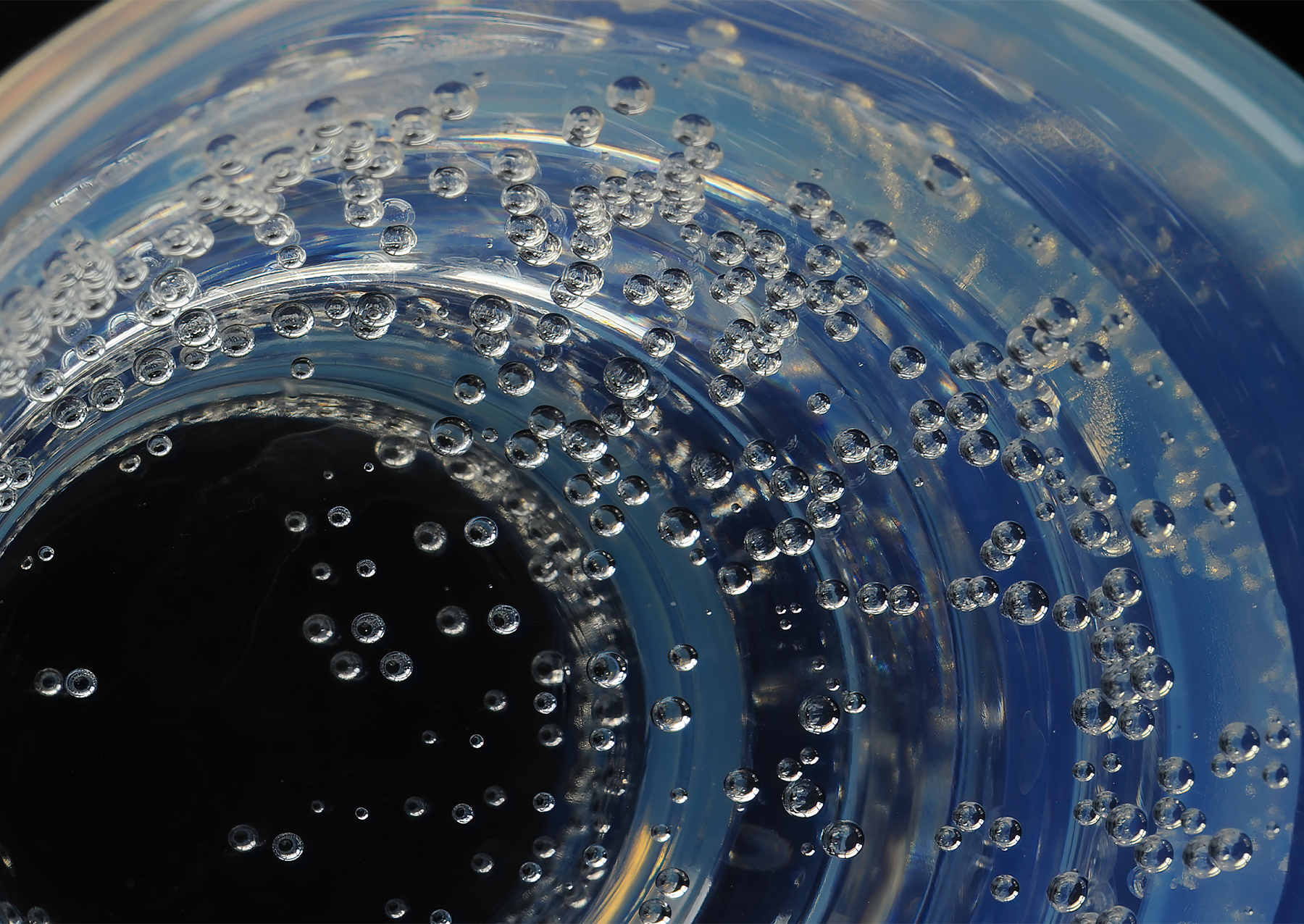
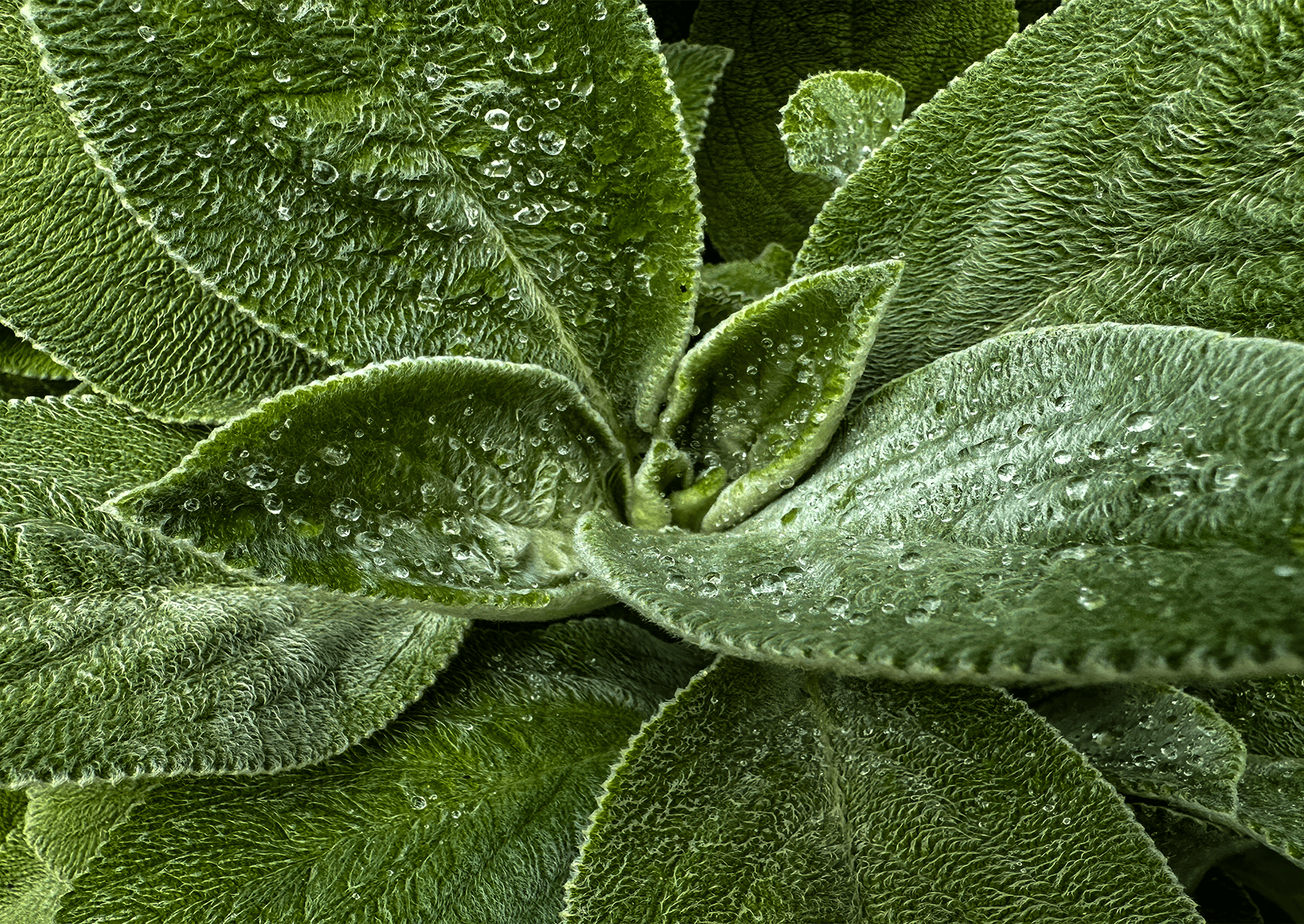
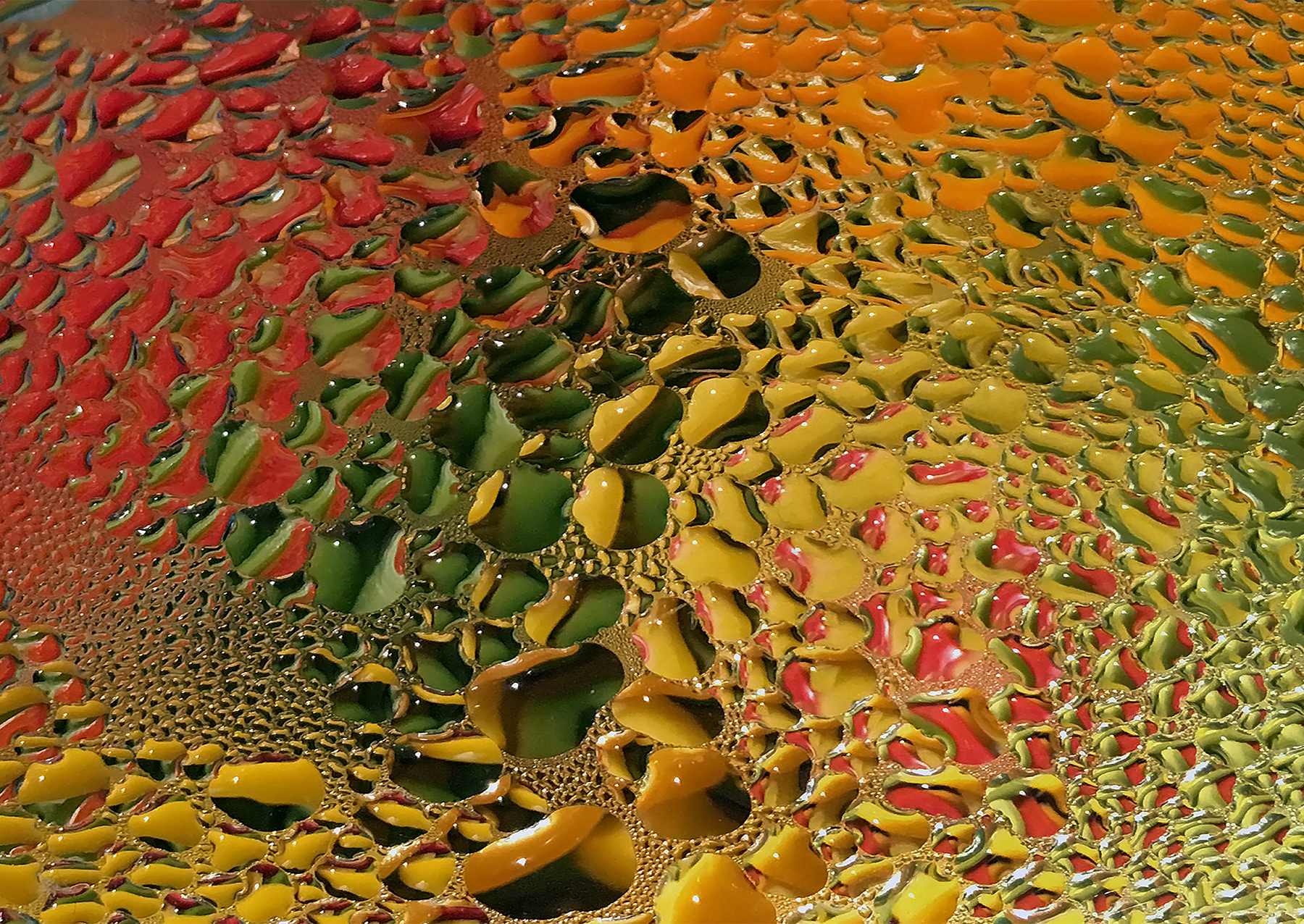
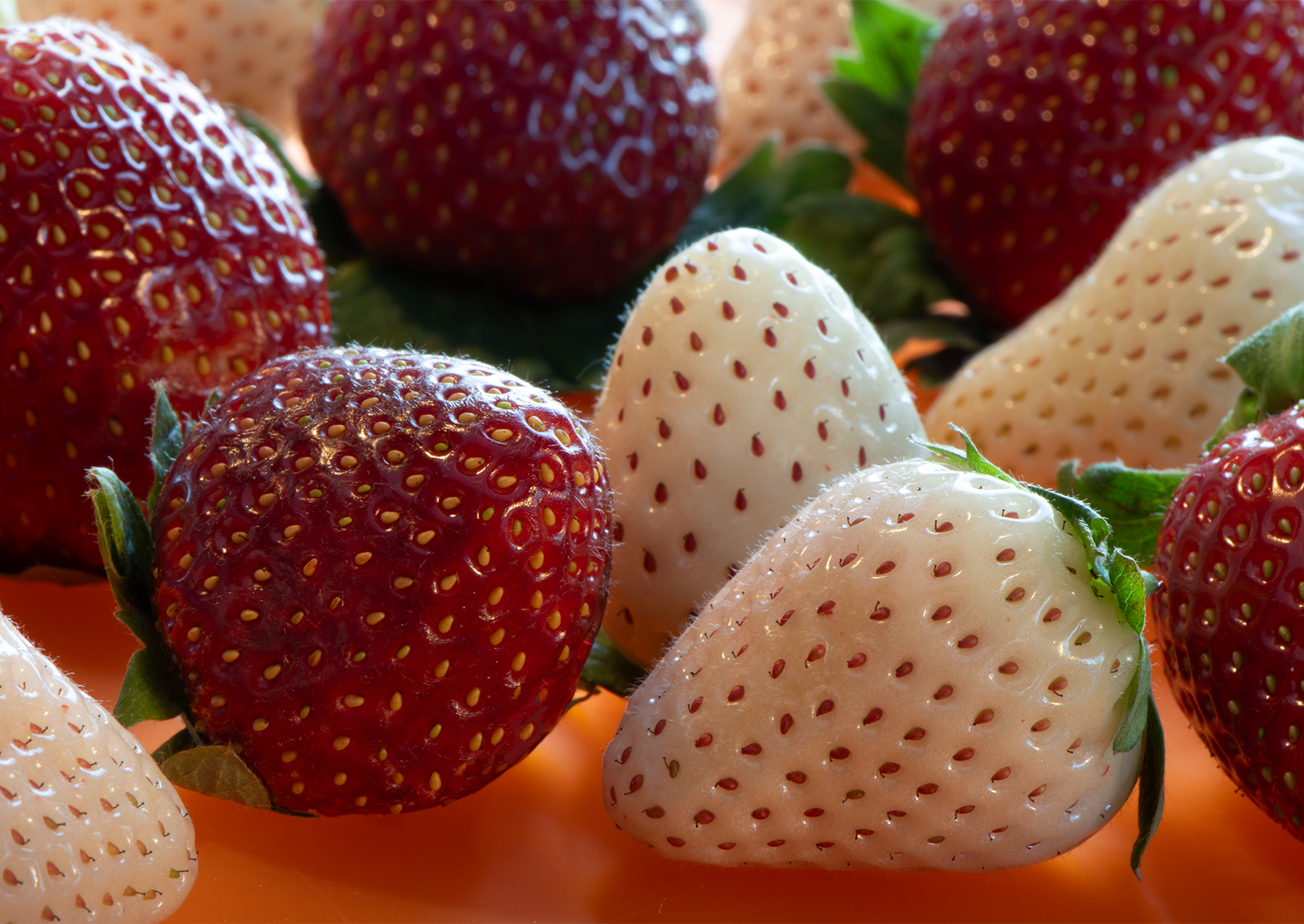
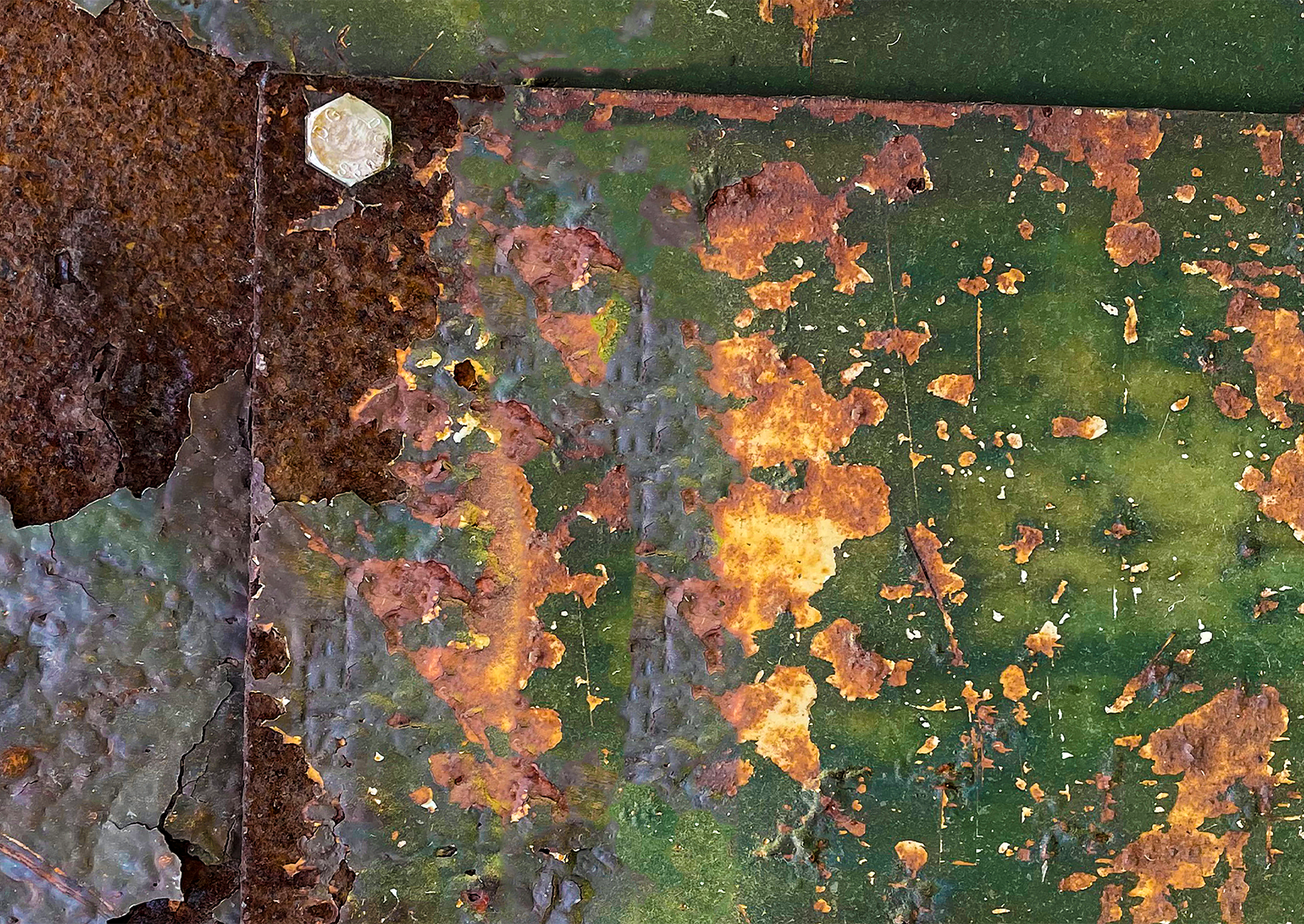
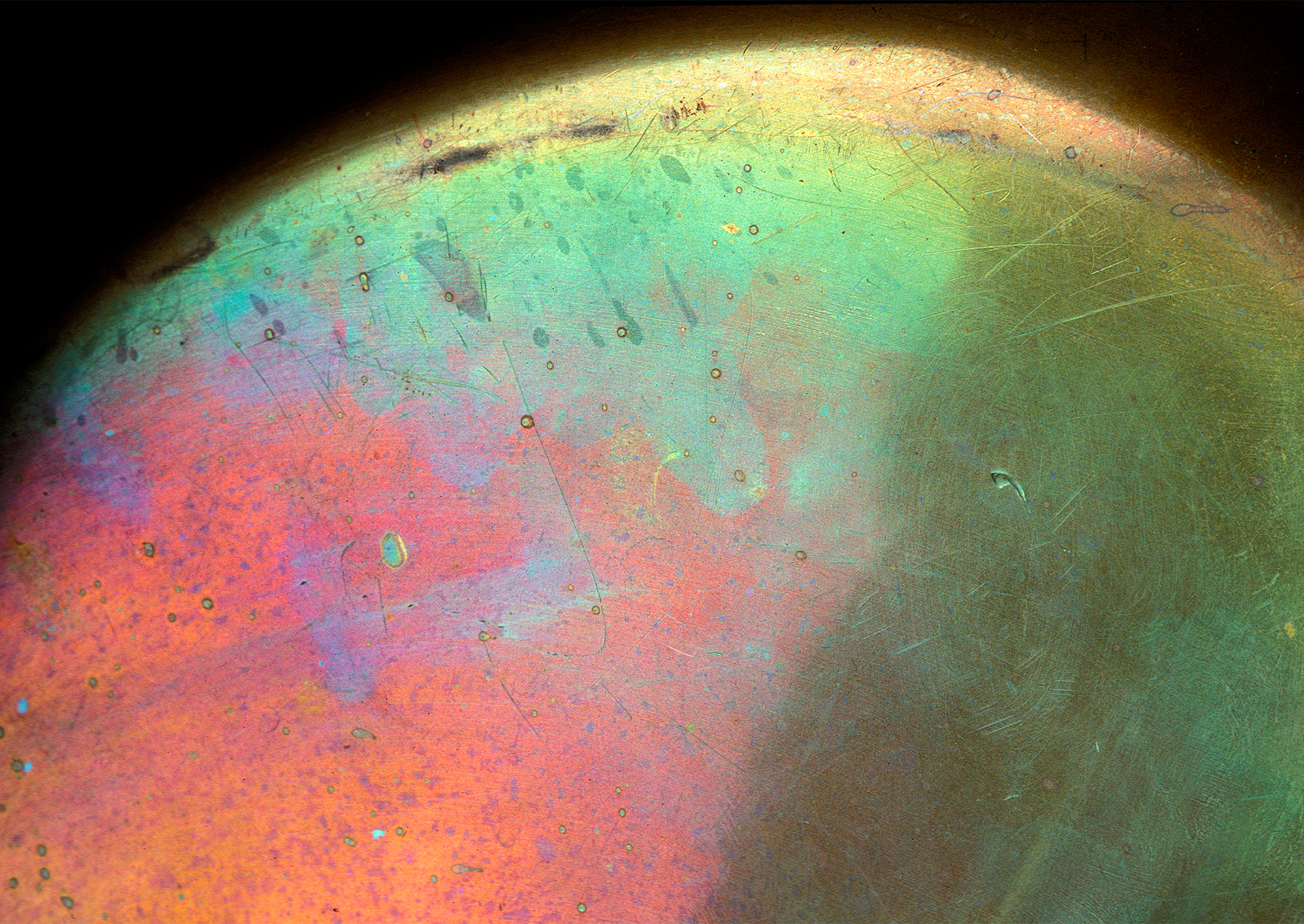
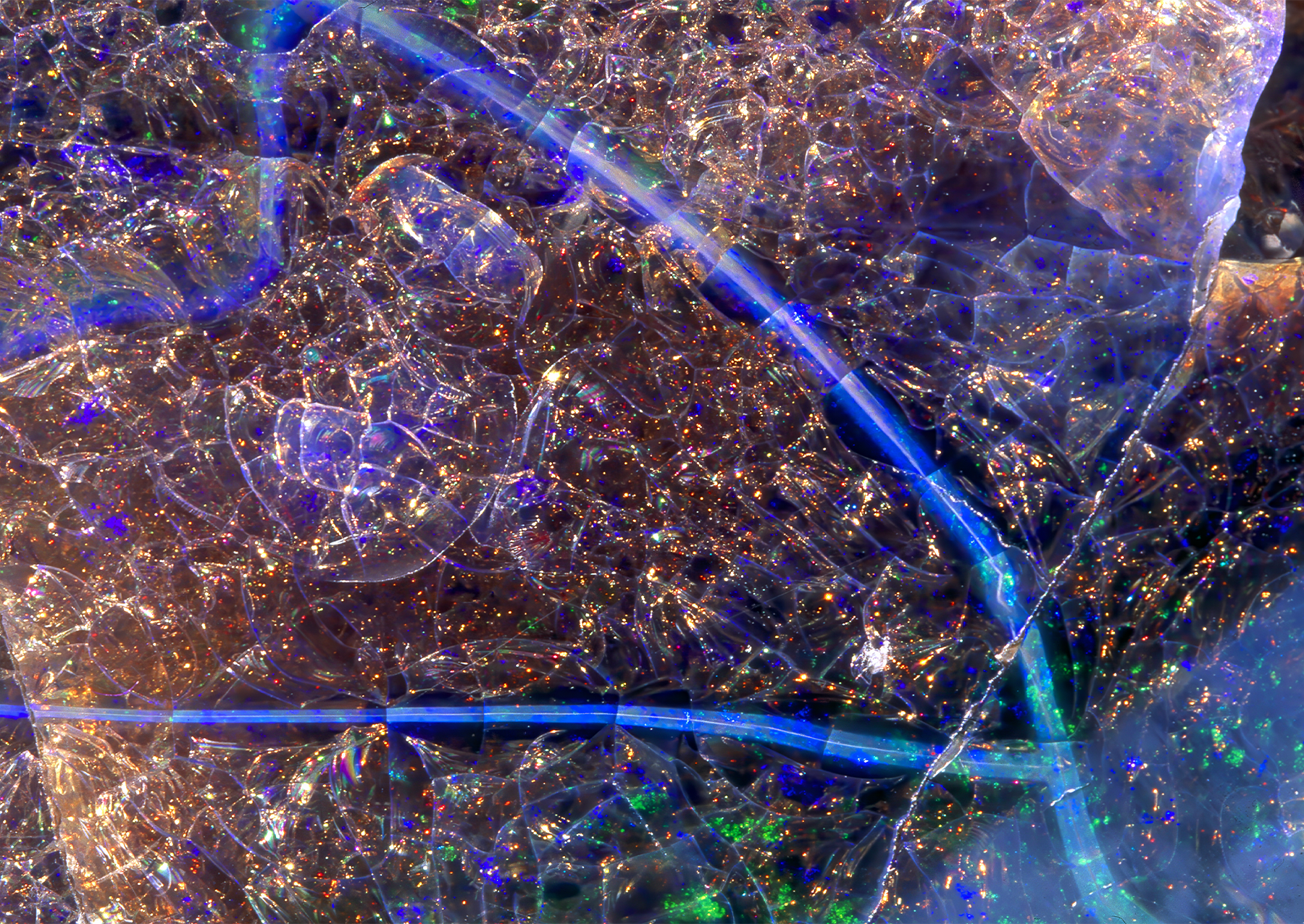
Although it appears to be a single, stunningly beautiful flower, the gerbera is a composite of hundreds of flowers divided into three different subgroups. The central disc, shown here in green, contains the subgroup called disc florets. Around the central disc are the trans florets. Look carefully in the trans area to find the small yellow structures. These are stamens. Image: Felice Frankel.As I passed a store front painted all sorts of colors, I noticed some paint splattered on the sidewalk. It reminded me of a Jackson Pollock painting. The patterns of paint droplets, drips and stripes depend, among other things, on viscosity. Image: Felice Frankel.The sand marks on the stairs, previously suspended in the ocean water, were brought in with high tide, which occurs when the Moon exerts its gravitational pull on Earth. Image: Felice Frankel.Fall is my favorite time of year. Leaf colors are caused by the breakdown of the green pigment called chlorophyll. Chlorophyll helps leaves extract energy from the sun. As chlorophyll is not replenished in autumn, yellowish and red pigments are now visible. Image: Felice Frankel.I always find it fascinating to see bubbles forming after pouring sparkling water into a glass. The bubbles are carbon dioxide dissolved in the liquid under pressure. When we open a bottle or can, the pressure is released and the carbon dioxide comes out of solution as bubbles or fizz. Image: Felice Frankel.Lamb’s ear has a hairy surface which makes the leaves hydrophobic. When water comes into contact with leaves, it beads and rolls off instead of staying on the surface of the leaves. This effect gives nature a way to clean the leaves. Image: Felice Frankel.As I sautéed yellow, orange, red, and green peppers for a pasta dish on my induction stove, the glass lid of my skillet began to reflect all the wonderful colors. The heat from the cooking surface caused the water to vaporize from the peppers, creating steam that was captured by the glass lid. The water melted into larger drops, forming condensation on the glass. Image: Felice Frankel.Have you ever seen white strawberries? It turns out that these are not strawberries, but pineberries, which look a lot like the red strawberries we are used to seeing. Both of these types of berries appear to have “seeds” on the surface, but these dots are not actually seeds. These are the ovaries of the plant, called achenes. Image: Felice Frankel.This metal fence was originally painted green, but corrosion caused the steel of the fence to rust and the paint to peel. Rust (red or yellowish iron oxide) forms by oxidation. Image: Felice Frankel. When the bottom of my copper pot was exposed to heat and air, it oxidized, causing a thin layer of copper compounds, including copper carbonate, to form on its surface. We call this process patina formation (or simply skating). Over time, different types of oxidation reactions occur, forming various copper compounds. The different compounds produce the colors. Image: Felice Frankel. The bright sun reflections in the foreground are the result of sunlight reflecting off a rippled water surface. The angle of the sun hitting the waves determines the shape of the sun’s reflection. Your position makes a difference to what you see. Image: Felice Frankel. Over many geological years, opal slowly forms as many small spheres of silica (which the glass is made) self-assembles into perfectly ordered layers. Diffraction (not to be confused with refraction) occurs when light passes through spheres and spaces, and it is divided into the colors of the visible spectrum: red, orange, yellow, green, blue, indigo and violet. Image: Felice Frankel.
Phenomenal moments: revealing the hidden science around us (Candlewick/MiTeenPress, November 4, 2025).
Felice FrankeI is a renowned scientific photographer and research scientist at MIT. His work appeared in National geographicNews week, NatureAnd Scientific Americanshe is a member of the American Association for the Advancement of Science and received a Guggenheim Fellowship.
House of the Future Prize 2025
Smart kitchen tools, unique appliances, smart home systems and everything you need in your home in the future.