The MacBook disruption is about to begin


Everything we know about the MacBook is about to change. There are widespread rumors that Apple is about to shake up its laptop lineup in the most significant way since the introduction of the failed 12-inch MacBook in 2015. And after several months of speculation, it now seems almost certain that a budget MacBook powered by an iPhone chip will appear as part of Apple’s March 4 “experience” event.
So far, almost all the attention has been on this laptop itself, and understandably so: Apple has never released a MacBook for less than $1,000, after all. But the impact of such a device will not be limited to the economic market. This will likely lead to changes elsewhere in the MacBook lineup as well.
Indeed, the new budget MacBook gives Apple the opportunity to redesign the MacBook Air and make much-needed upgrades to its mid-range MacBook options, creating space between it and the new budget model while further distinguishing the Air and Pro lines.
Out of breath
For years, the MacBook Air held the entry-level spot among Apple’s portable Macs. It offers the cheapest price, the lowest-end chips, and the least advanced display. For the majority of consumers, that’s more than enough, and it’s absolutely the best MacBook for most people. But the arrival of a cheaper MacBook will change this perception.
This new MacBook is rumored to have a significantly slower chip than the Air, but many of the same features people look for in a laptop: price, portability, and battery life. The Air has long checked all of these boxes, but now that something significantly cheaper will be available, Apple needs to reposition the Air as a mid-range device by filling in some of its shortcomings.
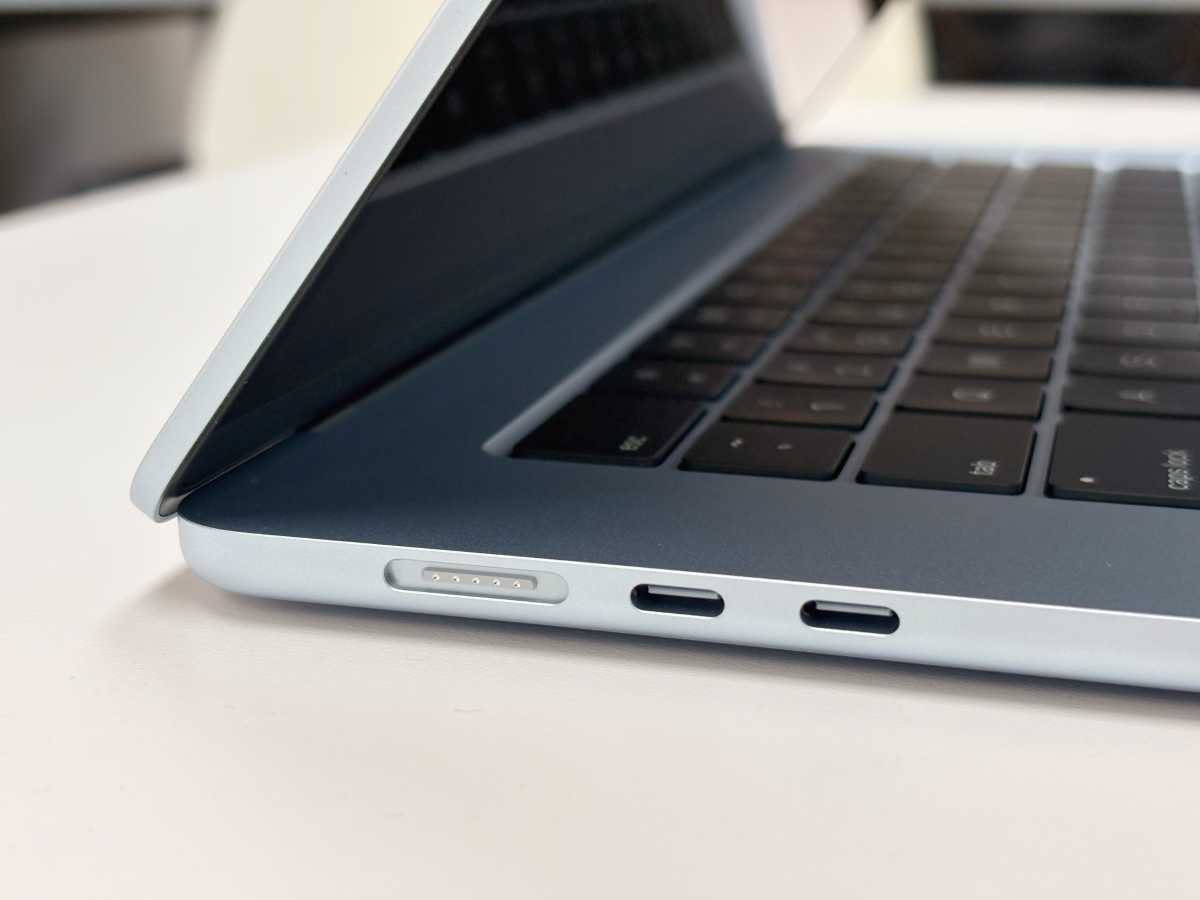
The MacBook Air is a solid machine for $999, but it’s starting to look outdated.
Foundry
Chief among these issues is the display. Compare the Air’s 13-inch LED screen to what you get with the MacBook Pro and the differences are stark. Even if you opt for the larger model, the MacBook Pro offers a much higher resolution: 3024 x 1964 pixels in the 14-inch MacBook Pro compared to 2560 x 1664 pixels in the 13-inch MacBook Air, or 254 pixels per inch (ppi) compared to 225 ppi.
You also get a lot more brightness. While the MacBook Air is stuck at 500 nits in all situations, the MacBook Pro can achieve 1,000 nits outdoors and 1,600 nits for HDR content. This is complemented by the Pro’s use of mini-LED technology, which offers much improved color and contrast.
And finally, there is the refresh rate. The MacBook Pro’s display is equipped with Apple’s ProMotion feature, which dynamically adjusts the refresh rate up to 120Hz, depending on what’s on the screen, allowing for much smoother movements while gaming, watching movies, and scrolling. Like non-Pro iPads, the MacBook Air is locked to 60Hz.
All of this means that the MacBook Air is a categorically budget-friendly choice with a significantly inferior screen to the MacBook Pro, but you do get a concession in the form of price. At $999 compared to the $1,599 of the 14-inch MacBook Pro, the MacBook Air is much more affordable and the trade-offs are understandable.
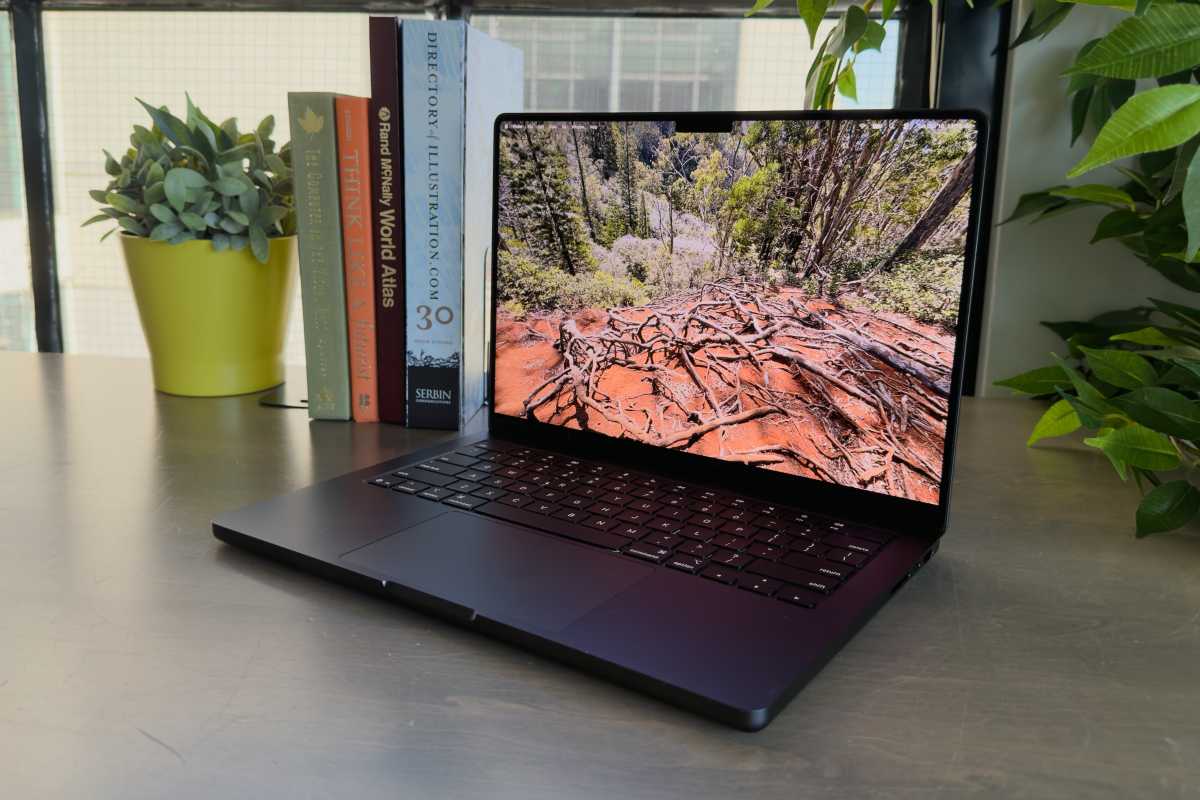
The MacBook Pro M5 could become redundant with the launch of the low-cost MacBook.
Foundry
A breath of fresh air
Once the new MacBook arrives, the MacBook Air will no longer be the budget laptop choice. It starts at $999, while the new MacBook is expected to cost around $699. With such a price difference, the MacBook Air will suddenly become one of Apple’s mid-range Macs.
Since Apple already differentiates its laptops with their displays, Apple could give the MacBook Air some mid-range attention by upgrading the Air with ProMotion. This would make a significant difference in everyday use, as higher refresh rates are instantly noticeable and would give the Air a much-needed upgrade, much like how Apple handled the iPhone 17. And since the MacBook Pro will already be getting an Ultra Retina XDR OLED display later this year, an Air with a ProMotion LED is an upgrade that speeds up the MacBook Air without bringing it too close to the MacBook Pro.
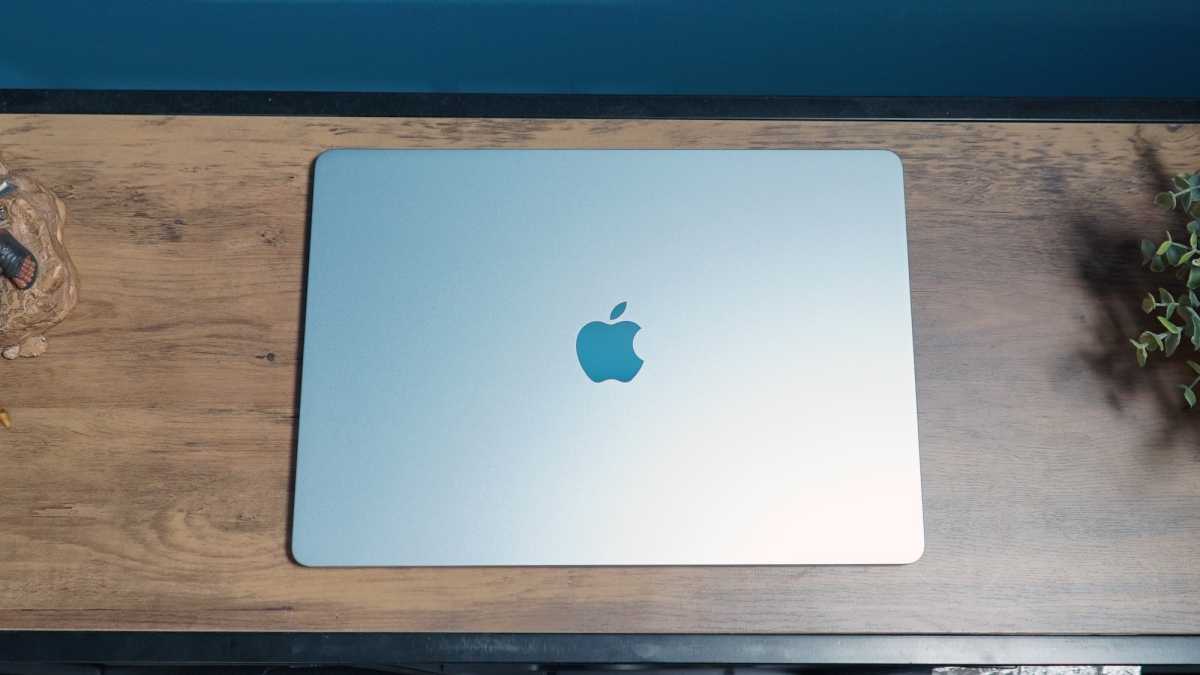
Apple’s new MacBook could impact the entire lineup.
Eugene Wegmann
With this realignment of the MacBook lineup comes another dilemma: What should happen to the entry-level 14-inch MacBook Pro? Right now, this model has an M5 chip similar to the upcoming Air with a Pro display and a few extra ports for $1,599, hundreds of dollars more than even the 15-inch Air. With the introduction of the new MacBook, Apple’s laptop roster will start to look a little bloated, especially if the Air gets ProMotion.
The entry-level Pro is already a discounted machine compared to its Pro and Max-powered siblings, and the change in range will only highlight its flaws. And with rumors of an OLED touchscreen arriving later this year, it’s likely the model will be removed, leaving a much clearer lineup. I also wouldn’t be surprised if Apple overhauled the Air line, possibly eliminating the low-end chip or increasing the entry-level storage to 512GB for higher prices. The programming could therefore look like this:
- MacBook: $699
- 13-inch MacBook Air: $1,099
- 15-inch MacBook Air: $1,299
- 14-inch MacBook Pro: $1,999
- 16-inch MacBook Pro: $2,499
With the high end and low end all but secured, this is an important time for the MacBook Air. It’s started to look a little outdated, with few interesting improvements since its 2022 redesign. Its lower price has helped it become the go-to MacBook for most people, but with the arrival of an even cheaper MacBook, the MacBook Air will have to work even harder to justify its existence.


